MIT researchers develop new low-cost lithium extraction method
Key takeaways
- A research team has found a new method to extract lithium from rock, potentially reducing battery costs if the supply becomes limited.
- Currently, lithium-ion batteries dominate the market thanks to their scale, and the global supply chain is well-developed and efficient, making alternatives less competitive on price.
- This reality has kept spodumene, a lithium-rich mineral found in hard rock, in the spotlight.
Why this matters: local context for readers following news across Pakistan and the region.
Add ARY News on Google AAResize. A research team has found a new method to extract lithium from rock, potentially reducing battery costs if the supply becomes limited. Published in Science, the study focuses on lowering energy consumption and waste during lithium extraction from hard rock ore.
Currently, lithium-ion batteries dominate the market thanks to their scale, and the global supply chain is well-developed and efficient, making alternatives less competitive on price. However, this advantage relies heavily on affordable lithium mainly sourced from South American brine deposits. Although lithium is plentiful, easy-to-access and inexpensive deposits are scarce.
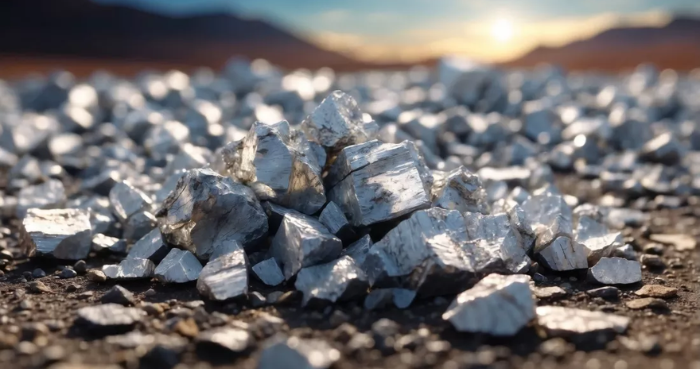
This reality has kept spodumene, a lithium-rich mineral found in hard rock, in the spotlight. It is the most common lithium ore worldwide, but processing it remains costly. The conventional method involves heating the ore to around 1,000°C and treating it with sulfuric acid to extract the lithium, a process that consumes significant energy and produces sulfur waste.