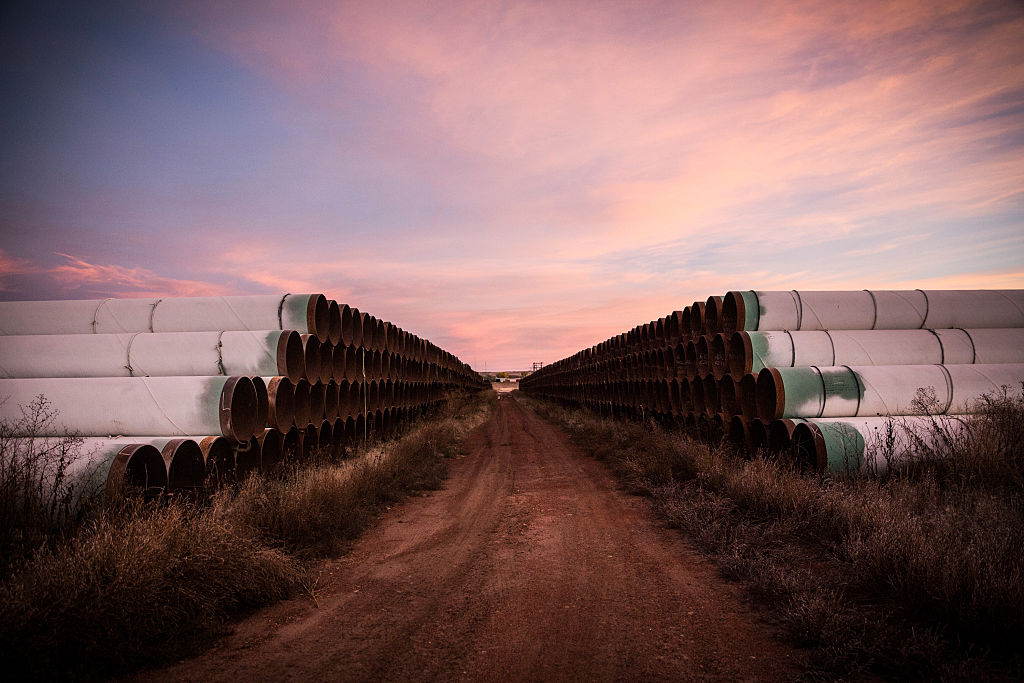
‘Keystone Light’: These Wyoming oil tycoons are reviving the controversial pipeline
Why this matters: environmental and climate reporting with long-term consequences.
On the first day of his presidency back in 2021, Joe Biden revoked a key permit for the Keystone XL pipeline, which would have brought oil from Canada’s tar sands into the U.S. The decision to kill Keystone XL was perhaps Biden’s clearest gift to the environmental movement. But now, five years later, a family of Wyoming oil tycoons is bringing the Keystone concept back from the dead — and the Trump administration is signaling its support. Last week, President Trump signed a presidential permit for the so-called Bridger expansion pipeline, which would likely deliver oil from the carbon-intensive Alberta tar sands to a pipeline hub in central Wyoming, 647 miles away. From there, the oil could move through other pipelines to key refineries as far south as the Gulf of Mexico. “Slightly different than the last administration,” Trump said at the White House last Thursday when he signed the presidential permit. “They wouldn’t sign a pipeline deal, and we have pipelines going up.” The presidential permit gives the project the green light to transport oil across international borders, and it’s only the latest step in what appears to be a fast-tracked timeline for the revived tar sands pipeline. Last month, the federal Bureau of Land Management announced that it would begin conducting an environmental review of the project on an expedited schedule. (The Trump administration has shortened many of the environmental review processes required for pipeline construction.) Bridger Pipeline, the company behind the project, says it wants to begin construction next year and start moving oil in 2028. The pipeline would carry at least 550,000 barrels of crude oil per day. That’s only about two-thirds of what Keystone XL would have carried, but it could expand to a peak capacity even larger than what was originally planned — more than 1 million barrels a day. The similarity between the new pipeline’s path and Keystone’s has led some opponents to call the suc