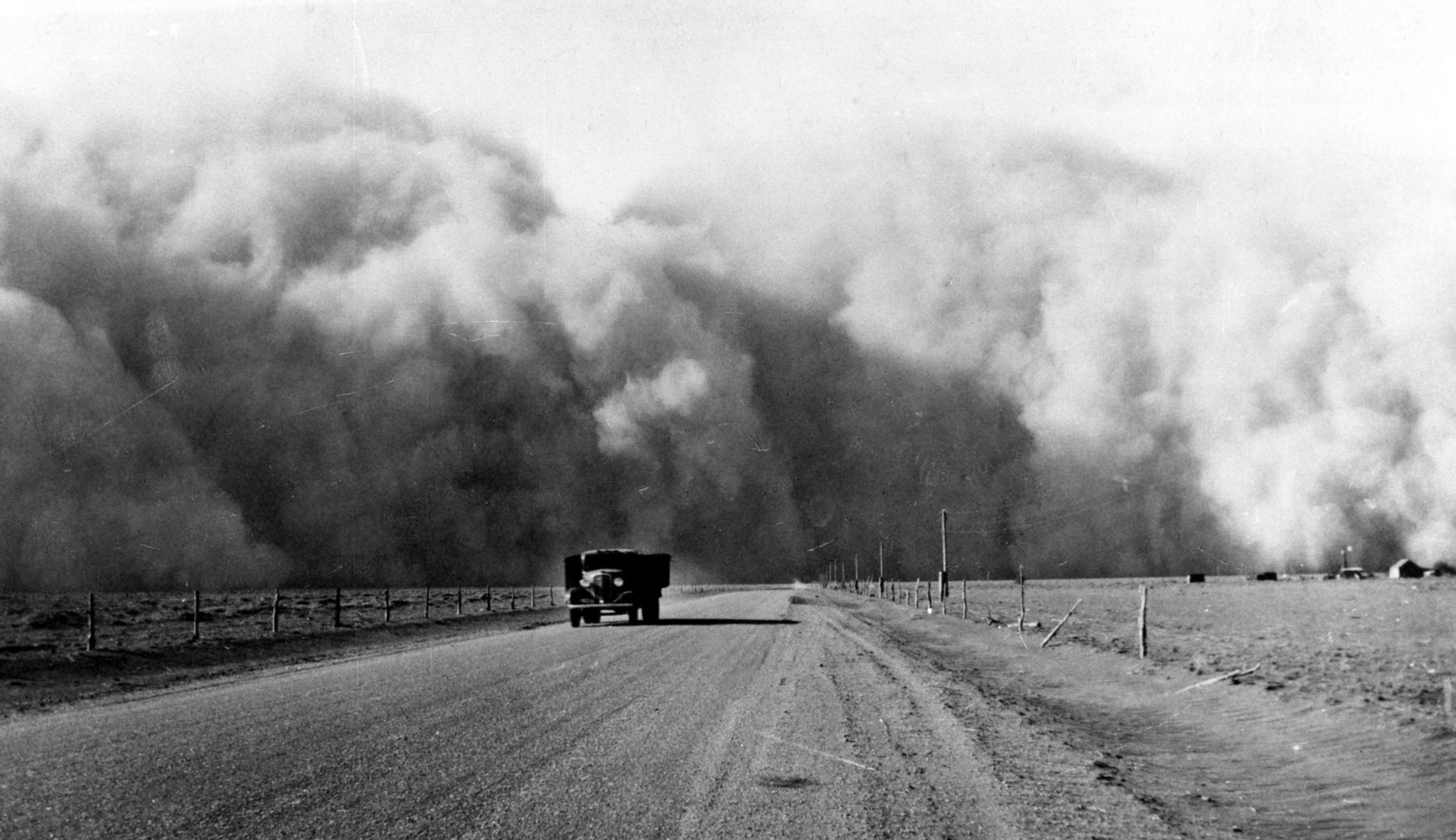
Rural America’s farms are already being crushed by an economic crisis. They now face the risk of a ‘mini-Dust Bowl’ as a rare Super El Niño looms
The U.S. farm economy has been fighting one battle after another in recent years, but a new threat is on the horizon that evokes memories of one of the worst agricultural disasters ever. After the post-COVID inflation spike, farmers had to pay higher input costs, then saw prices for their crops tumble. The Federal Reserve’s aggressive rate-hiking campaign to tame inflation burdened farms with more onerous financing terms. President Donald Trump’s trade war last year hiked tariffs on key metals that raised prices for tractors, combines, harvesters, and parts. China’s retaliation resulted in a virtual boycott on American soybeans, and exports collapsed to just $3 billion in 2025 from a peak of nearly $18 billion in 2022. The U.S. and China called a ceasefire on their trade war, but soybean growers are expected mark their fourth straight money-losing year in 2026. Then Trump’s war on Iran this year sent diesel and fertilizer costs soaring. And while the U.S. and Iran have stopping fighting, energy markets aren’t expected to return to normal for months, and fertilizer prices are expected to remain higher than usual into spring 2027. Meanwhile, farm bankruptcies are soaring. On top of all that, weather forecasters see a rare “Super El Niño” forming that could devastate the farm economy even more. AccuWeather warned on Friday that conditions are in place for a multi-year drought that could threaten crop yields and the water supply. Previous Super El Niño instances resulted dry conditions in the Plains states for two to threes years afterward, it added. “If the long-term drought is as bad as it could be, and you are starting off already with severe drought, this raises the real possibility of a ‘mini-Dust Bowl,'” AccuWeather founder and Executive Chair Joel Myers said in a statement. “Soybeans will be stressed further in the months and years ahead, and yields on some of these crops will be reduced in parts o