A ‘proudly autistic’ workplace expert says putting neurodivergent employees in a typical office is like dropping a polar bear in Austin, Texas
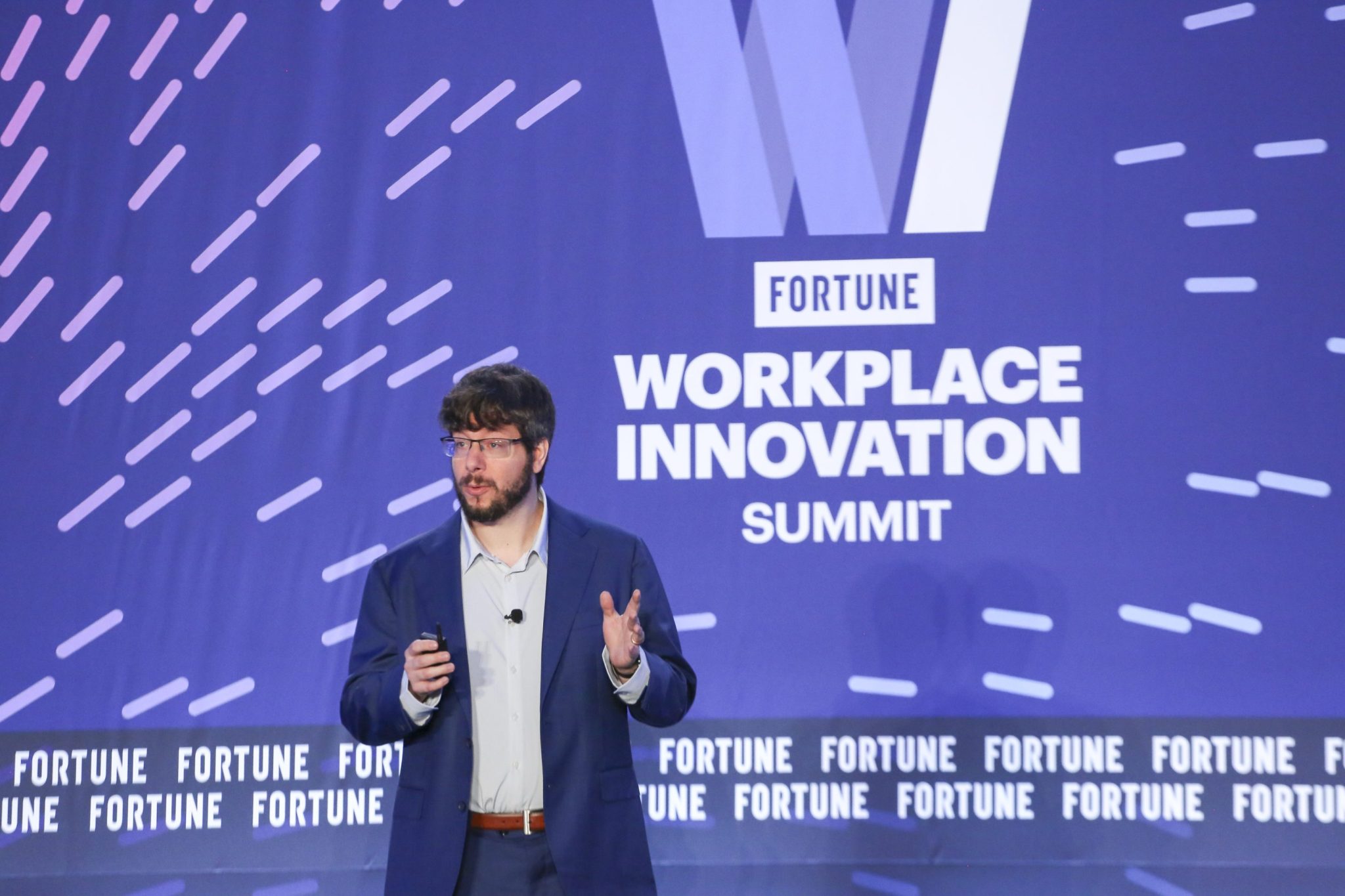
Daniel Wendler knows what it feels like to be a polar bear in the wrong climate. A “proudly autistic” clinical psychologist, author, and workplace advocate, Wendler has spent his career arguing that most companies aren’t failing their neurodivergent employees out of malice — they’re doing it by default. “Because most people are neurotypical, organizations are designed according to neurotypical needs, which means that people with neurodivergent needs get left out,” Wendler said May 20 at Fortune’s Workplace Innovation Summit. His go-to illustration: imagine taking a polar bear — an apex predator, unrivaled on Arctic ice — and dropping it in Austin, Texas. The animal doesn’t suddenly become less capable. It’s just been placed in an environment that wasn’t built for it. Neurodivergent workers, he argues, are that polar bear every time they walk into a standard open-plan office. “This is the exact same principle that explains how we can unlock the talent of the neurodivergent team members within our organization,” he said. The stakes are significant. Around 20% of U.S. adults identify as neurodivergent — a category that includes people on the autism spectrum, those with ADHD, dyslexia, and a range of other conditions. Yet a 2025 EY survey of more than 2,100 workers found that only 25% of neurodivergent employees feel included at work — and 39% said they planned to leave their jobs within the year. The same report found that 18% of neurodivergent respondents qualified as “suppressed talents”: highly skilled workers unable to perform at their potential because of structural workplace mismatches, not personal shortcomings. A 2023 Accenture report found companies leading on disability inclusion saw revenues and profits grow faster than peers, and were 25% more likely to outperform on productivity metrics. Wendler says the fix doesn’t require reinventing the workplace from scratch. Universal design — accommodations first