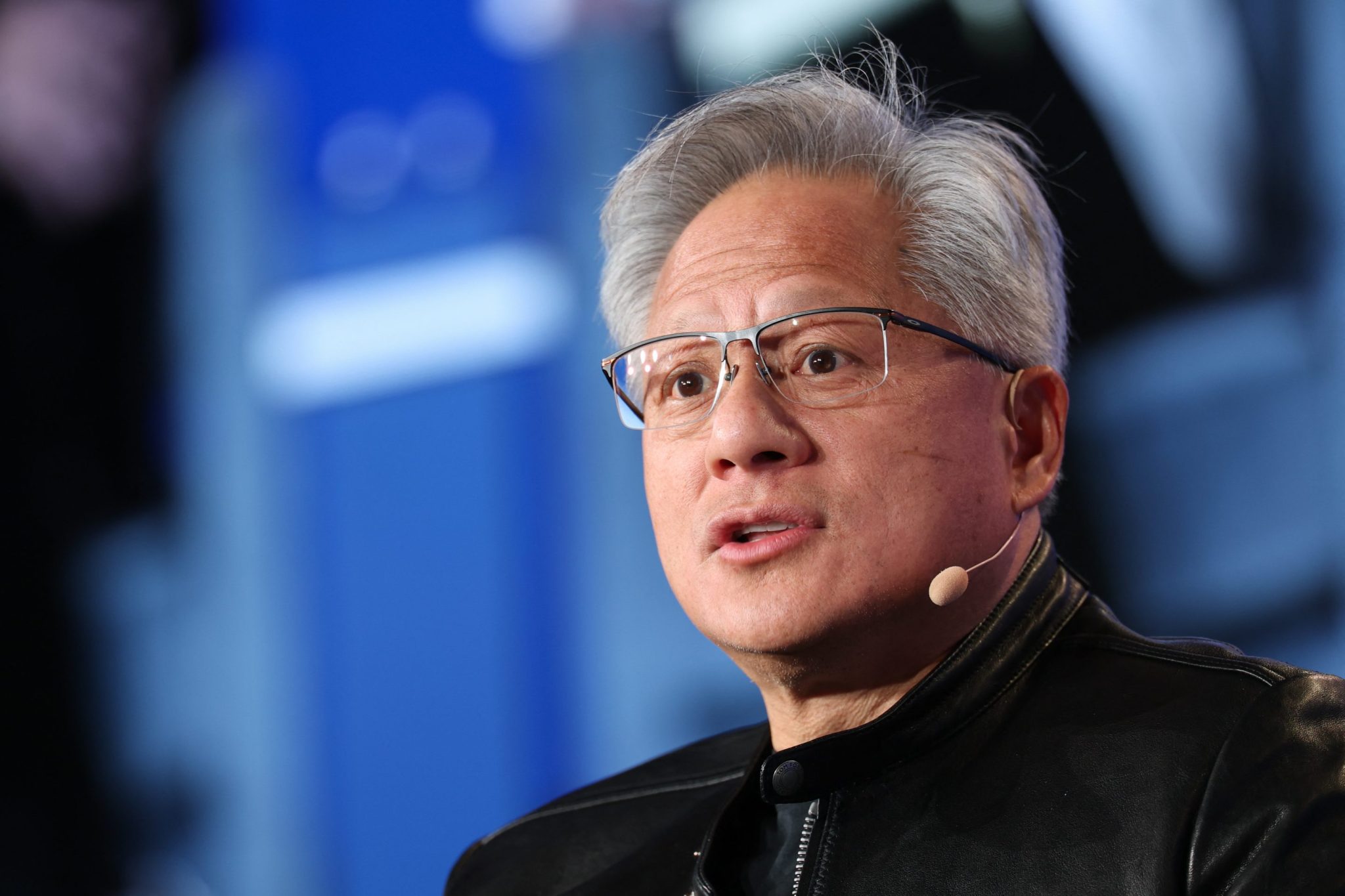
Jensen Huang’s message to electricians and plumbers: ‘This is your time,’ as AI buildout leads to soaring demand for skilled trades
In the artificial intelligence age, industry leaders say the most in-demand and potentially lucrative professions might not be the roles building AI models themselves, but rather the sorely lacking manual labor needed to supply the technology’s massive infrastructure needs. That’s the endorsement of Nvidia CEO Jensen Huang. Addressing Carnegie Mellon University’s class of 2026 during a commencement speech on Sunday, Huang described an AI-era jobs market that extends far beyond the confines of software and engineering degrees.“AI gives America the opportunity to build again. Electricians, plumbers, iron workers, technicians, builders—this is your time,” Huang said. “AI is not just creating a new computing industry, it is creating a new industrial era.” The investment in the physical side of the AI boom is, indeed, enormous. Capital expenditure from the country’s largest tech firms could add up to some $700 billion this year, largely driven by commitments to build the data centers and other infrastructure required to train, deploy, and maintain AI models. Globally, the data center boom could generate almost $7 trillion in investment by the end of the decade if companies can keep up with the demand, according to a McKinsey report published last year. While white collar jobs, particularly those highly exposed to AI, seem more precarious by the day, AI’s infrastructure needs to have Huang and others pointing to the roles traditionally considered blue collar as perhaps the wise choice for new grads. Some data suggests Huang might be on to something. A March analysis of several million job postings by staffing firm Randstad found demand for skilled trades has soared 27% over the past three years. The need for construction workers is up 30%, welders 25%, and electricians 18%, according to the report. At the same time, companies aren’t able to hire enough young workers to keep up with their needs and to replace the millions of older trades people now entering retirement, a r