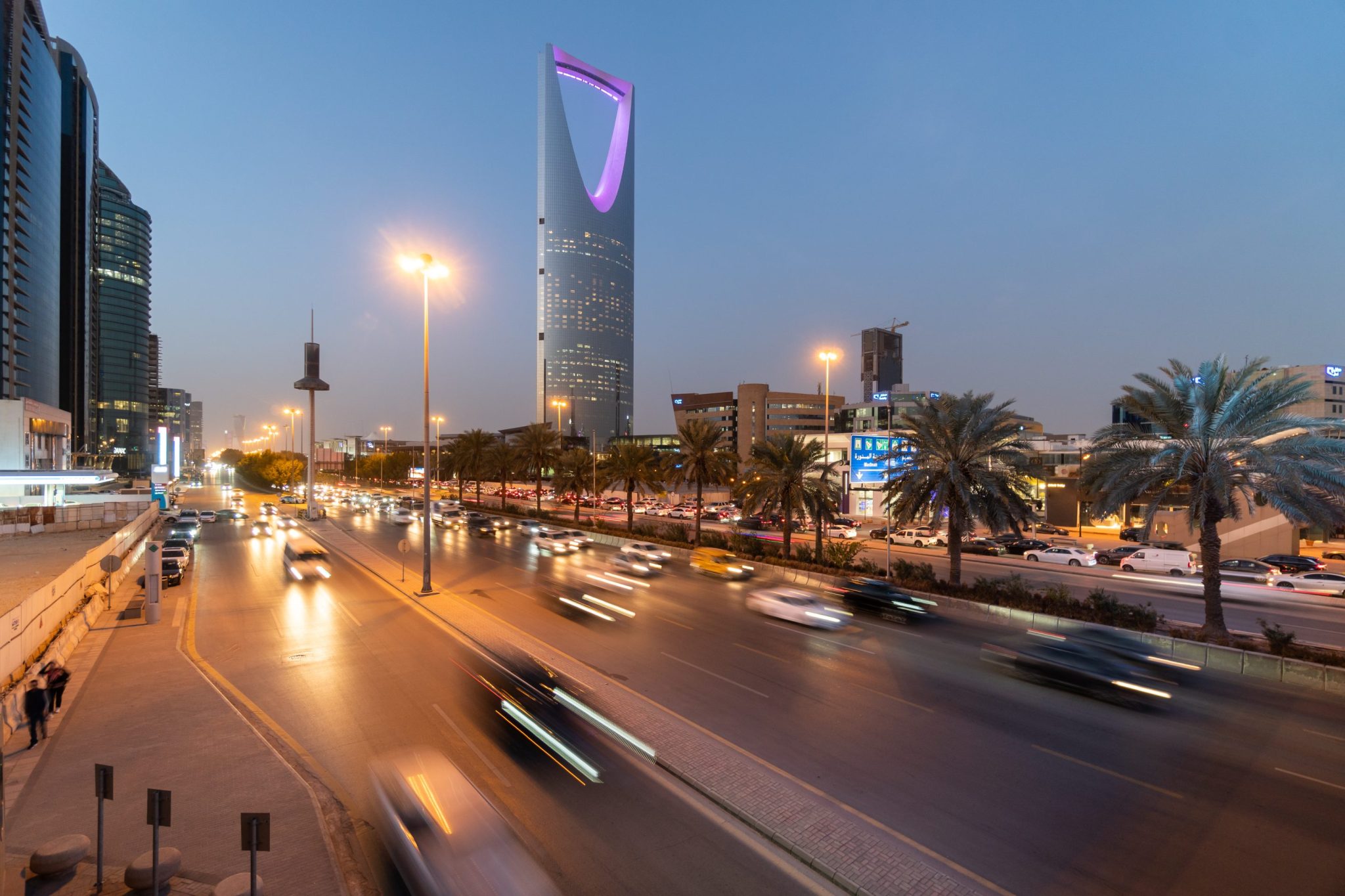
Saudi economy redraws ambitions—‘going local’ is the new buzz phrase
The IMF’s decision last week to revise Saudi’s GDP for this year down to 2% from its 3.1% forecast in April was probably inevitable given the widespread retrenchment currently underway in the kingdom. Last week, it emerged that the Public Investment Fund (PIF), the engine behind Saudi Vision 2030, was replacing foreign CEOs with local hires as part of its strategy to tighten spending and shift its focus towards domestic projects. The Financial Times, citing an adviser to the Saudi government, reported that the changes came after the fund conducted a review of all its portfolio companies, including how they will reallocate spending in the coming years. It follows on from the release in April of PIF’s new 2026-2030 strategy which it said “marks a natural evolution as PIF moves from a period of rapid growth and acceleration to a new phase of sustained value creation”. Earlier this week, Semafor reported that Neom’s budget for 2026 to 2030 includes 60 billion riyals ($16 billion) in anticipated payments to contractors to terminate long-term agreements. That means, for a time, the Saudi government will spend more money on cancelling parts of the futuristic desert city gigaproject than it will spend building them. Dismissed by some as “mega-gimmicks”, many of Saudi’s most high-profile projects—including core elements of Neom—have already been watered down, frozen or cancelled. The scaling down of the Neom project came after a strategic review which has led to layoffs and a corporate restructuring. The retrenchment of Saudi’s giga projects has been driven primarily by fiscal pressures. Riyadh projects a deficit of roughly $44 billion for 2026, following significant shortfalls in 2025. Speaking to reporters as part of a briefing in Riyadh at the end of last year, Finance Minister Mohammed Al-Jadaan said: “We have no ego—absolutely no ego,” adding that the kingdom is willing to defer or cancel projects within its Vision 2030 program “without blinking” if they no longer make