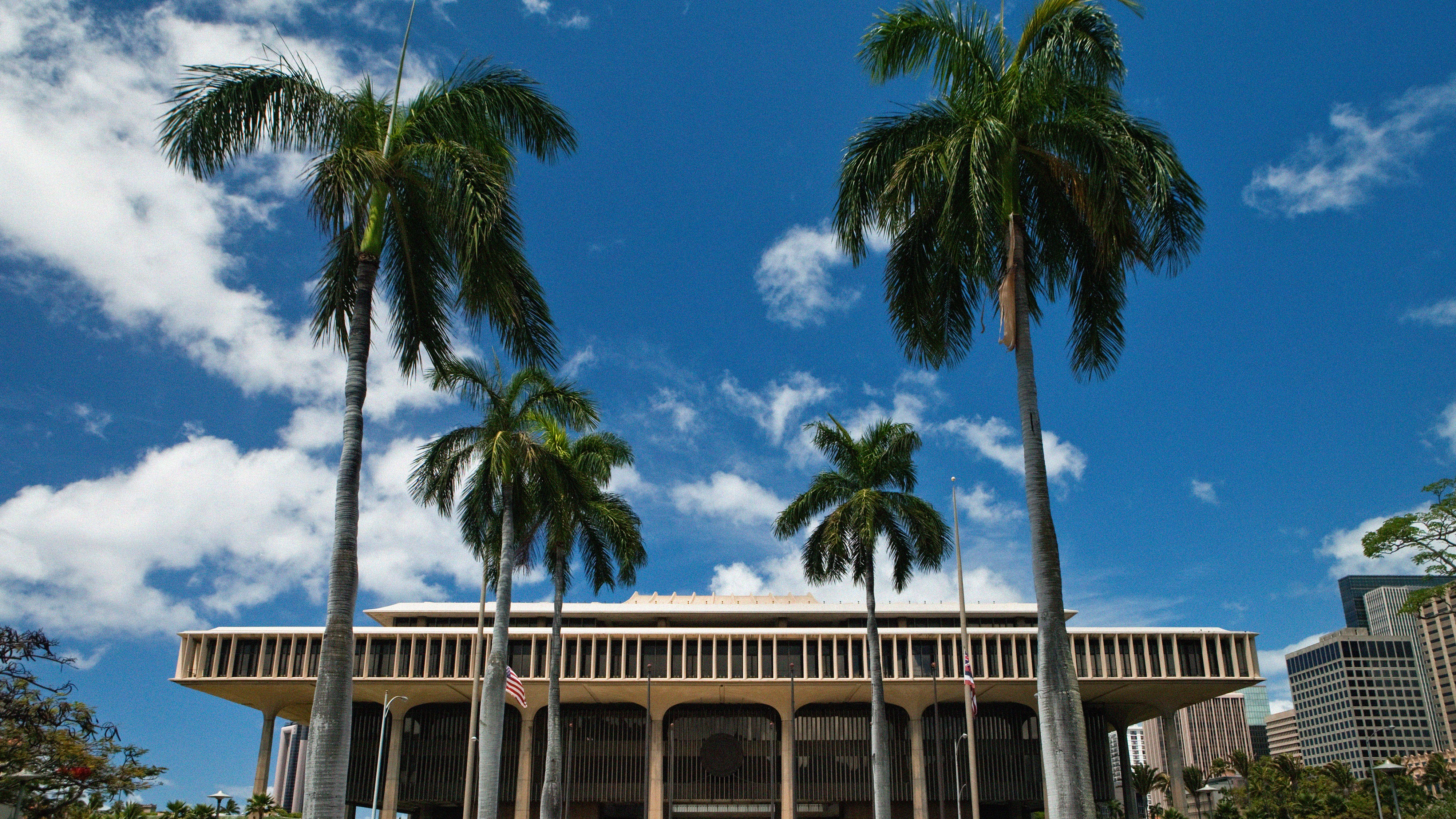
Hawaii vs. Citizens United
Fifteen years after Mitt Romney stood on an Iowa hay bale and proclaimed that “corporations are people, my friend,” his declaration is no longer mockable. The amount of money corporations spend anonymously to sway federal elections has increased from $359 million in 2012 to $1.4 billion in the most recent presidential cycle. All of that spending by “dark money” nonprofits is protected by the same right to free speech enjoyed by “natural persons,” because the Supreme Court decided in Citizens United v. FEC that U.S. corporations function as citizen associations under the Constitution.But not all of these “people” are created exactly equal. Whereas humans are automatically granted certain rights at birth, corporate personhood comes into existence under state laws that define its powers—a fact that opponents of corporate money in politics hope to use to transform how U.S. elections are funded. Hawaii is the first state to try. Earlier this month, a nearly unanimous and bipartisan majority—well, as bipartisan as it gets in a state with so few Republicans—of Hawaii’s state legislature voted to change the powers of corporations doing business in the state and no longer grant them the ability to spend on most political causes.“Corporations are not people. They are granted powers and privileges by the state,” State Senator Jarrett Keohokalole told me this week, explaining the rationale of the bill he sponsored. “How can a creation of the state have inalienable rights? It doesn’t make any sense.”The legislation—which Hawaii Governor Josh Green, a Democrat, has not yet signed—is expected to apply to for-profit companies, so-called dark-money nonprofits, unions, and chambers of commerce, potentially cutting off a major revenue stream for the super PACs that dominate politics. The legislation makes exceptions for journalistic work—as in, newspaper editorials explicitly advocating for certain candidates—and company-organized political-action committees that pool individual donat