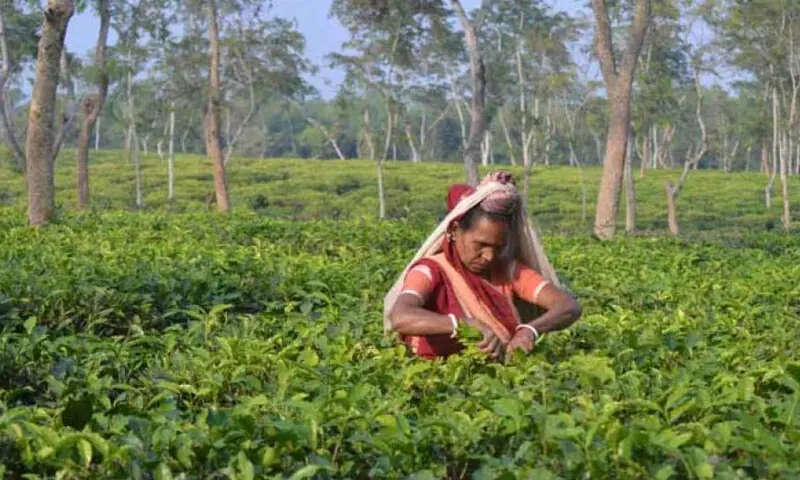
A century of unbroken chains in Sylhet tea gardens
Why this matters: local context for readers following news across Pakistan and the region.
ON the morning of May 20, 1921, approximately 30,000 tea workers left everything behind. Chanting Mulluke Cholo — “Let’s go to our homeland” — they left the tea gardens of Sylhet and began walking towards Meghna ghat in Chandpur, hoping to return to Bihar, Odisha, Assam, and the other lands from which they had been brought under false promises of a better life. They never made it. At the ghat, the British colonial police opened fire. Bodies fell and were thrown into the river. The survivors fled, or were captured and tortured. The rest, with nowhere else to go, returned to the gardens. In his book, Plantation Labour in India (1931), Rajanikanta Das wrote that “kicking, punching, and various forms of physical torture by European officers against coolies frequently created situations of conflict in the tea gardens. In 1891 alone, 106 incidents of riots and clashes took place in the tea plantations of Assam.” Such resistance continued for years and eventually exploded into the major movement of 1921. Tea workers wanted to return to their homelands, and the spark spread across plantations in the two valleys. One of the immediate causes behind the uprising was the reduction of workers’ wages. The workers from Assam travelled through Sylhet towards the Meghna river port in Chandpur. Along the way, tea workers from various plantations in Sylhet joined them. Their plan was to board steamers from the Meghna ghat to Goalanda and then continue by train to their respective birthplaces. However, on May 20, the workers eager to return home faced a horrific tragedy. As they marched towards Chandpur, under the rallying cry of Mulluke Cholo, Gurkha soldiers stationed by the colonial authorities fell upon them without mercy. Many were killed; for countless others, the dream of returning home died at that ghat. Trapped, they were absorbed permanently into the tea gardens of this region as bound labourers. That blood-soaked day has since become a symbol of broken dreams and defiant