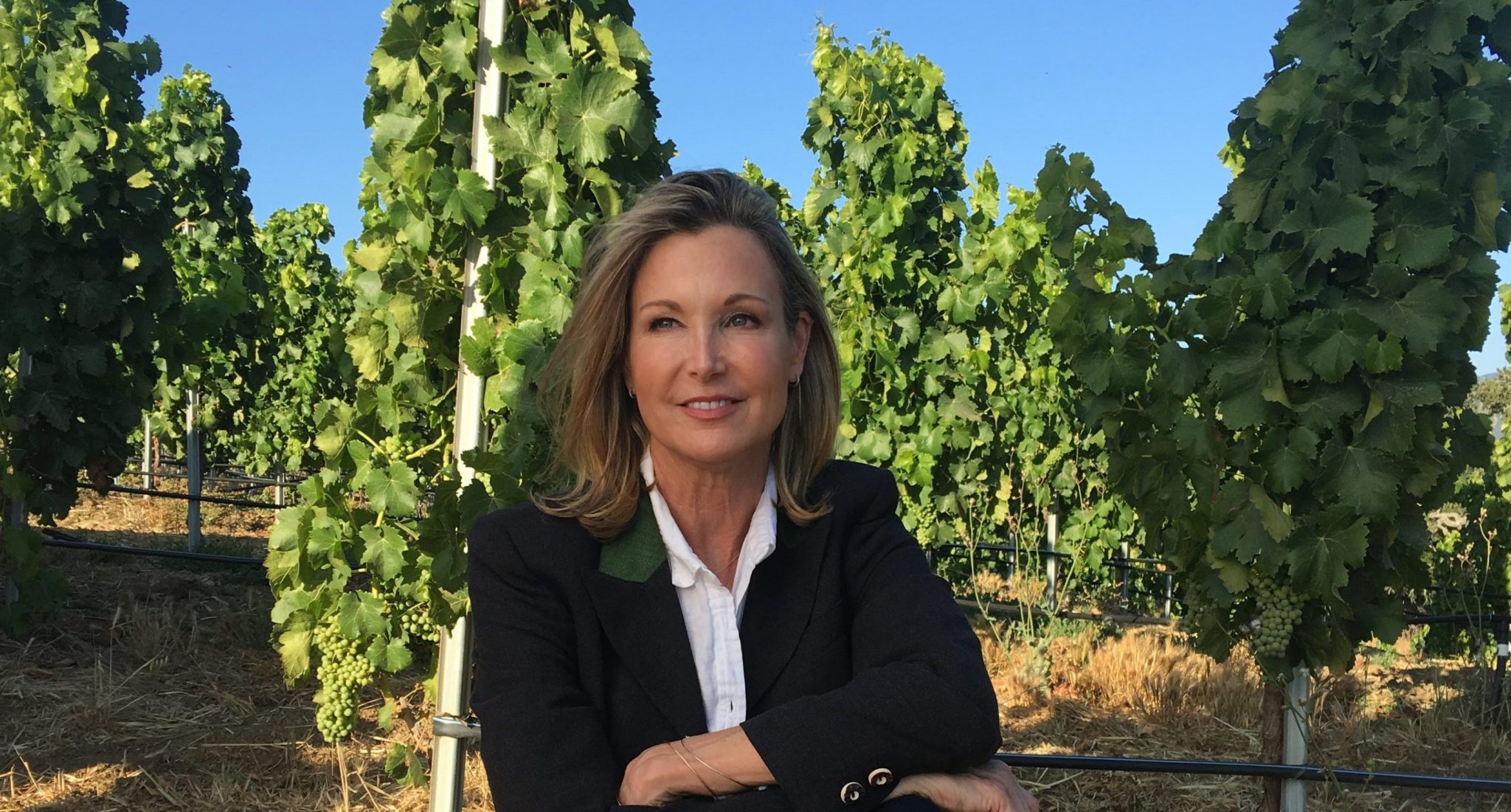
Most cancer philanthropy funds research. This winery cofounder is paying for the caregivers and chair lifts families can’t afford
When Kim Busch sat in medical center waiting rooms with her husband, Andy, she couldn’t help but notice the forlorn faces of other patients who couldn’t afford to have their families there with them. The Busches knew they were fortunate. They lived close enough to drive to treatment for Andy’s glioblastoma, an aggressive malignant brain tumor; they could book a hotel for an early scan; and they could hire a driver when Andy’s seizures meant he could no longer get behind the wheel himself. Around them, they saw people for whom none of that was possible. Affording these hidden care costs was possible for the Busches due to the success of their vineyard, Folded Hills, and, in part, their family name. (They’re connected to the Busch family of Anhauser-Busch, the world’s largest brewing company). “We’ve always known how blessed we are,” Kim told Fortune in an exclusive interview. “We have resources that others don’t.” That contrast between what the Busches could afford and what they watched other families go without became the seed of Grapes for Glioblastoma, the nonprofit Busch launched through Folded Hills, the Santa Ynez Valley, Calif., winery she co-founded with Andy. She chose to fund something most cancer giving overlooks: the everyday costs of living with brain cancer. Glioblastoma is the most common and most aggressive primary brain tumor in adults, with a median survival of roughly 12 to 16 months even with treatment and a five-year survival rate below 10%. Andy was diagnosed in August 2023 after a sudden seizure. The tumor, lodged deep in his temporal lobe, was inoperable. More than two and a half years later, he is defying the odds. “I don’t think Andy would be alive without research,” Busch said, crediting the science that has kept her husband going. But giving strictly to research wasn’t a major focus for her. “What gave me this idea wasn’t ‘I wa