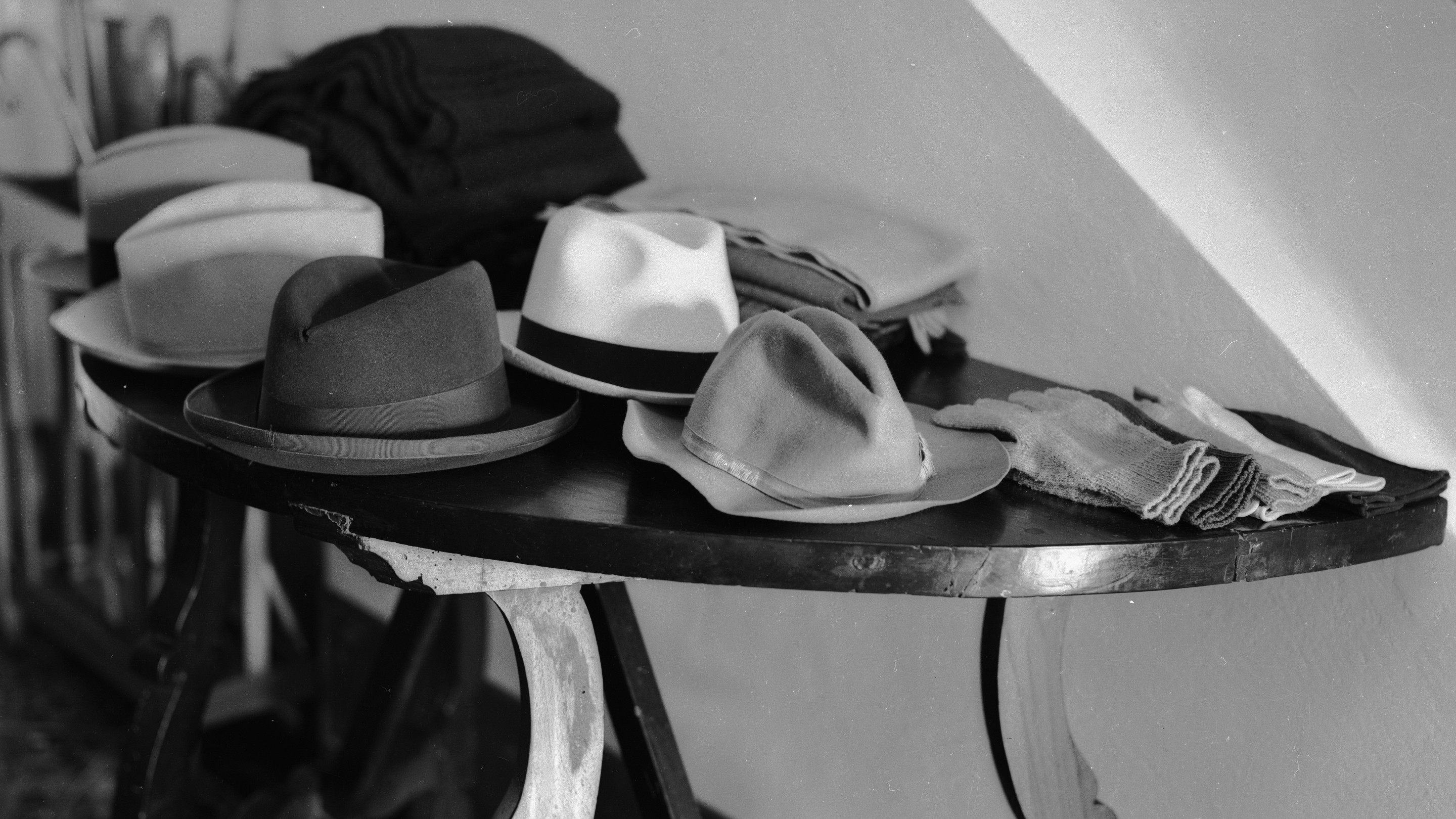
The Work That Goes Into ‘Effortless’ Style
Twice a year, every January and June, certain corners of the internet populate with photographs of extravagantly dressed men on the streets of Florence. These are the peacocks of Pitti Uomo, a Tuscan menswear trade show, flashing their plumage: fabrics in textures found nowhere in nature, jacket lapels large enough to verge on parody, ties knotted so elaborately that they would dazzle a longshoreman. Their displays are sometimes held up as examples of sprezzatura, a kind of nonchalant disregard for the rules of fashion. This belief underwrites the common myth that true style is effortless, a form of expression that arises from indifference rather than care.And yet, more likely than not, any man attending Pitti Uomo has spent the past six months planning exactly what he was going to wear on any given day of the show—the belt that would hang too long, the patterns that would clash just so. The attendees are stylish, to be sure, but they also demonstrate that style is entirely compatible with effort—not so much an outpouring of the self as a result of the work that inevitably goes into producing that self.I thought about this distinction often while reading Andrew Sean Greer’s witty and, yes, stylish new novel, Villa Coco, much of which takes place in the countryside surrounding Florence, a wilderness populated as much by eccentric expats as by rampaging wild boar and trundling porcupines. Greer, whose novel Less was awarded the 2018 Pulitzer Prize for Fiction, here tells the story of a young man, our narrator, who travels to Italy in the early 1990s. He’s been hired by an elderly but vivacious baronessa to catalog the contents of her home for opaque reasons. The archivist arrives in Italy as stuffy as a nose in November, unflatteringly calling himself “a cable-knit sweater over a cable-knit heart,” in Greer’s characteristically evocative phrasing. As he gradually learns, properly becoming yourself in many cases begins with the emulation of others—those who know, for i