The real hurdle to enterprise AI isn’t fixing productivity KPIs. It’s ‘unlearning’ old habits, experts say
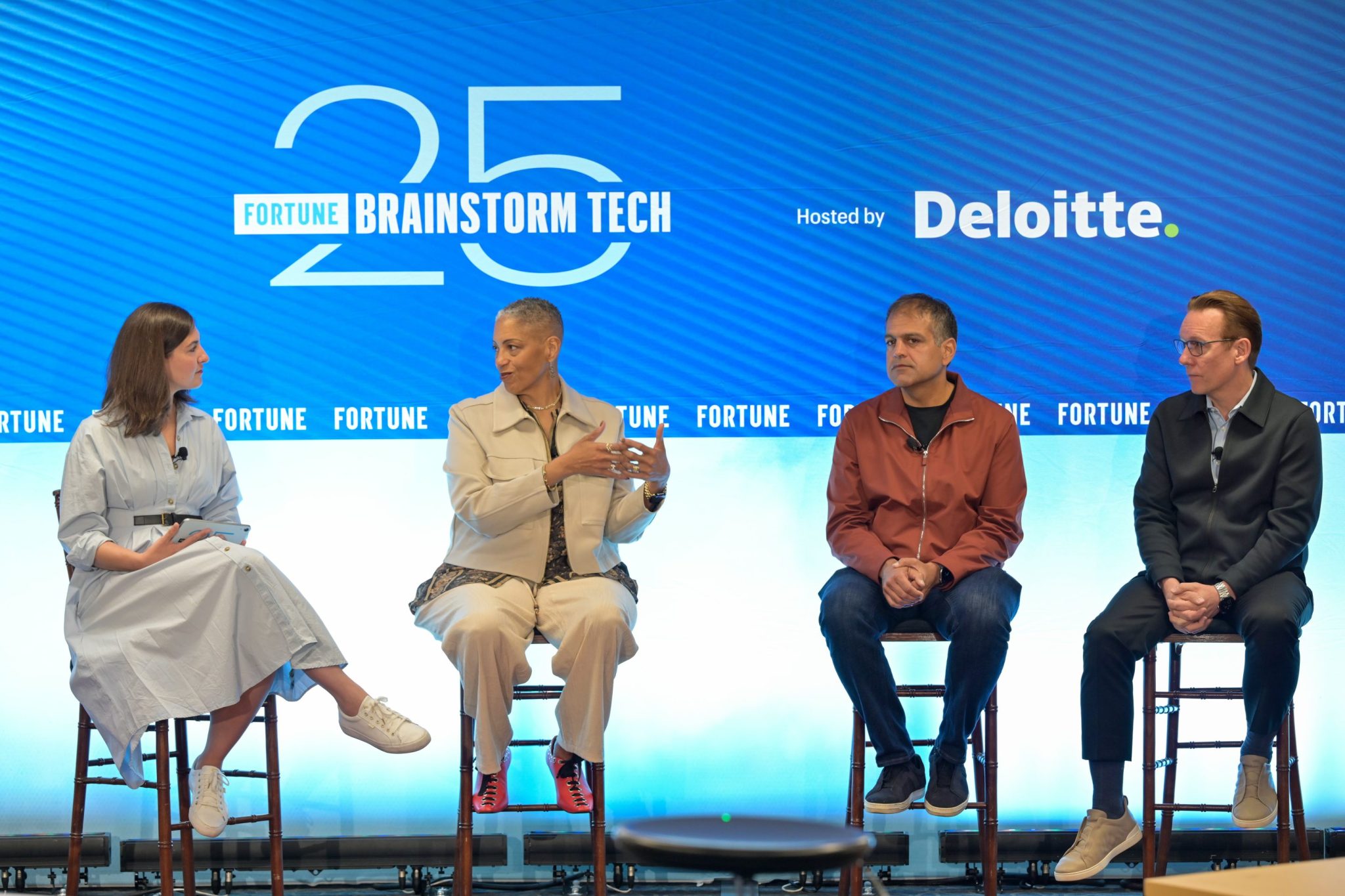
When Amazon recently dismantled an internal AI leaderboard, it exposed a broader issue in corporate America’s AI rollout. The leaderboard tracked so-called tokenmaxxing, a trendy corporate phenomenon where employees maximize their consumption of AI processing power to prove they are utilizing the technology. But employees were gaming the system to inflate their productivity scores. It was a prime example of a deeper problem: Companies are treating AI as a game of administrative speed rather than business transformation. Speaking this week at Fortune Brainstorm Tech in Aspen, Colorado, a panel of industry experts argued that the future of work cannot merely be about layering expensive tools onto outdated processes. Instead, they said, enterprises must fundamentally rewire how their employees operate. “The level of investment in the technology versus the human is woefully lopsided,” said China Widener, Deloitte’s vice chair of technology, media, and telecommunications. “For every dollar spent, only about seven cents is going to humans, and 93 cents is going to the technology.” This imbalance explains why AI’s financial rewards so far remain concentrated at the companies with the most resources. Chris Bedi, chief customer officer and enterprise AI advisor at ServiceNow, said that roughly 90% of enterprise AI use cases focus strictly on internal productivity and cost management rather than driving top-line growth. Because most companies are playing defense, they are being left behind. A recent PwC study revealed that just 20% of companies are capturing nearly three-quarters of AI’s total economic value. To break this cycle, Bedi urged leaders to move away from shallow “KPI conversations” that track minutes and hours saved, and focus instead on true organizational key results. Phil Wiser, former EVP and CTO at Paramount, suggested a structural fix: creating a centralized, “forward-deployed” engineering team that embeds within var