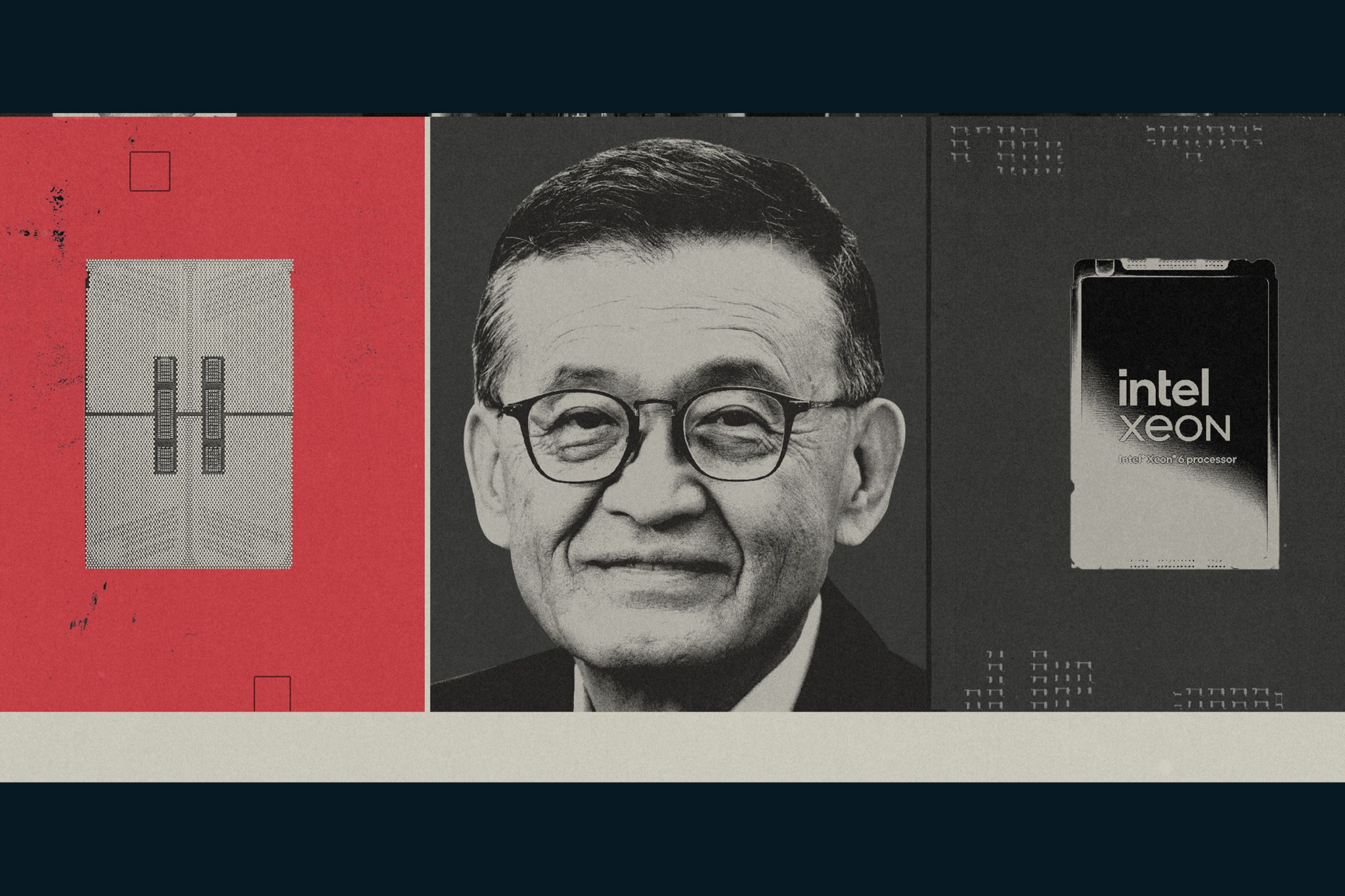
Intel’s new CEO cut management layers in half. The stock is up nearly 500%
In the run-up to the i Phone’s launch in 2007, Apple cofounder Steve Jobs made a fateful decision: Apple would not turn to its partner Intel to make chips for the device, on the grounds that the firm was “really slow…like a steamship,” as Jobs put it. Apple would rely on up-and-comer ARM instead. Jobs’ decision helped set off a two-decade decline for an iconic Silicon Valley brand. The company was once so celebrated for its chipmaking innovations that hardware makers clamored to attach “Intel inside” stickers to their devices. But Intel went on to miss not only the mobile revolution, but the AI era, as competitors stole its market share. By early last year, it was unclear if Intel could remain a going concern. But then something remarkable happened. The company brought on CEO Lip-Bu Tan and, in barely a year, became one of the hottest stocks on the market. The story of Intel’s ongoing turnaround could become the rebound story of the decade—one featuring bold leadership, tough decisions, and no small amount of luck. When Tan took the helm in March 2025, the longtime semiconductor veteran became Intel’s third CEO in six years, and the sixth since legendary cofounder Andy Grove relinquished the post in 1998. By Tan’s arrival, Intel had become defined less by its chips than by the $50 billion in debt it carried. “There was a large recognition that we needed to right the balance sheet,” says CFO David Zinsner, “but not a lot of clarity on how we were going to do that.” In response, Intel set about selling off noncore parts of the business and raising capital from what Zinsner describes as Tan’s “incredible network.” Soon, Intel had tapped billion-dollar investments from Nvidia and SoftBank; it also grabbed headlines when Tan agreed to let the Trump administration convert a scheduled $8.9 billion grant into an equity stake for the federal government. “The SoftBank endorsem