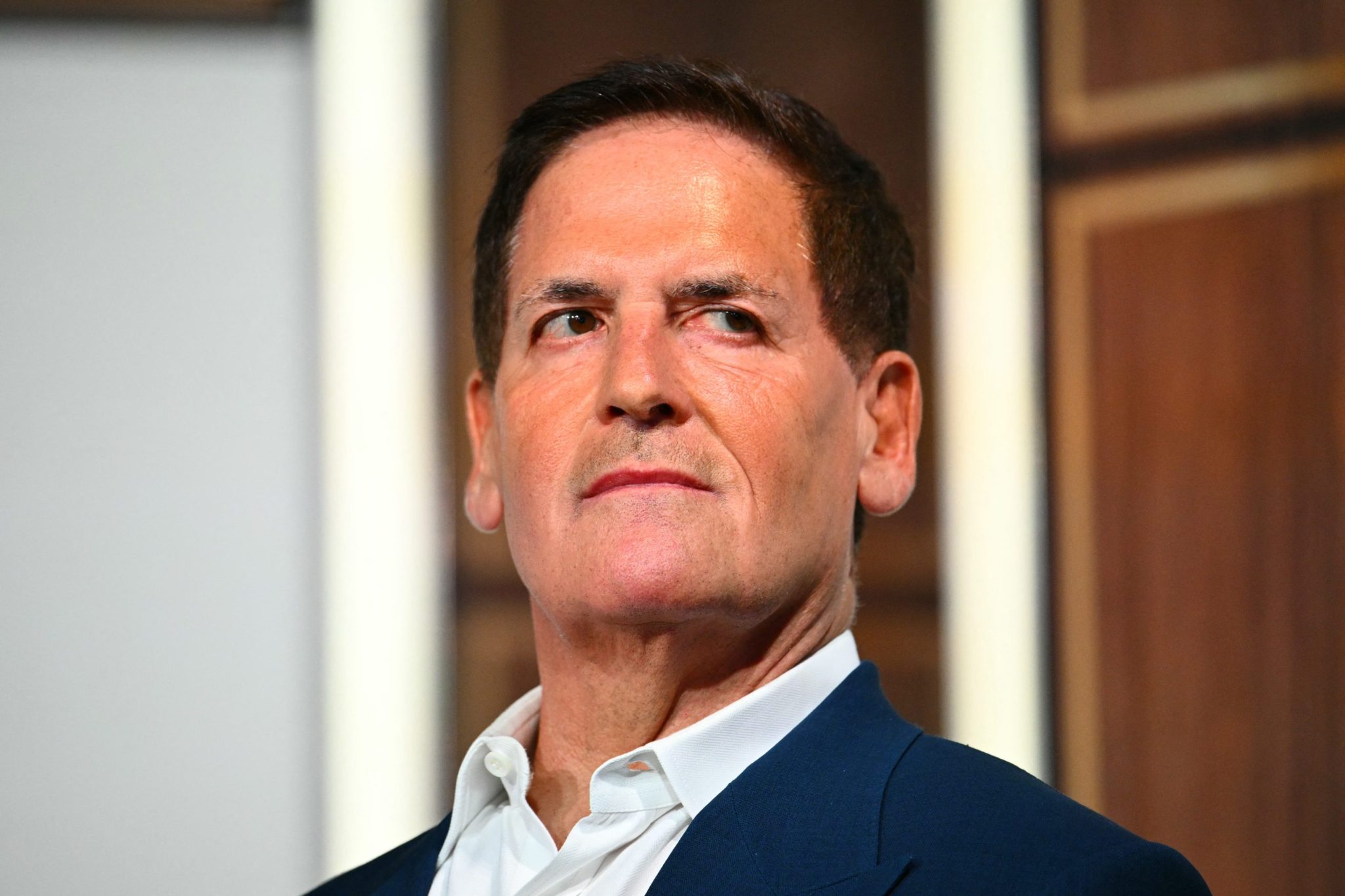
Everyone agrees that you hate AI, but only Mark Cuban sees why Silicon Valley is powerless to fix it
On Thursday afternoon, Mark Cuban posted what amounted to an unsolicited intervention for the AI industry. “It’s time for everyone to realize that the fight against data centers has nothing to do with data centers,” the billionaire investor wrote on X, in a post that drew more than 700,000 views within hours. “They have become a proxy for the hate towards AI and the concentration and accumulation of wealth it’s creating.” By the time Cuban hit send, two economists had already made the same argument—in more rigorous, and in some ways more damning, terms. In a guest essay published Thursday in The New York Times, venture capitalist and MIT fellow Paul Kedrosky argued that American AI pessimism isn’t cultural, isn’t driven by misinformation, and isn’t the reflexive technophobia the industry likes to blame. It correlates instead with one specific variable: labor market institutions. And in a piece published the same morning on his Substack, Nobel laureate and former Times (and Fortune) columnist Paul Krugman assembled a multipart indictment of the industry itself, concluding that the backlash is not “normal skepticism about change. This intense backlash is special.” The very same day, in its Top of Mind report, Goldman Sachs economist Joseph Briggs estimated that up to 9% of the American labor force—roughly 15 million workers—could be displaced during the decadelong AI transition, concentrated in the cognitive, routine white-collar jobs that define the American middle class. He quickly added that he believes the transition will be temporary and AI will create many more new jobs than it destroys over the long term. Still, 15 million is a lot of people. Three voices. One day. One verdict. The AI industry has a massive perception problem, and it’s not fixable with better messaging. Krugman: They told us it was coming The first thing to understand about the backlash, Krugman argues, is that the industry