The U.S. campaigned to host the World Cup. Now soccer fans will trade their countries’ train system for the U.S.’s ‘D’ rated infrastructure
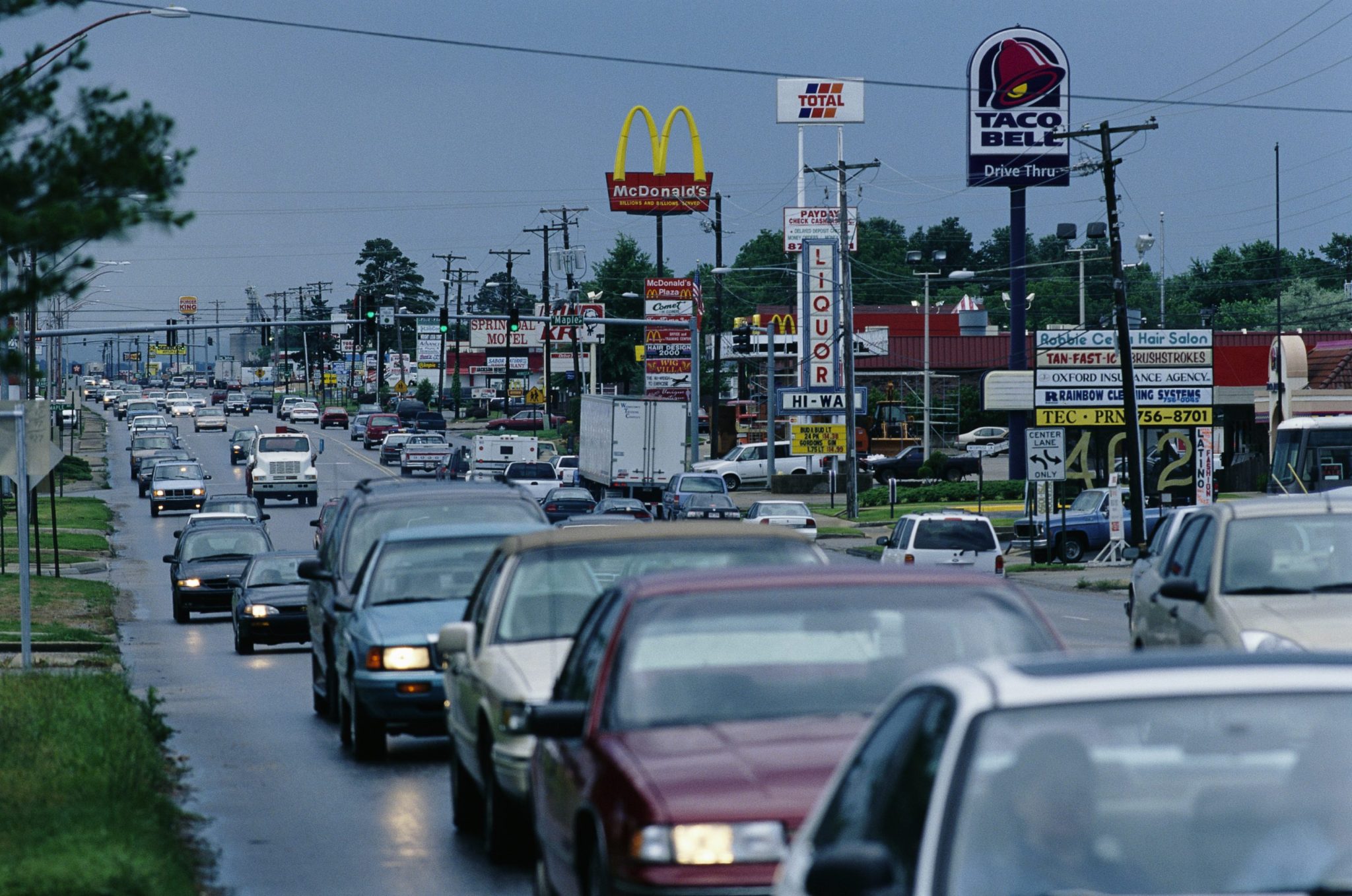
The hit 1999 HBO show The Sopranos is still heralded today for it’s great storytelling, depicting immigrants and their American-born children and what the American Dream actually looked like once you strip away that mythology. Show-runner David Chase won multiple Emmys for the series, but it might be the small, blink-and-you’ll-miss-it moments that people resonate most with today. Ahead of the 2026 World Cup—originally billed as a celebration of the U.S. in addition to Mexico and Canada—these moments become all the more prophetic. Soccer fans from all over the world will descend upon the U.S., and it’s none other than the show’s commentary on the state of American infrastructure that takes centerstage. The memes are almost everywhere: one of the straight-from-Italy Furio disgusted while looking out of a cab window at the standard American road, complete with fast food chains and struggling shoe stores and nail salons that make up America’s strip malls. Perhaps you’ve seen another Sopranos meme, of the show’s namesake similarly sitting in a car that picked him up at Newark Airport, somberly looking out onto the fuel and wastewater treatment facilities that dot the New Jersey Turnpike; a scene juxtaposed earlier with his family’s idyllic trip in Italy. Tony Soprano’s America, rendered in all its asphalt glory. The United States’ infrastructure, to say the least, leaves much to be desired. The country spent years campaigning for the right to host the world’s most-watched sporting event, promising FIFA that it was ready. And with an expected 5 million visitors leaving their home countries—complete with high-speed rail, free or low-cost reliable transportation, and livable yet unplanned walkable cities—to attend the World Cup next month, American host cities are scrambling to sustain that increased demand on their cities and are finally questioning why the average American city pales in comparison to that of almost every other World Cup host city.