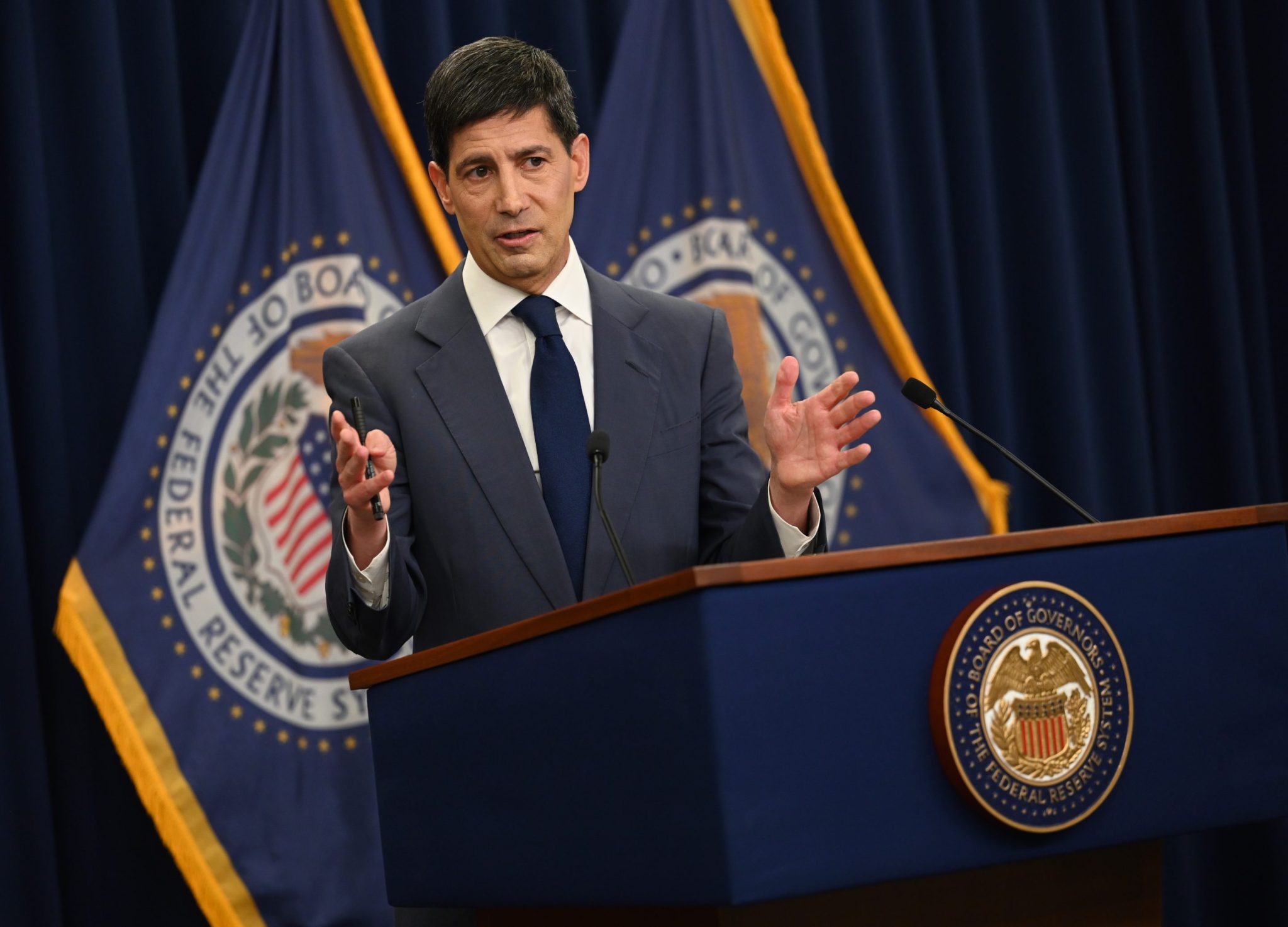
Kevin Warsh’s hawkish tone: What CEOs need to know about rates today
In today’s CEO Daily: Questions about the Fed loom large. The big leadership story: Introducing Europe’s Most Innovative Companies. The markets: Mixed globally with the KOSPI and Nikkei hitting fresh highs. Plus: All the news and watercooler chat from Fortune. Good morning from Detroit, where we hosted a reception yesterday at Gilly’s Clubhouse to bring together local leaders ahead of the Fortune 500 Innovation Forum on Nov. 16 and 17. In addition to being the epicenter of the global automotive industry, Detroit is a leader in robotics, logistics, aerospace manufacturing, clean energy, and is one of the country’s fastest-growing areas for startups. As a center of American invention—and reinvention—it feels like a perfect place to talk about the state of the U.S. economy. While issues like tariffs, energy costs, geopolitical tensions, and AI have shaped cities like Detroit, there’s no consensus on how they will play out. For business leaders gathered in Detroit, few questions loom larger than what the Fed does next. Kevin Warsh held his first meeting as Federal Reserve chairman yesterday, with the net result that the central bank held its benchmark rate steady. Whether Warsh will prove to be a dove or hawk remains unclear. For now, as my friend and longtime Fed watcher Jon Hilsenrath said, “that was the hawkish Kevin talking.” Some takeaways for leaders: Interest rates could become less predictable: Warsh indicated that he’s not going to be signaling what’s on the radar in the same way that his predecessor Jerome Powell did. That means less visibility. With four dissenting votes among the 12 cast on the Federal Open Market Committee—the most since 1992—that could also mean more volatility, too. Three regional Fed presidents (Beth Hammack, Neel Kashkari and Lorie Logan) voted against the FOMC statement because they objected to language hinting at rate cuts. Meanwhile, Fed Governor Stephen Miran voted against because he thinks rates should be lowered. Borrowing costs ar