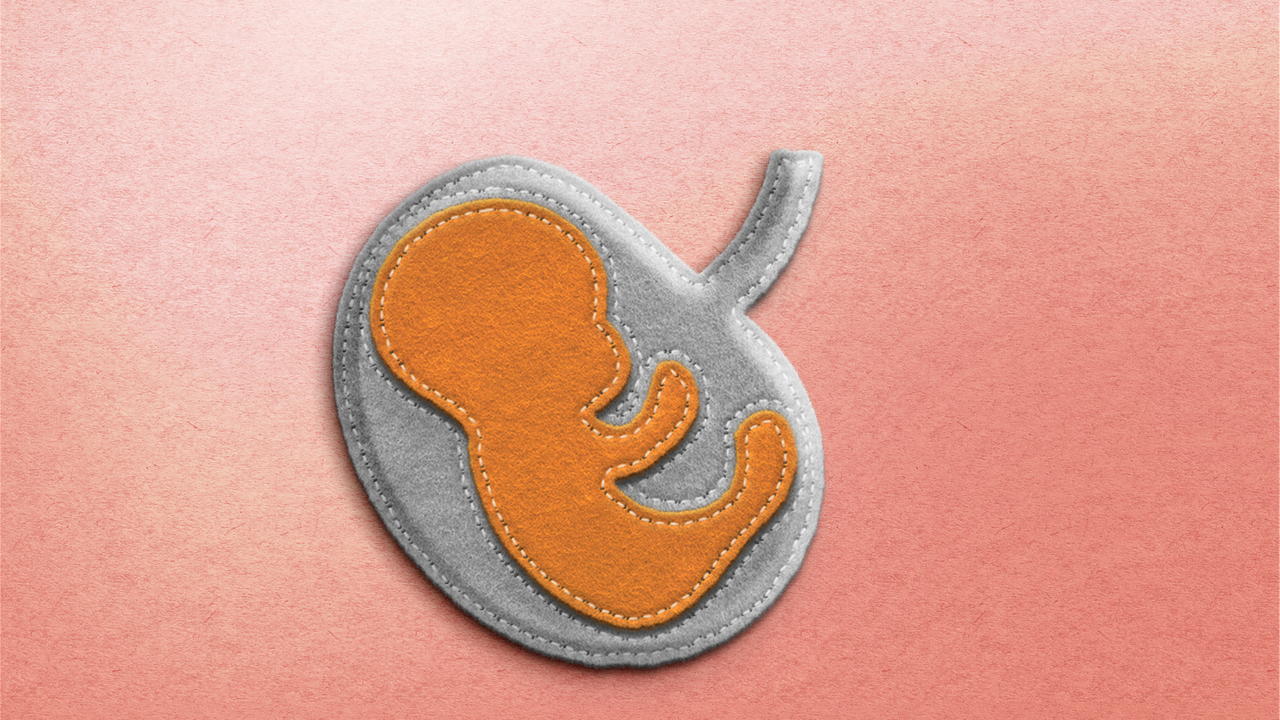
My business is not my baby, and yours shouldn’t be either
People often ask me if my business is my baby. The answer is always no. My business is my passion, one of my greatest achievements, and my livelihood—but it’s not a child. The reason that my business isn’t my baby is the same reason I don’t call my team a family. It’s the kind of thing founders say to imply a close relationship. It’s usually said with good intentions, but “family” is deeper than just a word. Family dynamics tend to be closely linked to guilt, duty, and expectations that are rarely stated outright. When you leave the company, that can be considered betrayal. Furthermore, therapy exists largely because of family—over 50% of therapy clients report that their reasons for engaging in therapy are related to family conflicts. Work shouldn’t come with the same emotional burden. Work should be the place where your team chooses personal and professional development, creating a life that works for them, and their life goals. This is easier said than done when your team becomes familial. Something one member of my team said helped me compartmentalize this, “I work for this company, but I am the CEO of my own life. I make decisions based on my value as a person.” This is the mindset that drives growth, personally and professionally. Career tenures have also changed. It has been reported that Gen Z will have five careers and 15 employers during their working years. We do not need to evoke the loyalty and lifetime commitment of “family” in today’s fluctuating career market. THE SPORTS TEAM ANALOGY Media giant Netflix defines its company culture as a professional sports team, emphasizing high performance over unconditional loyalty. Netflix says, “Professional sports teams, on the other hand, focus on performance and picking the right person for every position, even when that means swapping out someone they love for a better player.” Great teams support each other because achieving shared goals requires everyone working together. I think that the “