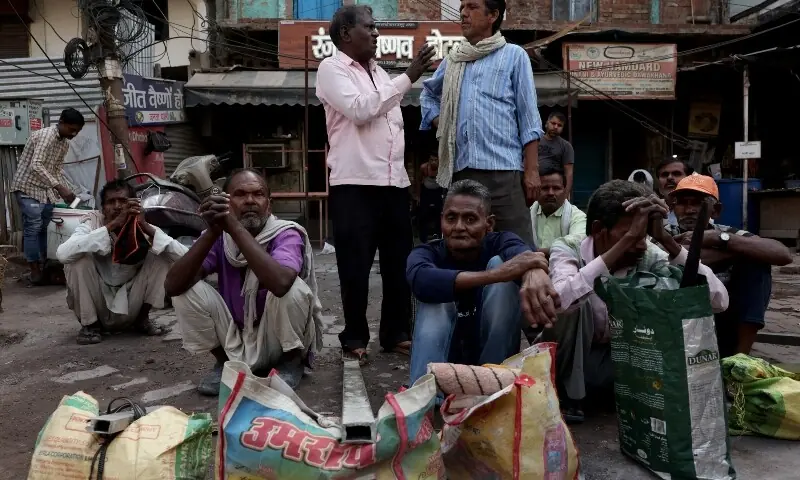
India's job engine strains as Middle East war hits remittances and trade
Why this matters: local context for readers following news across Pakistan and the region.
The war in the Middle East is squeezing two pillars of Indian employment, forcing Gulf-based workers home and crushing demand for the country’s manufactured exports, from leather goods to glassware. For decades, work in the Middle East and global demand for labour-intensive manufacturing in sectors such as footwear and garments gave a generation of Indians stable, and in some cases lucrative, incomes. Now, the foreign conflict has dealt a double blow to the economy, with returning migrant workers stuck in India and unable to find similar pay in their home towns, heightening the risk of social unrest as unemployment grows. Until January, Mohammad Qureshi worked at a jewellery shop in Saudi Arabia, earning about 30,000 rupees ($311) a month, saving enough to build a small home and help pay for his sister’s wedding. Now, the 32-year-old earns barely a third of that working at his cousins’ tea stall in the Indian city of Kanpur, after the Iran war disrupted his plans to return to the Middle East. He lives with his mother and elder sister, waiting for a break to go back to work in the Gulf. “Life in Saudi was easy and the money was good,” Qureshi said, standing beside his cousins as customers gathered for tea. “Life is difficult here. I pray the war ends soon so we can go back.” India’s economy is still growing at nearly 7 per cent and urban unemployment stands at 6.6pc, but economists and recruiters warn of weak hiring, slow wage growth and worsening job quality for the 6 to 7 million young Indians entering the workforce each year. If unattended, the strain could hurt consumption and fuel unrest like the protests in north India last month, they warn. The pressures are visible in industrial hubs such as Kanpur in Uttar Pradesh, India’s most populous state. At Kings International, a leather factory supplying saddlery overseas and sports goods to Decathlon, owner Taj Alam said the Middle East conflict has driven up fuel, gas, logistics and shipping costs, squeezing profits