What’s eating Pakistan’s mangoes?
Why this matters: local context for readers following news across Pakistan and the region.
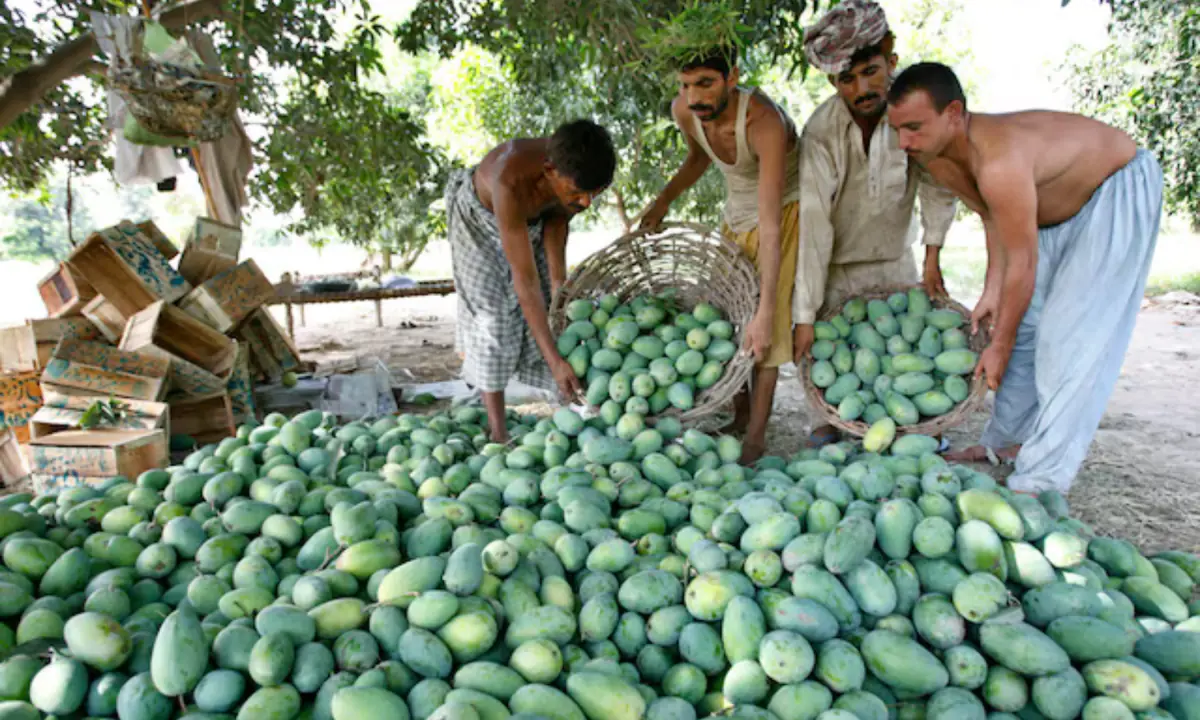
Fruit sellers at roadsides and bazaars are bracing for Pakistan’s yearly mango madness. Their baskets are filled with the early Sindhri crop for now as they wait for the Punjab Langra and Dusehri, soon to be followed by the Chaunsa and Anwar Ratol. This year’s season arrives with as much anxiety as anticipation. Fluctuating temperatures, erratic rain and hailstorms early in the year, the period critical for flowering, fruit set and ripening, have damaged orchards across Punjab’s mango belt, covering Multan, Dera Ghazi Khan and Bahawalpur divisions in the south and Sahiwal, Faisalabad, Sargodha and Lahore in the central and northern parts of the province. The prolonged stagnation after last year’s floods weakened root systems and stressed trees already battered by climatic shocks. These setbacks, coupled with uncertainty in export markets amid tensions surrounding the US-Iran-Israel conflict, have kept growers, contractors and traders on the edge over the season’s fragility. “I can safely say that around 40 per cent of the crop in my area has been damaged,” said Rabia Sultan, a grower who cultivates several varieties, including Summer Bahisht, White Chaunsa, Anwar Ratol and Sindhri, across nearly 100 acres of fertile land in Kot Addu, South Punjab. Major Tariq Khan, director Lutfabad Farms and director operations Progressive Mango Growers Group, said the yield has been dropping over the last few years, but this year has been particularly “troublesome”. “If you drive through the mango-growing belt of South Punjab for instance, you’ll witness the extent of damage,” he said. Although the Dusehri and Langra have been spared somewhat as they develop earlier in the season. “They had matured before the early-season stress set in. Chaunsa and Ratol that ripen later in the season have been most affected.” Bad weather Usually, from the cool days of February to the scorching months of May and June, each stage of the mango cycle is delicately timed. The trees emerge from dormanc