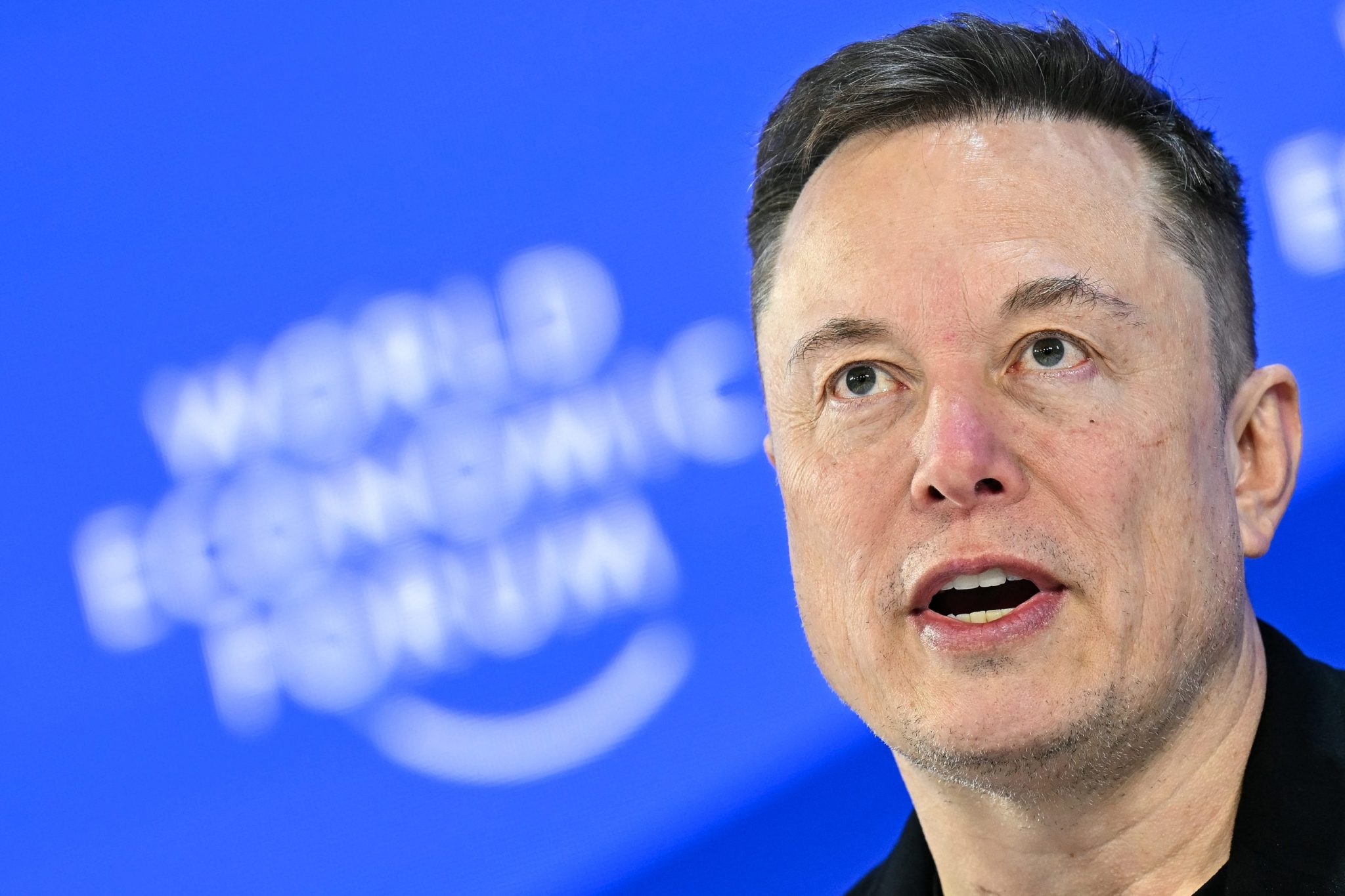
Billionaires Elon Musk and Mark Zuckerberg used mortgages to buy multimillion-dollar mansions. Here’s why that’s a savvy financial decision
Even the world’s most affluent people sometimes need a mortgage. Elon Musk is the world’s richest man, on track to become the first-ever trillionaire (or may already be one), but he’s done one thing most average Americans have to do: take out a mortgage. The Tesla CEO has taken out several mega mortgages, including $61 million from Morgan Stanley, on five properties in California, according to the Los Angeles Times. That’s barely a drop in the bucket of his now-$703 billion net worth, so it could be difficult to understand why he’d borrow tens of millions of dollars to buy real estate. But financial experts say taking out a mortgage—even when you could easily pay cash—can actually be a smart wealth strategy. Why wealthy buyers still take out mortgages One of the main reasons is that most of the wealth held by UHNW people is tied up in investments, stocks, and bonds, and they don’t keep as much liquid cash on hand. “Ultrahigh-net-worth individuals think differently about liquidity and leverage,” Miltiadis Kastanis, executive director of sales at Compass, told Fortune. “They’d rather keep their money working for them in investments, businesses—or even art—rather than tying it all up in one property.” Meta CEO Mark Zuckerberg, the world’s seventh-richest man, has also used mortgages to his advantage. In 2012, Zuckerberg refinanced his Palo Alto home with a 30-year, 1.05% adjustable-rate mortgage, according to CNBC. With such a low rate, the mortgage cost him practically nothing, so it didn’t make sense to have nearly $6 million tied up in a home. Plus, borrowing during the era of ultralow interest rates in the 2010s was especially attractive. Many wealthy buyers locked in mortgages at a much lower rate than today’s. “If they believe their investments will yield a greater return than the interest they’re paying on a mortgage, it makes more sense to finance the property,” Kastanis added. “It’s less about the cost of the loan itself and more about optimizing where their m