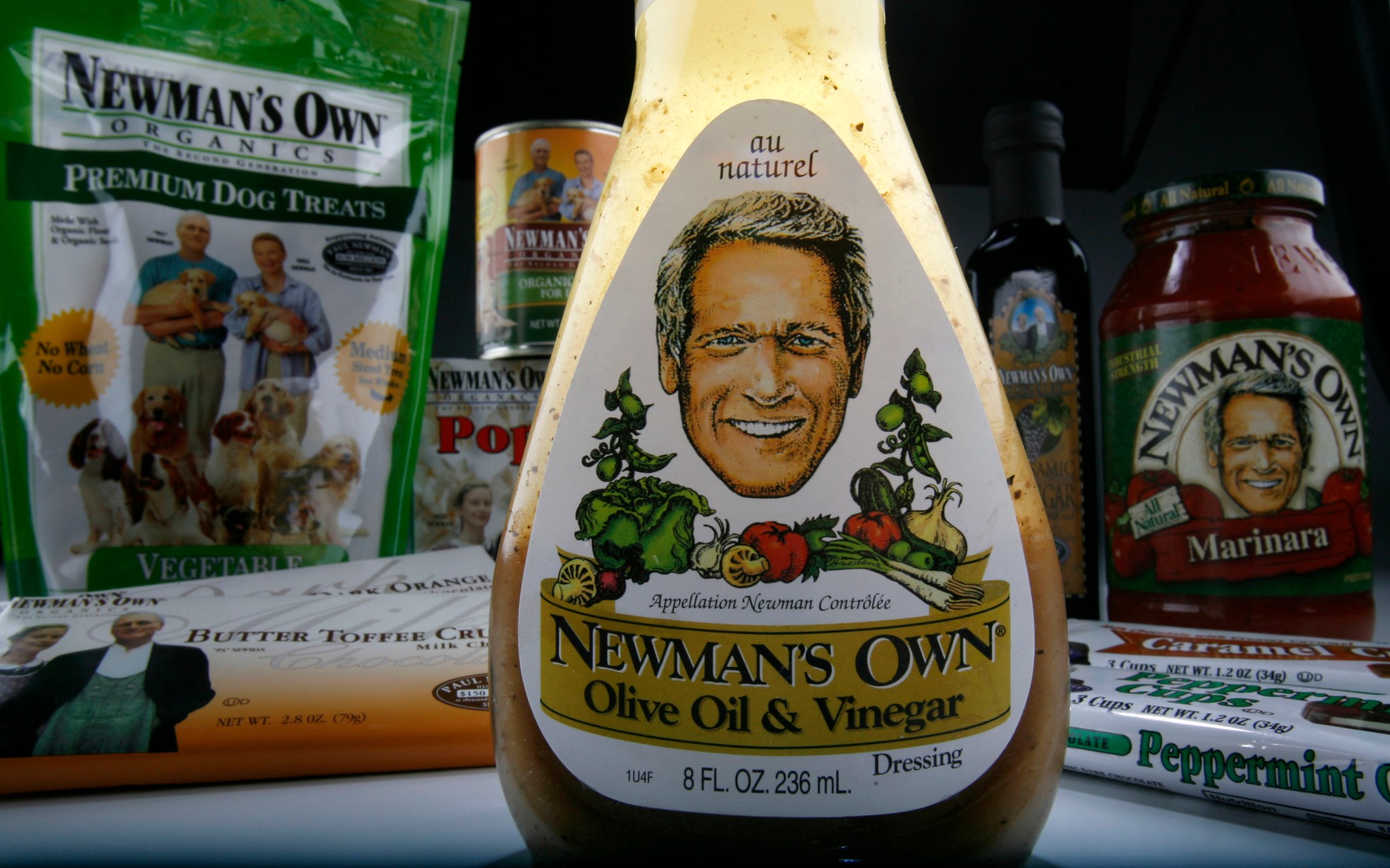
Newman’s Own CEO on steward ownership: succession when you don’t want to sell
The Great Wealth Transfer is underway: According to Mc Kinsey, more than six million small and medium businesses will shut down or transition ownership by 2035 as baby boomers retire. Of those businesses, a million are considered viable for sale, representing $5 trillion in enterprise value. While this moment represents a huge opportunity for buyers and investors, not every business owner wants, or has the opportunity, to sell. Many owners spent decades building their companies and bristle at the idea of selling to traditional private equity or a bigger company that could restructure their business, lay off employees, and jeopardize their legacy. Some businesses will pass down to family members, but the majority face closure and 27% of owners 55 and above are unsure of their succession planning. A solution? Steward Ownership models which combine self-determination and purpose orientation. These allow companies to resist speculative takeover and embed mission and values for the benefit of employees, customers, and/or the broader community. Take Rick Plympton and Mike Mandina, respectively former CEO and Founder of Rochester, N.Y.-based high precision optics company Optimax. Since the 1990s, Rick and Mike grew Optimax from 10 employees struggling to make payroll to 500 employees with ~20% annual revenue growth. When the time came to discuss succession, the pair agreed selling wasn’t an option—no matter the potential upside. “Mike and I grew up blue collar—we don’t need to make billions of dollars,” said Plympton. “We wanted to create a corporate structure where the company could continue to grow and create jobs here in our community.” They chose to convert Optimax to an Employee Ownership Trust. In 2020, Rick and Mike donated 20% of their equity to the trust. Over time, Rick and Mike will sell their outstanding shares back to the company after which the trust will fully own Optimax. Optimax’s profits will then be shared with employees or reinvested to grow the bu