Spotify’s new Wrapped-style recap takes you way down your own sonic memory lane
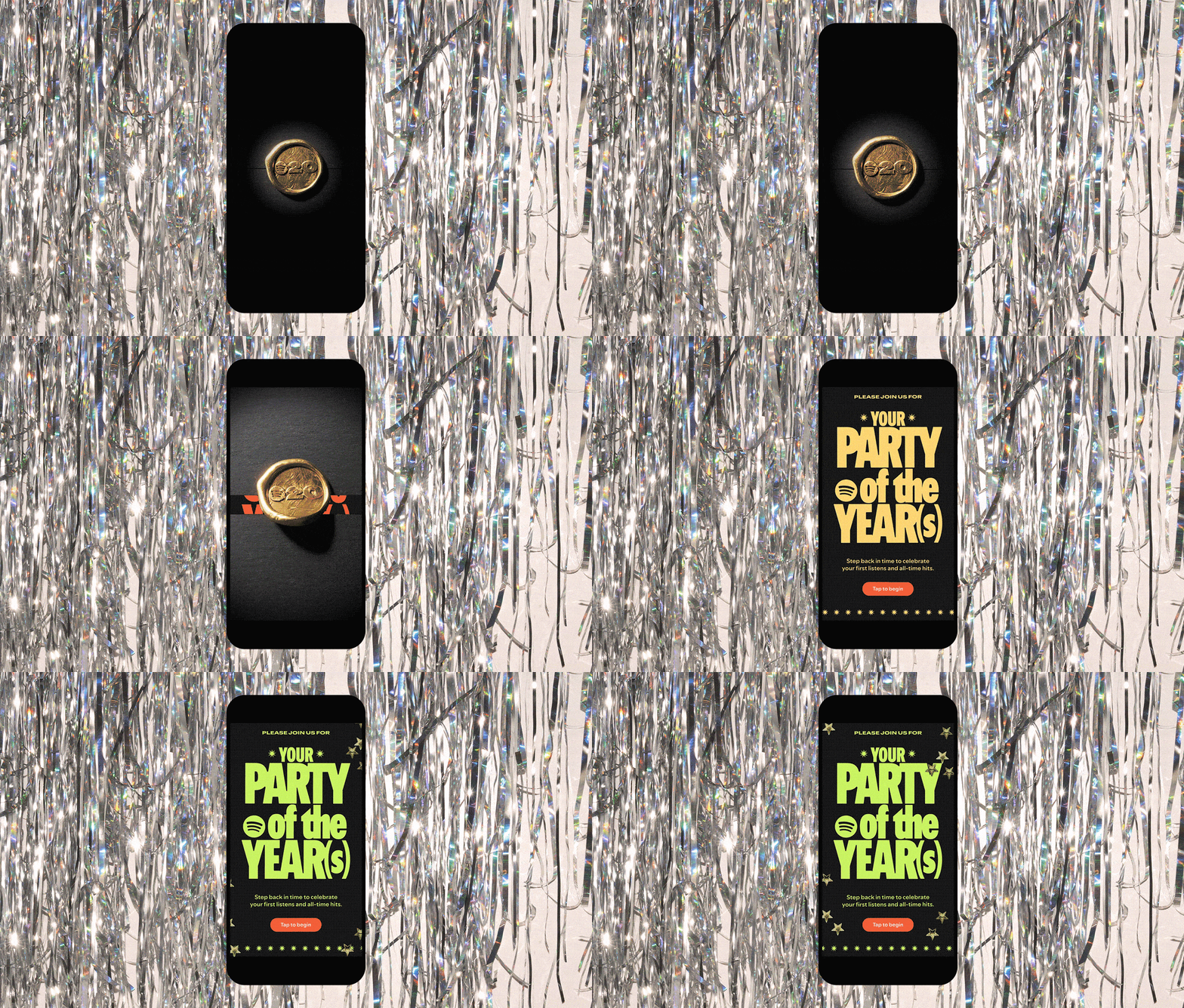
Today, Spotify is releasing some never-before-seen data to users—and it’s coming in a format that looks strikingly familiar. To celebrate its 20-year anniversary, Spotify is launching Your Party of the Year(s), an in-app experience designed to hit users with a blast of nostalgia by walking them through highlights of their own user journey with the app, including their first song ever streamed. The format is a click-through, interactive infographic, and it looks a whole lot like Spotify Wrapped. Since it debuted in 2014, Wrapped has become a core pillar of Spotify’s business. In 2025, more than 300 million users engaged with the launch, up 20% from 2024. And that’s not even counting the free promo that Spotify raked in as a result: The campaign inspired 630 million shares across social media, up 42% year-over-year. [Image: Spotify] In a February earnings call, Spotify co-CEO Alex Norström revealed that day one of last year’s Wrapped marked the highest single day of premium subscriber intake in Spotify history. Today, Wrapped is such a golden goose in the marketing world that countless other companies have tried to dupe the format, with varying degrees of success (looking at you, LinkedIn). Its success comes in large part due to the anticipation that builds around the campaign, which rolls out only once a year—in December—to celebrate users’ year in music. Your Party of the Year(s) feels like the closest Spotify has ever come to a Wrapped-inspired experience outside of end-of-year—and, for Spotify’s executive team, it’s part of a delicate balance between bringing learnings from Wrapped into the rest of the year and ensuring that Wrapped remains its own distinct brand moment. [Image: Spotify] What to know about Your Party of the Year(s) Last year, Wrapped 2025 embraced a retro, scrapbook-inspired aesthetic as a response to fans’ negative response to its more techy, AI-centric experience in 2024. Your Party of the Year(s) seems to be taking a similarly analog-looking ap