Surprising facts about the slave trade
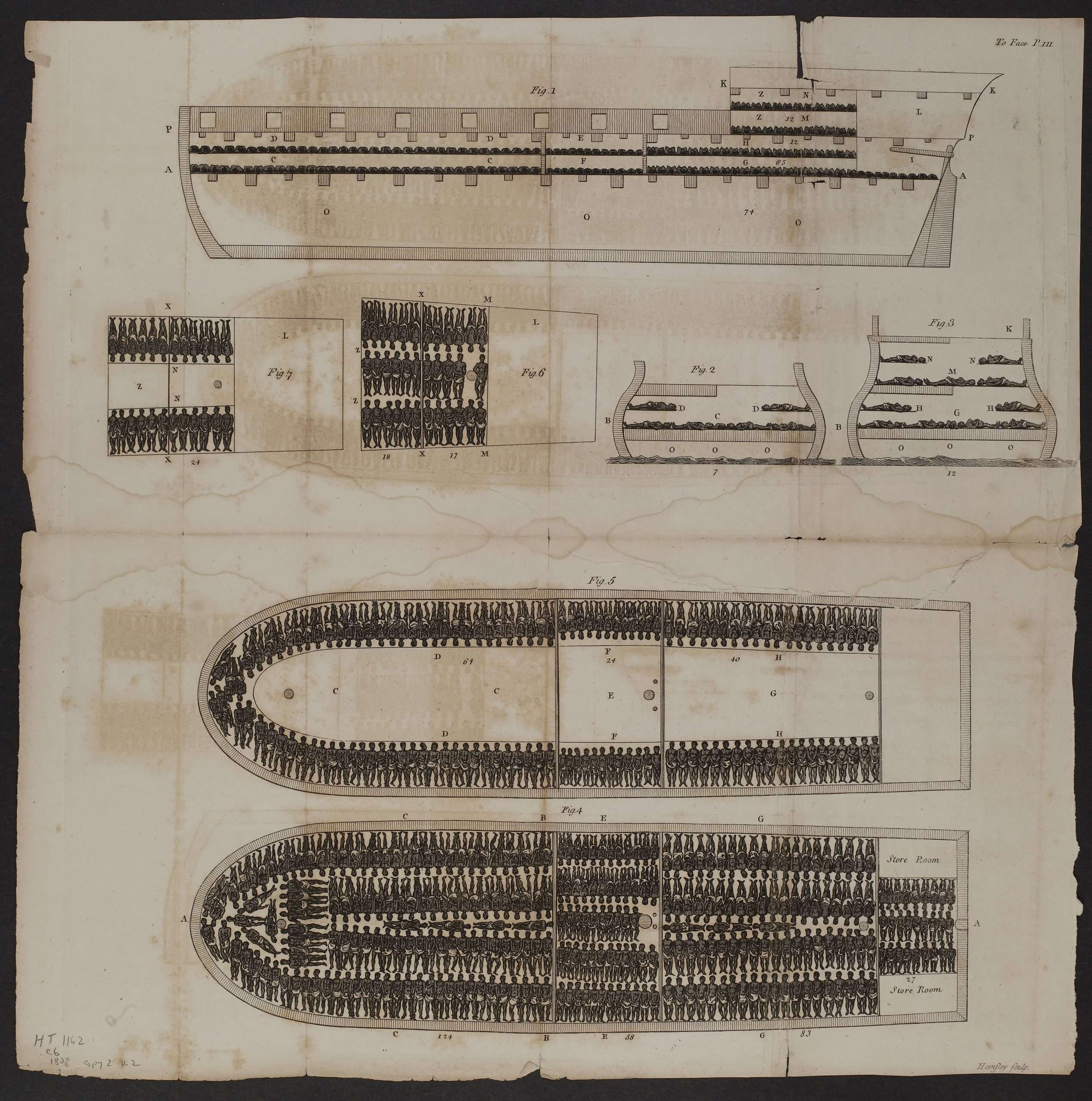
The obstacle to abolition was not the economic system, but an industry lobby.I had always imagined the British abolitionist movement to be a broad battle between an unstoppable moral imperative and an immovable economic incentive. But in practice it started as more of a knife fight between a cabal of moral pioneers and a special interest group representing industry merchants.The government and the political parties did not come in with any great agenda. MPs were mostly prizes in a furious contest between the Committee for the Abolition of the Slave Trade and a coalition of business interests:"The merchants and planters availed themselves [...] to wait upon members of parliament by deputation, in order to solicit their attendance in their favour, and to renew their injurious paragraphs in the public papers."[1]"The committee, for the abolition, when the work was finished, printed it at their own expense [...] sent it to every individual member of that House."However, the public was heavily activated in favor of the abolition, which forced the issue to parliamentary attention."The committee also in this interval brought out their famous print of the plan and section of a slave-ship... As this print seemed to make an instantaneous impression of horror upon all who saw it, and as it was therefore very instrumental, in consequence of the wide circulation given it, in serving the cause of the injured Africans."But the abolitionist cabal quickly expanded from an esoteric group of Quakers and other oddballs to an elite coalition including many famous figures such as William Pitt the Younger and the Marquis de Lafayette:"He [Lafayette] hoped the day was near at hand, when two great nations, which had been hitherto distinguished only for their hostility, one toward the other, would unite in so sublime a measure.""The cause is so lovely, that even ambition, abstractedly considered, is too impure to take it under its protection, and not to sully it."Part of the explanation f