THE ECONOMICS OF PAKISTAN’S EIDUL AZHA
Why this matters: local context for readers following news across Pakistan and the region.
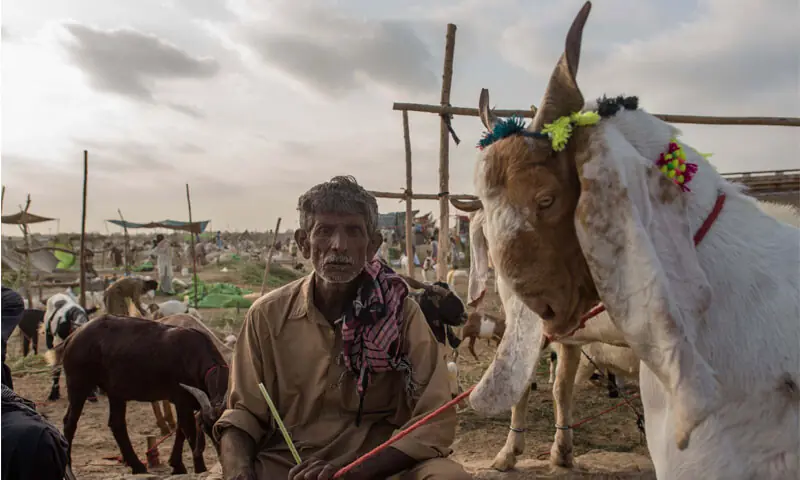
The animals arrive before the city wakes. By three in the morning, a few weeks before Eidul Azha, the livestock markets on the periphery of Karachi are already dense with noise and colour, the restless lowing of cattle from Sindh’s interior, the sharper bleating of goats driven down from Balochistan, the occasional camel standing in imperious silence while traders haggle beneath fluorescent lights. The men who have brought these animals have been travelling for days. They have fed these animals, watered them, negotiated their passage across provincial checkpoints and absorbed the cost of fodder — the price of which has only increased in the past three years — and the ever-increasing cost of transportation, courtesy a sovereign that refuses to be fiscally responsible. They are supply-side participants in one of Pakistan’s largest annual markets. But no official body counts them with any precision. Every Eidul Azha, millions of Pakistanis participate in a decentralised economic event larger than half the federal development budget. In just three days, half a trillion rupees flow through the country’s economy and half a million tonnes of protein are distributed. From livestock traders and butchers to rural farmers, transporters and tannery workers, this is the story of the vast informal economy that sustains this nation and that the state barely measures UNDERSTANDING EID CASH FLOWS Pakistan slaughters approximately 7.4 million animals over the three days of Eidul Azha. Cattle, buffalo, goats, sheep, camels, in that order of economic weight. The best available national estimate for 2025, triangulated from the Pakistan Tanners Association’s (PTA) hide counts, municipal offal disposal data from seven cities, and State Bank of Pakistan (SBP) monetary flow data, puts the total national spending on Eidul Azha sacrificial animals and ancillary activities at approximately Rs641 billion in the base case, with a defensible range of Rs539-752 billion, depending on price realisat