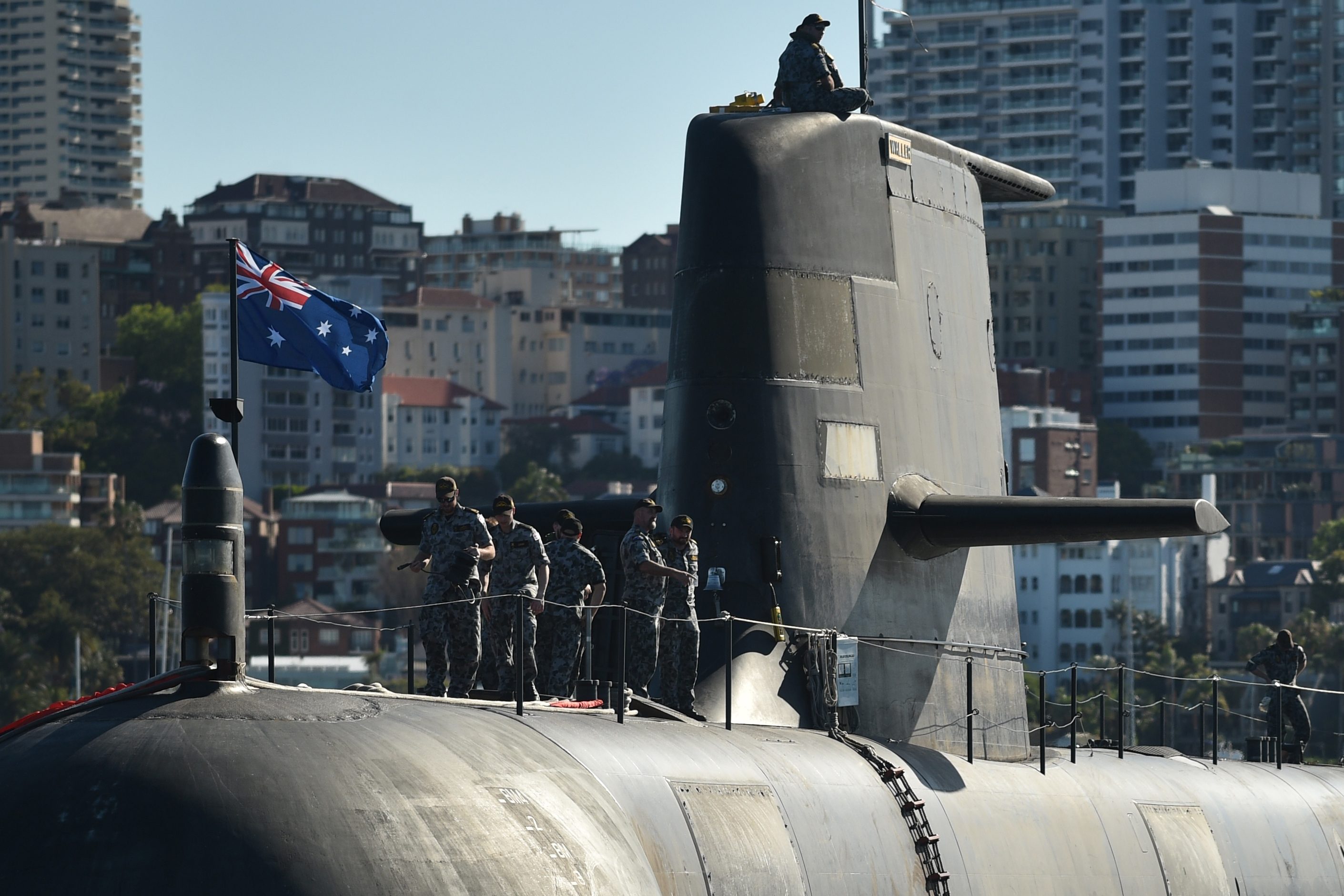
Australia starts ‘high-risk’ life extension of its submarine fleet
Why this matters: an international story with cross-border implications worth tracking.
CHRISTCHURCH, New Zealand — The Australian government this month announced the beginning of a long-delayed life-extension program for six diesel-electric Collins-class submarines, an effort that government auditors immediately flagged as a high-risk affair.The boat Farncomb, the submarine with the greatest mileage, is the first vessel to undergo the process at the government-owned ASC shipyard near Adelaide. Work starts in late May.Replacement of the Collins fleet – introduced from 1996-2003 – had been formally proposed as long ago as 2009. However, successive governments dithered as they first considered French-designed boats — spectacularly dumped in 2021 — and then AUKUS nuclear-powered submarines.Now budgeted at A$11 billion (nearly US$8 billion), the extension program became ever more critical as a bridging capability before Australia’s navy anticipates its first American Virginia-class submarines in the early 2030s and SSN-AUKUS boats in the 2040s.The Australian National Audit Office (ANAO) issued a damning verdict on Department of Defence planning for the life-extension program. It noted that “substantial further expenditure has been incurred, delays have accumulated and capability risks have remained.”Auditors concluded that Defence is not in a good position “to demonstrate that the project will achieve its intended capability outcomes or represent value for money.”Defense officials claimed in a press release that the extension program “will reduce risk, enhance capability and maximize availability.” The statement proposed a “conditions-based sustainment approach” that restores base components and upgrades critical weapons and systems.Work on Farncomb will start with a detailed engineering assessment, and subsequent work will depend on what is discovered.This first effort, which may uncover hidden issues such as corrosion, will inform work to be performed on the remaining submarines. Priority will be given to the youngest boats.Auditors determined that accum