Filling up your car won’t feel normal until next summer, S&P says
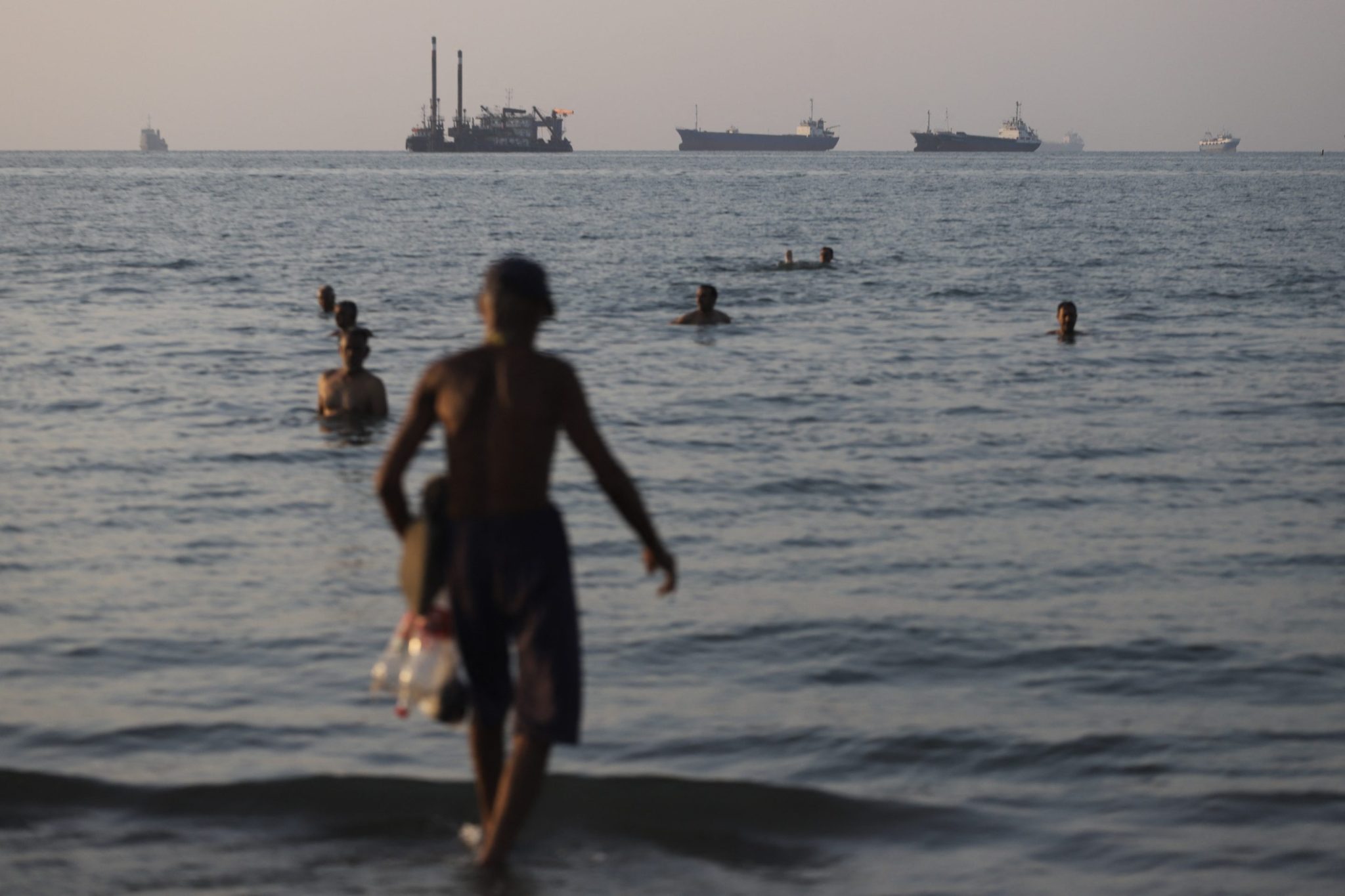
The war in the Middle East might be drawing to a close, but one of the largest energy disruptions in history still needs some time to iron out the kinks. On Sunday, the U.S. and Iran announced a memorandum of understanding to end their conflict that has been waged on and off since February. The tentative deal—scheduled to be formally signed Friday—includes a provision to reopen the Strait of Hormuz, allowing Middle East-produced oil and natural gas to ship around the world again. But energy analysts warn that physical energy markets could remain tight well into next year. The strait has been effectively closed to commercial traffic for months, sparking what the International Energy Agency has called the largest oil market disruption in history. Repairing those cracks and resupplying global stocks will likely take more time and effort than signing a deal. In a research brief published Monday, analysts at S&P Global wrote that while the deal eases long-term oil supply concerns, normalization of flows is likely to take until the summer of 2027, with physical crude markets expected to remain tight throughout this summer. Supply losses are expected to exceed 1.5 billion barrels by the end of June, according to S&P. When announcing the framework deal, President Donald Trump wrote in a social media post that the strait would reopen “toll-free” and that the U.S. would lift its naval blockade on Iranian ports. But despite the announcement, traffic has remained subdued so far as details of the deal emerge. A BBC analysis, published Tuesday, found only seven vessels had transited the strait since the deal was announced, while nearly 600 tankers and cargo ships remained mostly idle in the Persian Gulf. It might take time for ships to feel confident they can safely traverse the strait. “Sailing through the strait will remain riskier and more costly than before the war,” researchers at Oxford Economics wrote in a research note published Monday. “Physical flows are still likely to