Partners, NASA Ready for June Launch of Swift Boost Mission
Why this matters: new research or scientific developments with potential real-world impact.
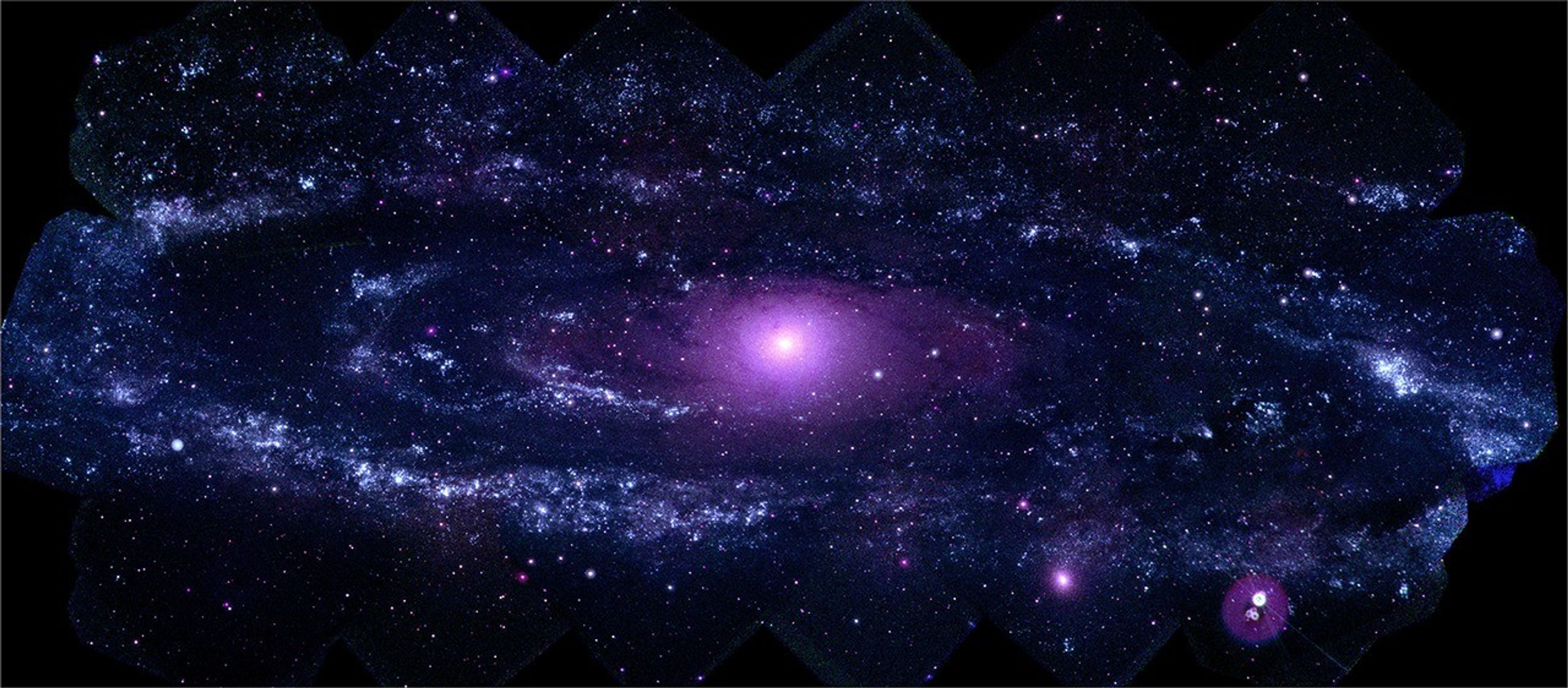
Watch to get a sneak peek.Credit: NASA’s Goddard Space Flight Center/Katalyst Space/Northrop Grumman. A mission to raise the orbit of NASA’s Neil Gehrels Swift Observatory is poised for launch no earlier than Tuesday, June 30, 6:23 a.m. EDT (10:23 p.m. UTC+12), from Kwajalein Atoll, part of the Republic of the Marshall Islands in the South Pacific Ocean. A robotic servicing satellite called LINK, built by Katalyst Space, will blast into orbit on a Northrop Grumman Pegasus XL rocket. LINK will rendezvous with, grapple, and slowly raise Swift’s altitude over several months, preventing it from re-entering Earth’s atmosphere later this year. “Swift is NASA’s multitool when it comes to studying the cosmos,” said S. Bradley Cenko, principal investigator, Swift, NASA’s Goddard Space Flight Center in Greenbelt, Maryland. “It observes the sky using a wide range of light and rapidly points at short-lived outbursts, alerting other facilities in space and on the ground to help coordinate follow-up observations. For the last two decades, Swift has been a key player in NASA’s efforts to understand how the universe works, and we’re looking forward to getting back to that work after the boost is complete.” This mosaic of M31 merges 330 individual images taken by the Ultraviolet/Optical Telescope aboard Swift. It is the highest-resolution image of the galaxy ever recorded in the ultraviolet. The image shows a region 200,000 light-years wide and 100,000 light-years high. NASA/Swift/Stefan Immler (GSFC) and Erin Grand (UMCP) Download high-resolution images and videos related to Swift through NASA’s Scientific Visualization Studio. Our planet’s atmosphere creates drag on all spacecraft in low Earth orbit, gradually reducing their altitudes if they don’t have propulsion systems to counteract t