One economist’s ‘radical idea’ to solve the biggest energy crisis in history: a reverse OPEC
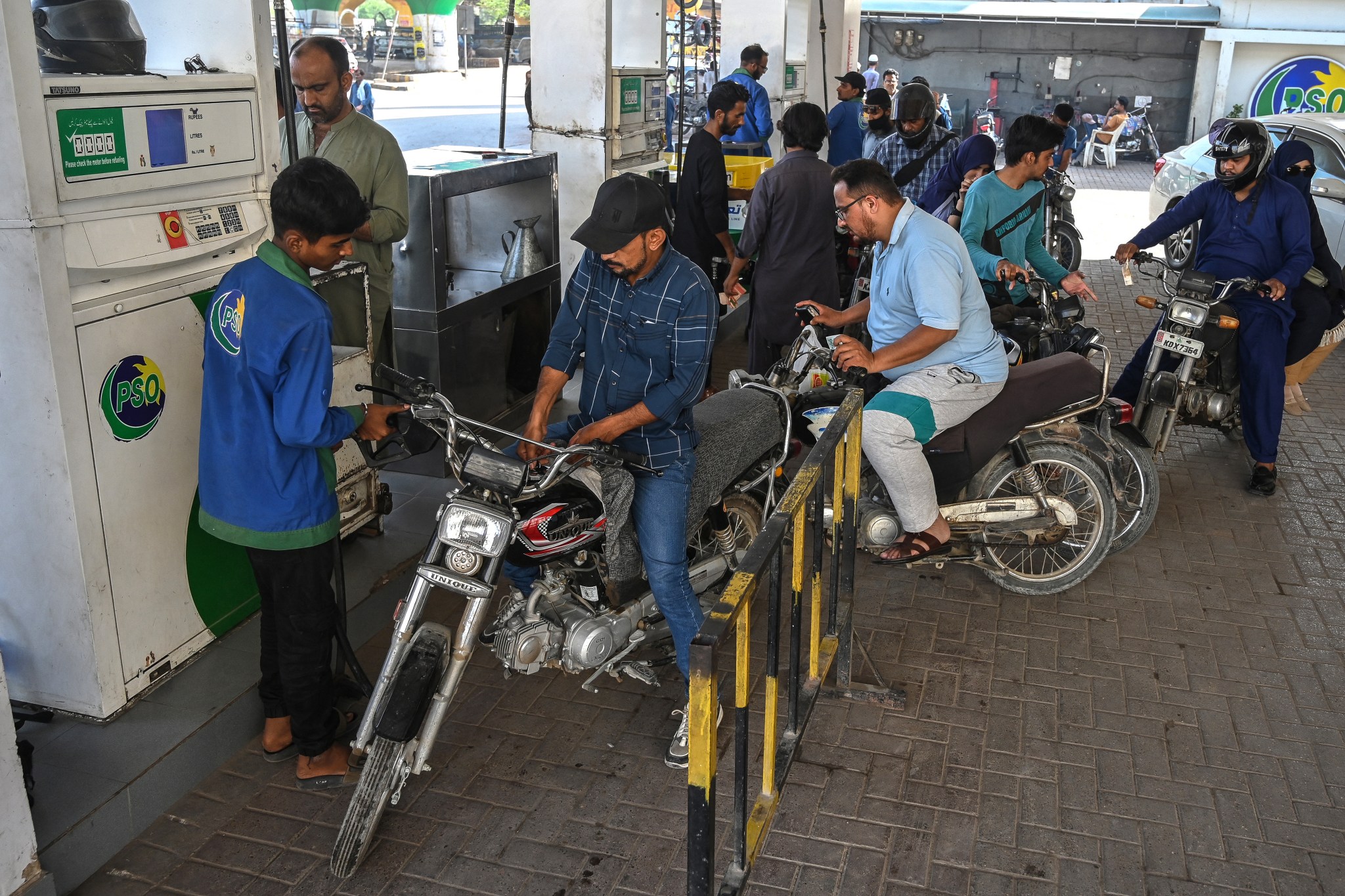
The world is facing the largest energy crisis in modern history—and the U.S. may be the country with the most power to do something about it. Oil exports are projected to slow by 1.5 million barrels per day in the second quarter of 2026, leaving Pakistan, Indonesia, and the Philippines within days of running out of gasoline and crude oil. The International Energy Agency warned last month that Europe has “maybe six weeks or so (of) jet fuel left,” which would force airlines to cancel flights or hike fares. For University of Massachusetts Amherst economist Gregor Semieniuk, the crisis makes a compelling case for the U.S. to lead a departure from the free-market philosophy that has governed oil distribution for more than 40 years. “People on Wall Street and commodity traders will tell you that if you interfere, it’s going to make things worse; you will have shortages,” he told Fortune. “That may all be true …. But this is the biggest energy crisis the world has experienced in modern times—even larger than in the ‘70s in terms of quantity. Maybe it’s time for a different approach in such an emergency.” A ‘radical idea’ with historical roots Semieniuk suggested a potential easing of the oil shock could come from a “radical idea” compared to how the market currently functions. He and his UMass colleague and economist Isabella Weber developed what amounts to a reverse OPEC: a buyers’ coalition in which oil-importing nations would collectively corner the market and press exporters like the U.S. to sell at more affordable prices, rather than allowing a bidding war to drive costs out of reach for poorer countries. A price ceiling on oil would inhibit that bidding war and curb inflation. The concept would invert the dynamic that the world has accepted for 65 years. OPEC was itself considered a radical intervention when it was founded in 1960—a cartel of producing nations that coordinated supply to wrest price control away from We