Do fitness trackers still work if you have tattoos?
Key takeaways
- The short answer is: sometimes, but it’s complicated.
- The last thing you want to happen after dropping hundreds of dollars on a wearable is to discover that it doesn't work with your body.
- One of the main issues people experience is with heart rate sensing.
The short answer is: sometimes, but it’s complicated.
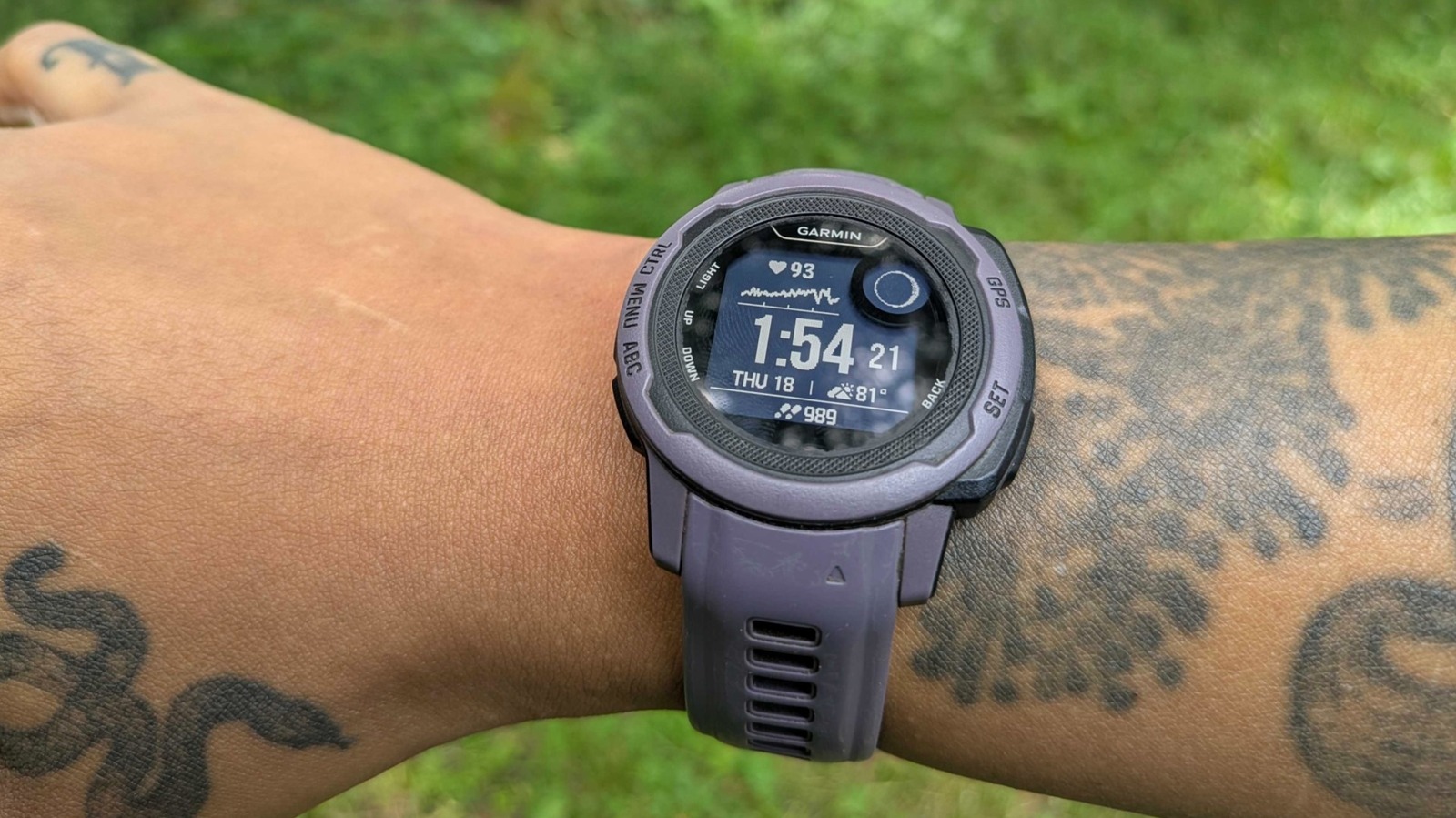
Cheyenne Mac Donald for Engadget. The last thing you want to happen after dropping hundreds of dollars on a wearable is to discover that it doesn't work with your body. But, that's a fairly common problem people with wrist tattoos have been running into since the advent of smartwatches and fitness trackers. As countless posts on device support pages and Reddit have chronicled over the years, tattooed skin and the sensors used by wearables often don't mix well.
One of the main issues people experience is with heart rate sensing. Wearables use a light-based technique called photoplethysmography (PPG) to measure heart rate. That's the green light you see when you flip your device over. But, tattoos can get in the way of that light, messing with the readings. The other problem is wrist detection, which also uses lights to determine if the tracker is on a person's wrist (along with an accelerometer and electrical sensors). Slap a fitness tracker on a wrist that's covered by a tattoo, and the device may not register that it's being worn at all, consequently requiring the wearer to repeatedly unlock the device whenever they want to interact with it.