More than a club: how Paris Saint-Germain took inspiration from the Barcelona slogan and the New York Yankees cap to create a global business brand
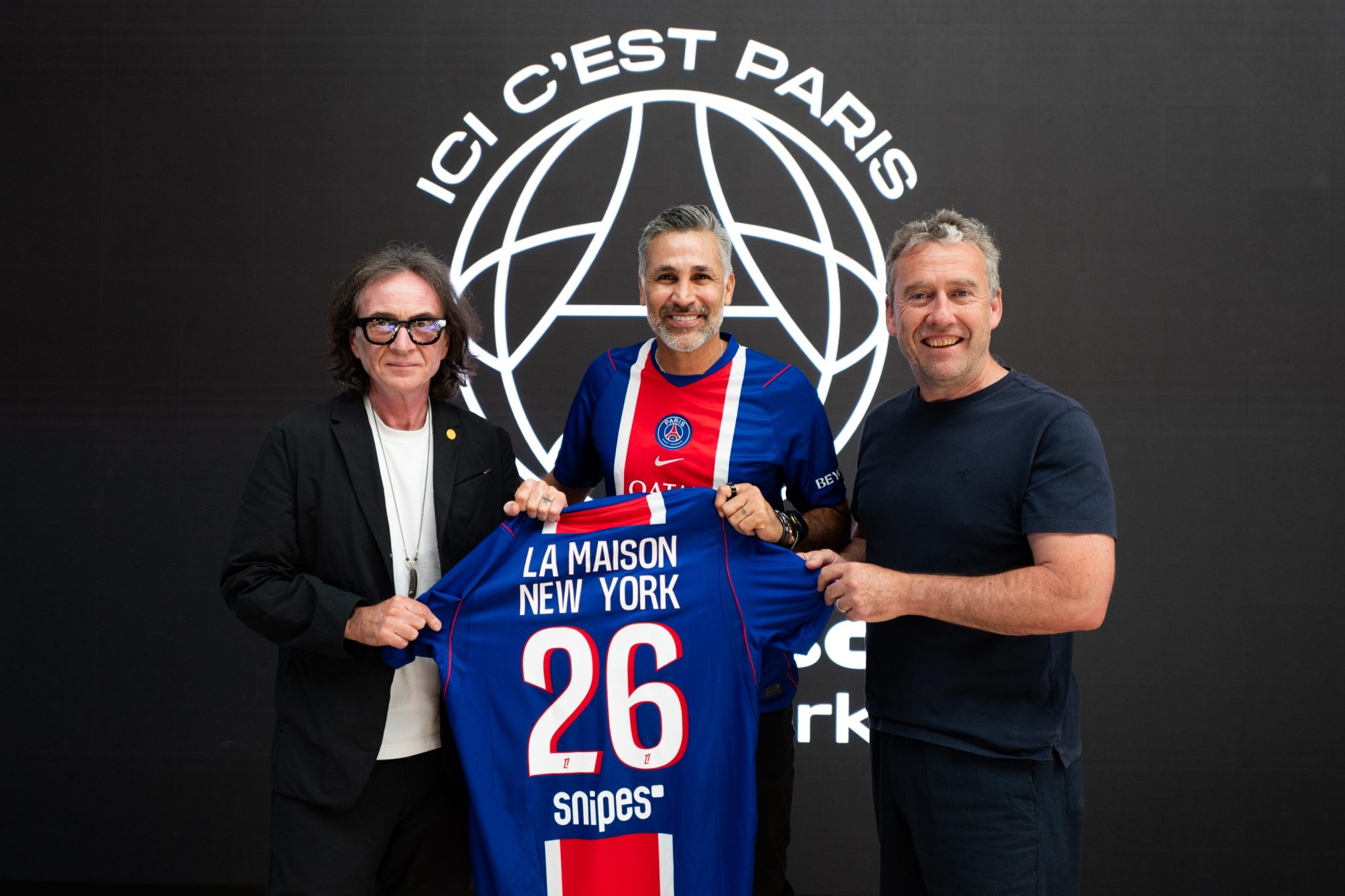
In 1968, FC Barcelona president Narcís de Carreras stood before the club’s membership and declared Barça was “més que un club“—more than a club. It was not a marketing slogan. It was a political act, a declaration of Catalan identity under Francisco Franco’s dictatorship, and it became the most famous motto in the history of sport. For decades, it meant something specific: a football club as a vessel for cultural survival. Fifty-seven years later, in a pop-up event space on Union Square in New York—French chefs in the kitchen, artists’ limited-edition collaborations on the walls and a France-Senegal World Cup watch-along on a big screen—Paris Saint-Germain is attempting something audacious: turning that motto into a business model. Chief Revenue Officer Richard Heaselgrave, a West Bromwich Albion supporter from the English midlands, gestured around the New York activation during the World Cup and said that World Cup game notwithstanding, “there’s no football here.” He described the balance of sport and commerce as a “yin and yang” kind of dynamic: “Paris, as a city, is appealing: The food, the art, the culture, the fashion, that we can export.” “This is literally the brand I’m talking about.” He pauses. “We sell out. These are profitable ventures. We don’t spend money on this.” It is, depending on your vantage point, either the most sophisticated evolution in sports franchise history or the most expensive stress-test of a question no one has yet answered: Can “more than a club” be engineered from the top down? Or does it only emerge, as it did in Barcelona, from the bottom up—from suffering, from identity, from something that cannot be purchased? PSG’s La Maison in New York has its own motto, of course, one as revealing in its own way as mes que un club. “Ici, c’est Paris.” It roughly translates to “here, this is Paris