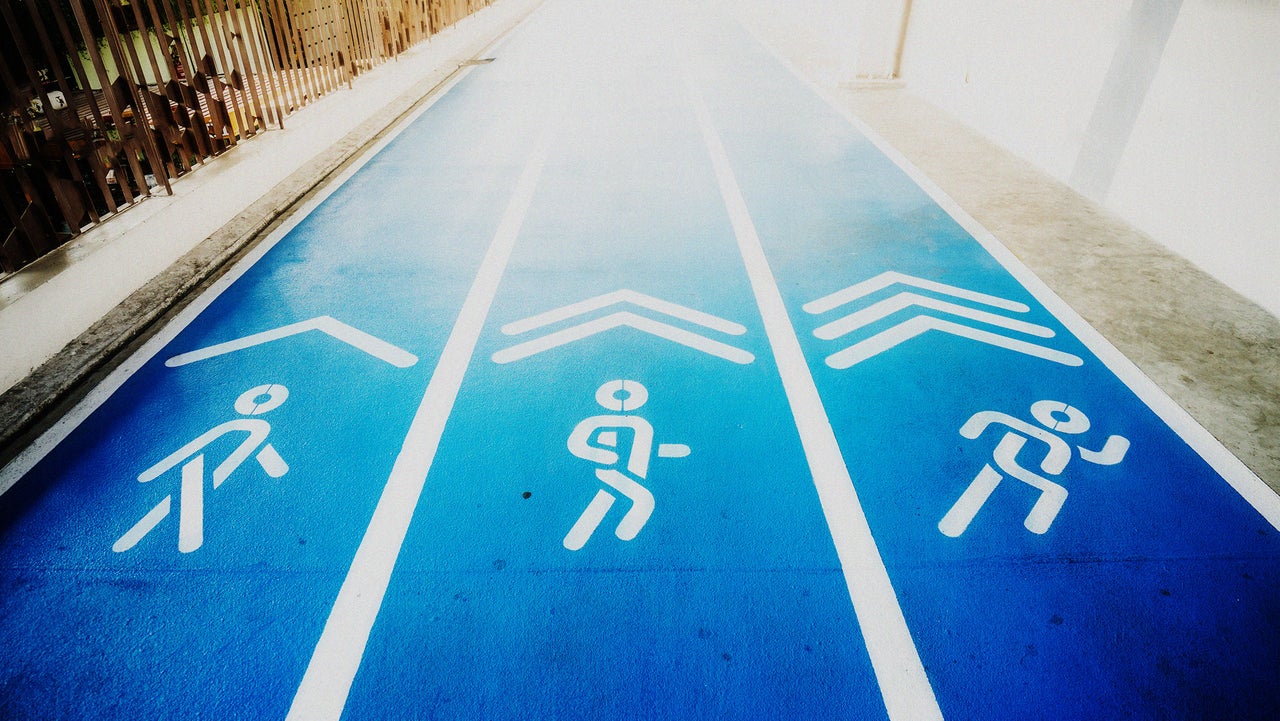
Speed is a virtue. Or is it?
Human achievements never come without their downsides, and those unwelcome consequences tend to have highly uneven distributions. Higher speeds and their effects have been no exception. Speed brings perils and succor: Excessive speed, in so many guises, kills—but receiving the fastest possible post-event care is the key to recovery from strokes or preventing death from internal bleeding, and the COVID-19 pandemic showed, once again, the benefits of speedy mass-scale vaccination (particularly for older people). The quest for speed causes inequalities, squalor, noise, and pollution (too many modern cities are witness to that)—but it also creates unprecedented economic opportunities, prolongs our lives, saves time, and makes quotidian life easier (from long-distance travel to near-instant interior heating and air conditioning). But it is not difficult to make a definite case against the commonly held myth of speed as an unqualified benefit. Advocacy for and the practice of deliberately restricted “life speeds” has been a reaction to a long list of undesirable conditions and outcomes associated with speed: Social critics have charged speed with everything from the homogenization of lives and environments to depriving people of variety and texture in their lives; from causing stress, alienation, and exhaustion, to the loss of agency, feelings of powerlessness, the collapse of work/life distinctions, and mental and physical ailments. These undesirable states are to be remedied by supervised therapies or regular practices in search of decompression, calm, and tranquility based on stillness and slowness: sitting without distractions, listening to slow music, deep breathing, interacting with friendly animals, seeking rural respite—all in the quest for stillness as a productive state. This can be done in settings ranging from expensive facilities catering to celebrities to a quiet clearing in the woods or an isolated lakeshore. The extreme form of speed abhorrence is to prefe