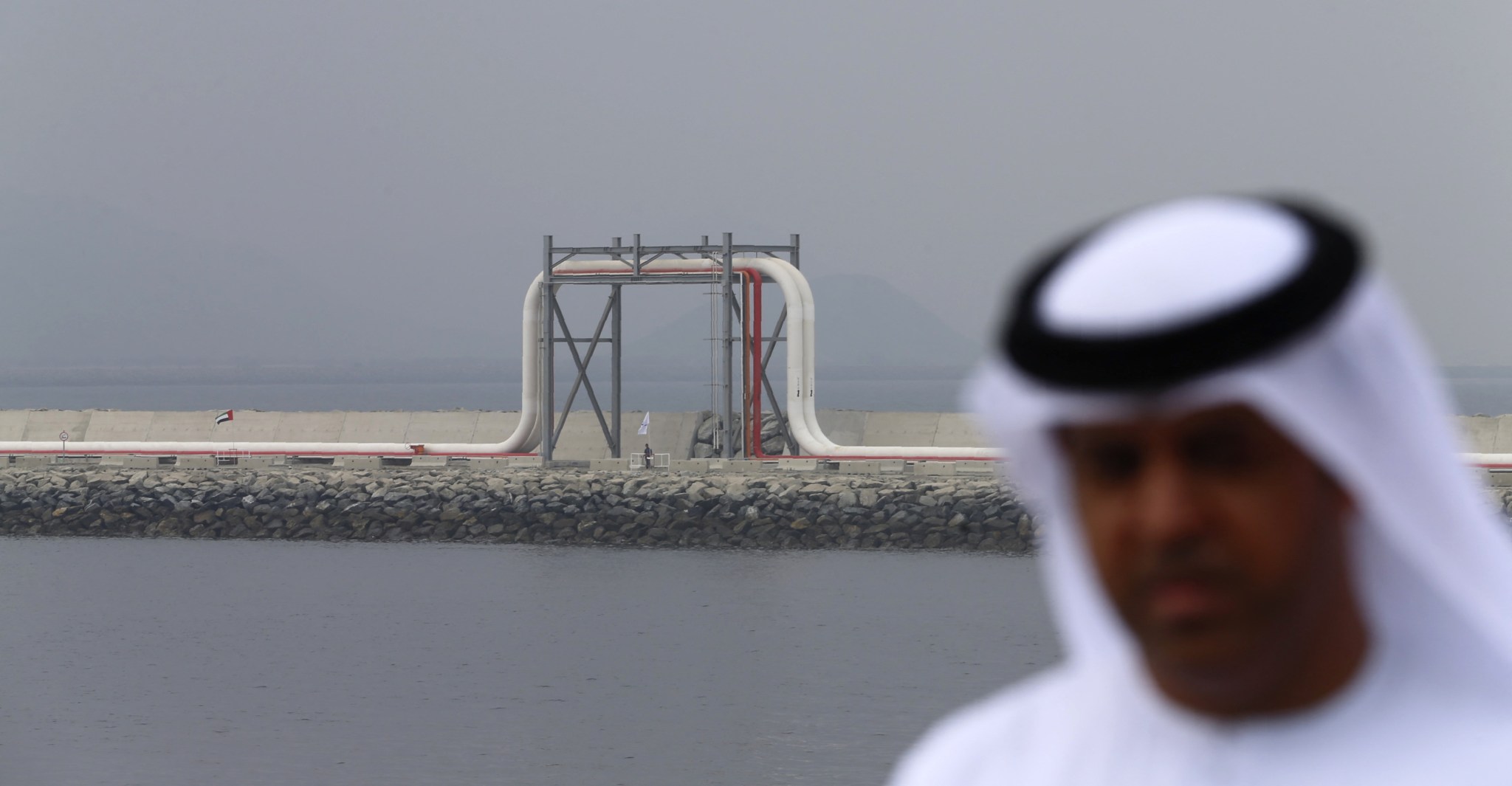
‘Take the money and run’: Johns Hopkins economist Steve Hanke on why the UAE quit OPEC
The decision was shocking. But the announcement April 28 that the UAE was leaving OPEC caps years of tension where the desert state chafed under the cartel’s quotas, and recently, encountered severe strain in its relationship with Saudi Arabia, the group’s most potent force by far. Though it had felt strains before, it was the war in Iran that pushed the UAE over the edge. “The war suddenly made job one for the UAE ‘take the money and run,'” says Steve H. Hanke, professor of applied economics at Johns Hopkins University. “First, OPEC stood partially in the way, now the Iran war poses a much bigger danger for a long time to come.” The UAE didn’t mention the Gulf conflict in its public announcement. Its press release stated that, “The decision reflects the UAE’s long-term strategic and economic vision and evolving energy profile, including accelerated investment in domestic energy production.” Included was a confirmation that the UAE seeks to lift production beyond the OPEC strictures—framed by understatement apparently designed to avoid freaking the oil market. The UAE pledged to bring “additional production to the market in a gradual and measured manner, aligned with demand and market conditions.” One observer the move didn’t surprise was Hanke, who served on the UAE’s Financial Advisory Council from 2008 to 2014. Years earlier, he had developed an economic model that addressed how fast an oil-rich nation should produce assuming different rates of decline in the “real,” or inflation-adjusted price of crude. That projection specified the rising “discount rates” at which the reserves lost value the longer they stayed in the ground. The faster the projected decline in the dollars a barrel fetched on the world market, the quicker a nation should pump to maximize its profits. Hanke shared his work with the UAE’s economic leaders. “The system showi