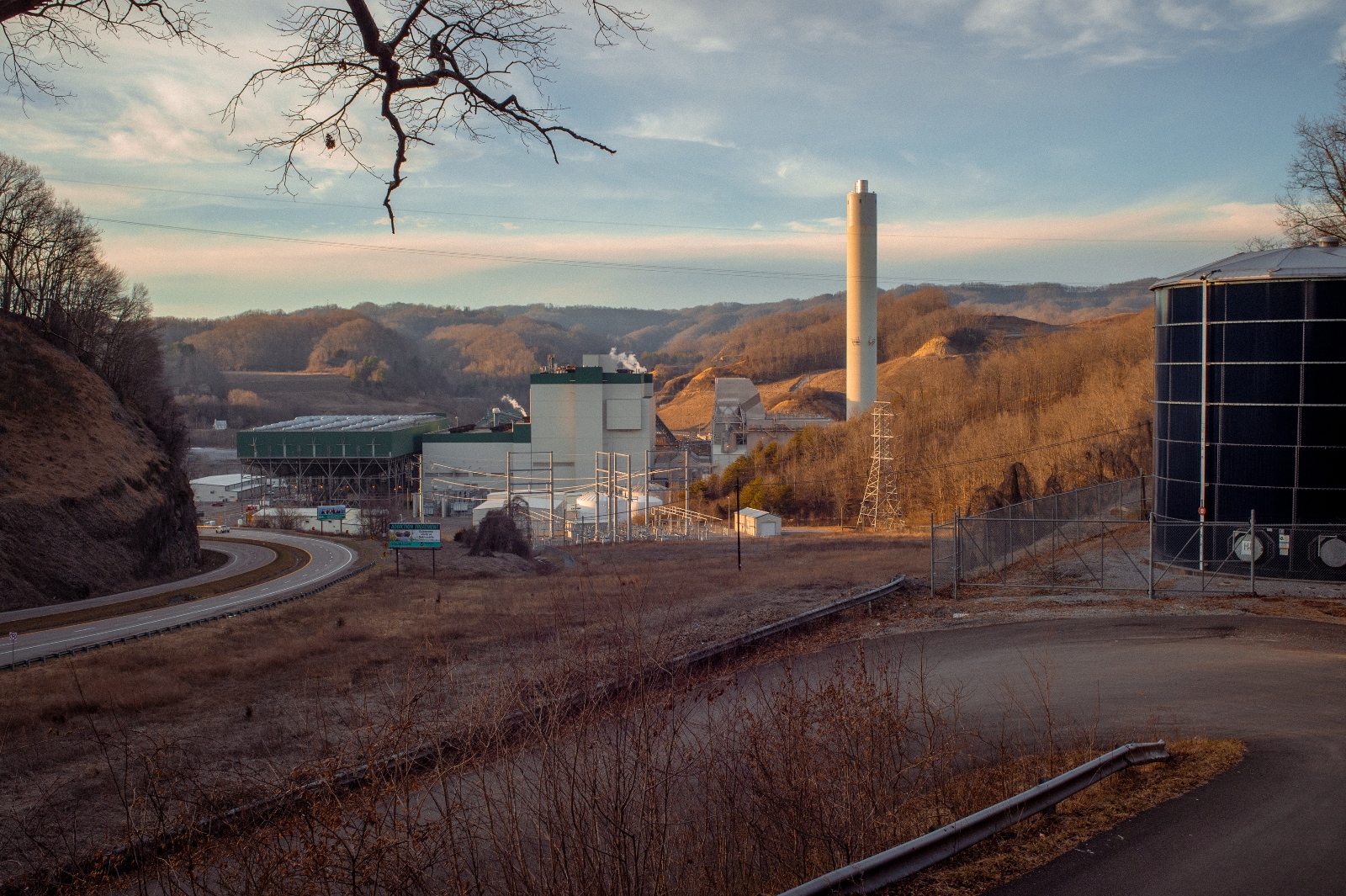
Can a carbon price lower power bills? Virginia is betting yes.
Why this matters: environmental and climate reporting with long-term consequences.
Abigail Spanberger won a landslide victory in the Virginia governor’s race last November with a platform that focused on reining in rising electricity costs. Virginia is home to the world’s largest concentration of artificial-intelligence data centers, and the state’s biggest utility is straining to meet an expected surge in power demand. Spanberger, a Democrat, promised on the campaign trail to “make Virginians’ bills more affordable.” It might seem surprising, then, that the new governor signed a bill last month that would return Virginia to the Regional Greenhouse Gas Initiative, or RGGI, a carbon pricing program that covers electrical utilities in states across the Northeast and mid-Atlantic. Spanberger’s Republican predecessor, Glenn Youngkin, pulled out of the program in 2022. “Cap-and-trade” programs like RGGI put a ceiling on the amount of planet-warming carbon dioxide that utilities are allowed to emit when they generate electricity, and they require utilities to pay for every ton of carbon they emit below that cap. These programs can help drive utilities toward cleaner fuels, but they also increase costs, and those costs get passed on to consumers. As a result, cap-and-trade programs have come under scrutiny as Democrats pivot to a focus on lowering costs for voters concerned about inflation. Democrats in California have called for relaxing the state’s cap-and-trade system this year, and New York Governor Kathy Hochul, a Democrat, has tried to punt on launching a cap-and-trade system that would apply to emissions from cars and buildings, on top of the state’s membership in RGGI. Supporters of RGGI (pronounced “reggie”) say that rather than driving bills up for Virginia households, re-entering the carbon price alliance could protect many families in the state from shouldering the costs of the data center boom. The revenues from selling pollution permits could eventually lower energy bills in many households and speed up Virginia utilities’ shift away from f