5 corruption gaps Congress must close in the Clarity Act
Key takeaways
- As written, it leaves the United States exposed to money laundering, sanctions evasion, and conflicts of interest at the highest levels of government, argues Greytak.
- Almost everyone agrees that crypto regulation is overdue.
- These are exactly the blind spots Congress needs to close: when a digital asset platform or intermediary performs financial functions, it should be subject to appropriate anti-money laundering and sanctions safeguards.
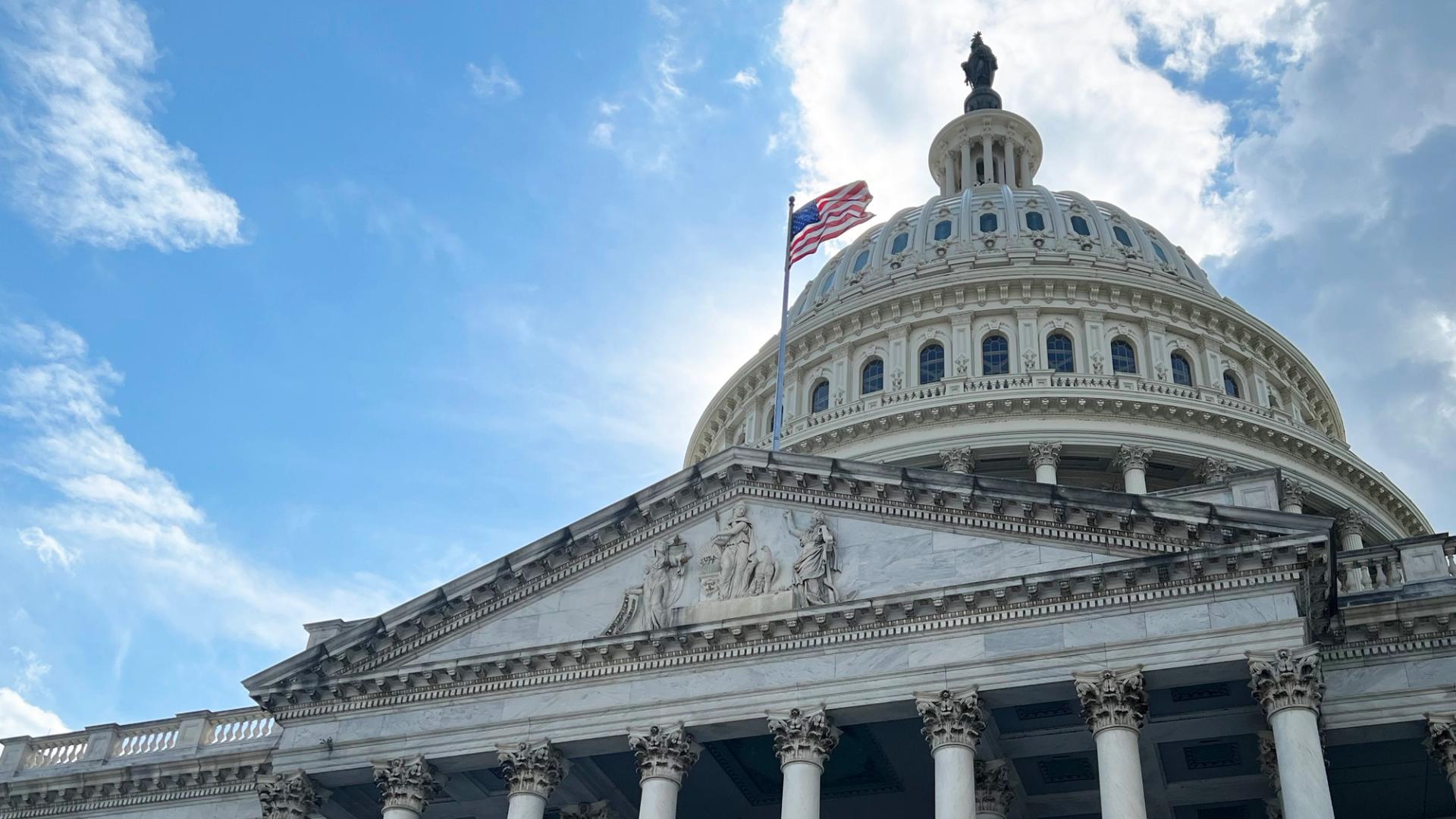
Senate. As written, it leaves the United States exposed to money laundering, sanctions evasion, and conflicts of interest at the highest levels of government, argues Greytak. By Scott Gretytak|Edited by Betsy Farber Jun 9, 2026, 3:30 p.m. 4 min read Make preferred on U.S. Capitol in Washington (Jesse Hamilton/CoinDesk)The Digital Asset Market Clarity Act, which cleared the Senate Banking Committee on May 14, will set the rules of the road for an industry that has grown faster than the laws meant to govern it.
Almost everyone agrees that crypto regulation is overdue. But as the bill moves toward a vote on the Senate floor, it contains five gaps that threaten to undermine the very structure and stability the legislation otherwise hopes to deliver.
A platform or intermediary that moves, exchanges, conceals, or otherwise facilitates the transfer of value should not be able to avoid oversight simply by calling itself “decentralized.” North Korean hackers have repeatedly exploited mixers and other virtual asset laundering infrastructure to move stolen crypto and help fund the regime’s weapons programs. Treasury has found that Tornado Cash was used to launder more than $455 million stolen by the Lazarus Group, and U.N. experts have reported that North Korea later laundered another $147.5 million through the same platform. These are exactly the blind spots Congress needs to close: when a digital asset platform or intermediary performs financial functions, it should be subject to appropriate anti-money laundering and sanctions safeguards.