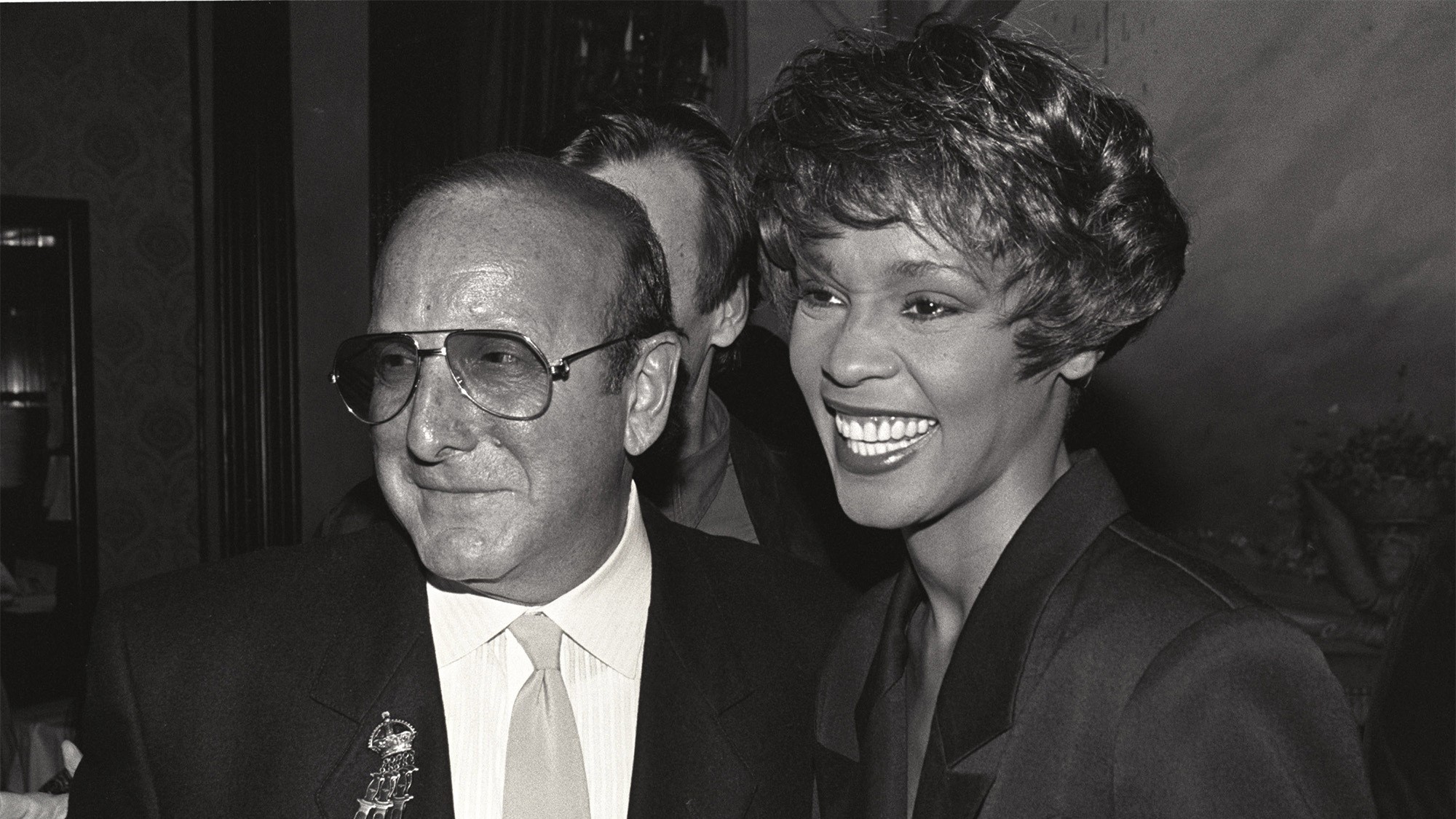
The Secrets of the Diva Whisperer
When Clive Davis sat down with Aretha Franklin in 1979 to discuss working together, Franklin already had her legacy secure: She was the undisputed Queen of Soul, whose late ’60s singles—“Respect,” “(You Make Me Feel Like) A Natural Woman,” “Chain of Fools”—would be in rotation ’til eternity. Nearing 40, she understood that the music industry had changed since her earlier blush of success. But she hungered to launch a new phase of her career. Davis, speaking later at her funeral, remembered her wondering one thing: Could she still compete?She’d gone to the right man to ask that question. Davis, the record-label executive who died this week at age 94, was one of the best competitors that music ever created. He’s credited with helping break an eye-popping array of artists, including Janis Joplin, Whitney Houston, Alicia Keys, Bruce Springsteen, Barry Manilow, Patti Smith, and the Notorious B.I.G. While some industry titans are known for a particular sound, and others for their personalities—and scandals—Davis’s approach boiled down to one thing: hits.Obituaries over the past week have emphasized the image of him as the businessman with the “golden ear.” He grew up in a Jewish enclave of Brooklyn, studied law, and then was hired at Columbia Records, where he quickly rose to become president despite previously knowing nothing about the music industry. A visit to the Monterey International Pop Festival in 1967 tipped him off to the rock-and-roll youth revolution. He signed his first act, Joplin, and then began signing more. Over time—as he launched the label Arista, then J Records, then became the head of BMG North America and RCA Music Group—he developed a reputation for just knowing whether a song was destined for success simply by listening to it.[Read: Before and after Aretha]Yet as I’ve read about Davis’s life, I’ve wondered less about his ear and more about what it took to be the boss of so many seemingly indomitable figures—people who define the word diva. He was f