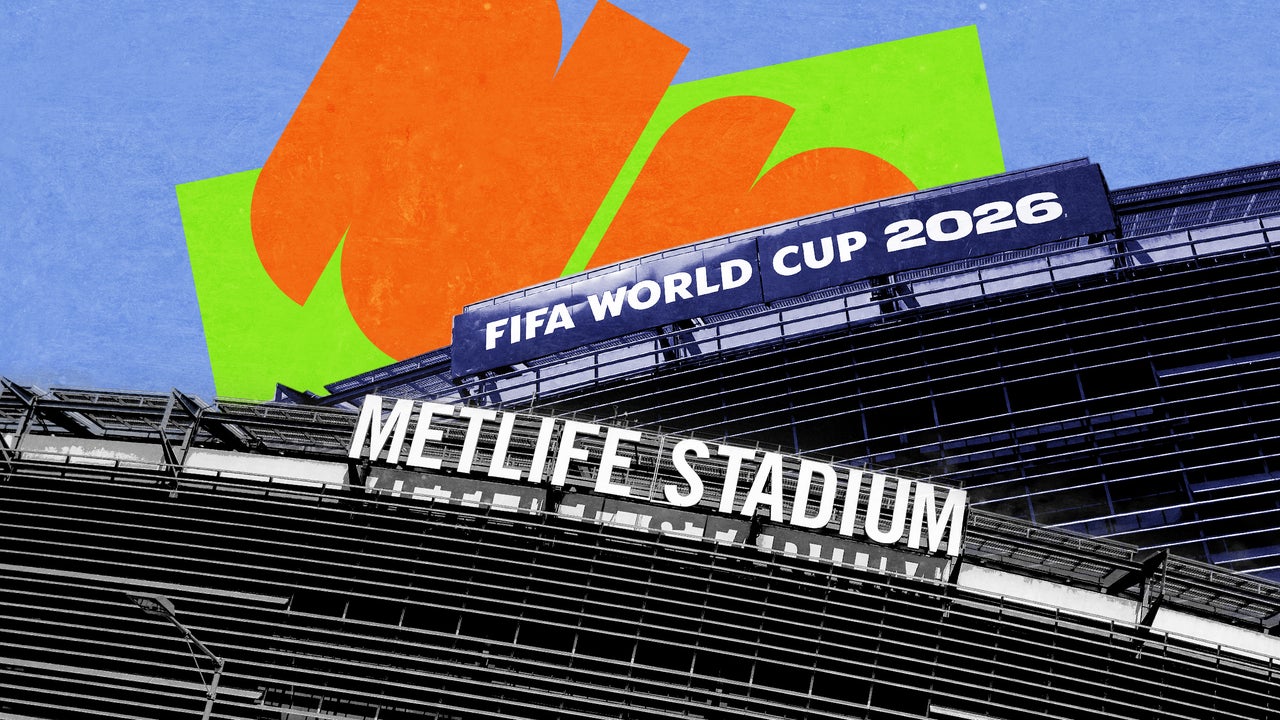
MetLife Stadium? Lumen Field? Not during the World Cup
Companies spend hundreds of millions of dollars annually for stadium naming rights, and for good reason. It’s an opportunity like none other for brands to become associated with lasting memories and big cultural moments, like games and concerts. [Photo: Michael Nagle/Bloomberg/Getty Images] Over the next several weeks for the World Cup, though, brands with naming rights to any of the 10 U.S. stadiums in the tournament have had to scrub their names from their big investments. In essence, they’ve had to de-brand. MetLife, the insurance and annuities company that usually has its name in big letters on the side of a stadium in East Rutherford, New Jersey, has been covered in a sign that says, in part, “World Cup 2026.” Earlier this month, workers were spotted stretching a tarp to hide the letters of the name of a multinational telecommunications holding company (AT&T) on the roof of a stadium in Arlington, Texas. Crews cover the AT&T branding atop the Arlington, Texas stadium’s roof, June 4, 2026. [Photo: Tom Fox/The Dallas Morning News/Getty Images] Instead of their usual monikers, host stadiums have adopted new place-based names for the duration of the World Cup (MetLife Stadium is now New York New Jersey Stadium, and it even shows up that way on Google). That’s because FIFA, the soccer tournament’s governing body, gets the right to rename host stadiums to “any non-commercial name that it deems appropriate, without any reference to the naming rights sponsor, owner or user of the Stadium,” according to a stadium agreement obtained by a newspaper owned by a certain online marketplace founder. Debranding means FIFA controls all the advertising. You want your brand in the World Cup? You better pay up. There are no free rides for big, global sporting events. For marketers, there are few things more frustrating than being forced to rebrand. Like a snowplow driver in June or a journalist on a slow news day, they’re