Spielberg Hasn’t Abandoned Hope for Humanity
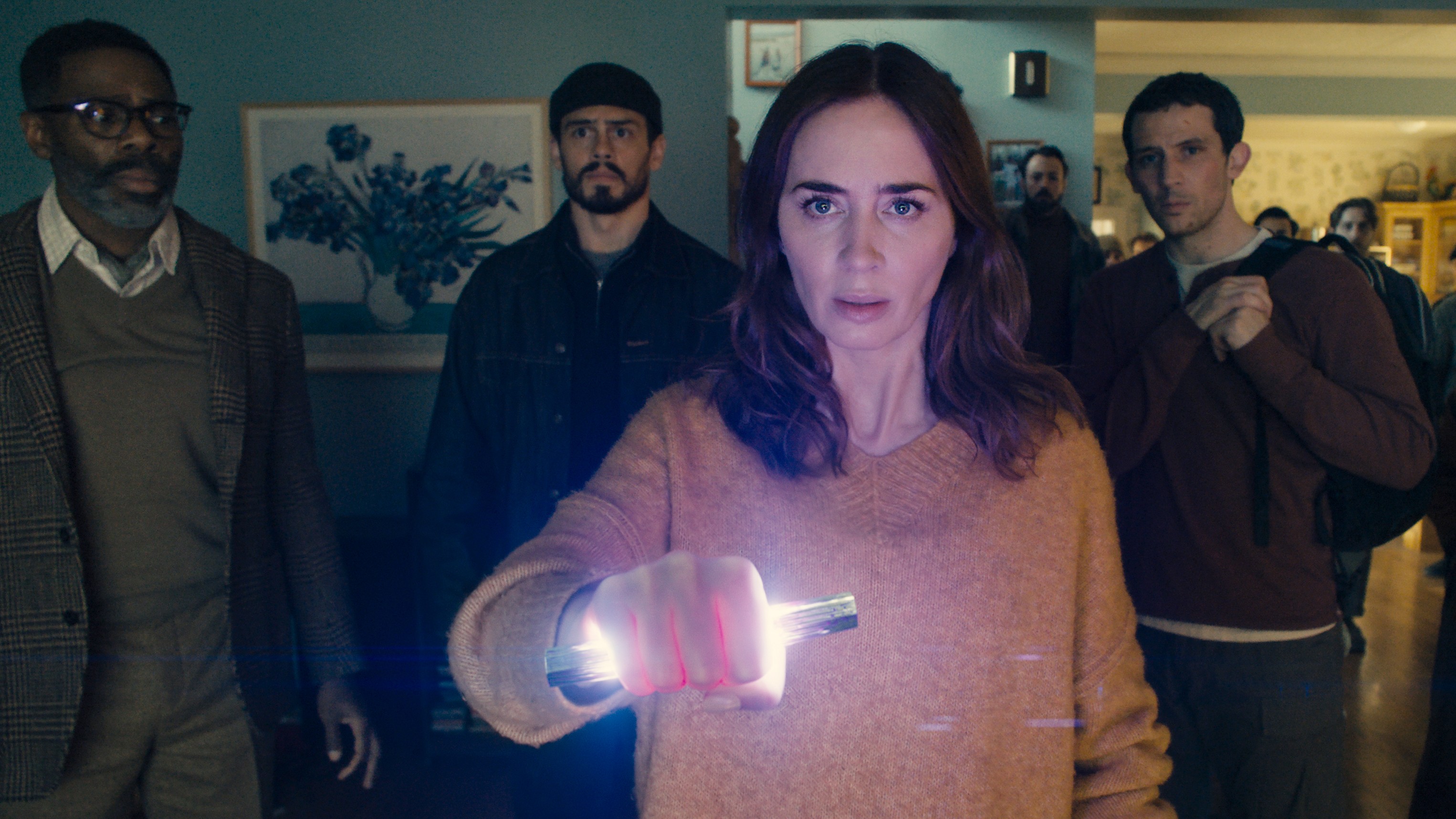
Steven Spielberg is sometimes unfairly tagged as the ultimate Boomer, repeatedly harkening back to the entertainment that spellbound him in his youth. And there was a time, far earlier in his career, when that label stuck better—when Indiana Jones, friendly aliens, mean dinosaurs, and Peter Pan himself dominated the director’s filmography. But throughout the 21st century, Spielberg has been quite loudly devoted to commenting on the times he’s living through, whether by plumbing the past (with the pointed messaging of The Post and Bridge of Spies) or the future (the frightening surveillance state of Minority Report or the frictionless dystopia of Ready Player One). Now, with Disclosure Day, his newest movie, he’s charging right at the current moment.Written by David Koepp (though the story is credited to Spielberg), Disclosure Day is Spielberg’s first film set in the ostensible present since 2005’s War of the Worlds, and it feels just as informed by recent real-life happenings as that one did. War of the Worlds was an obvious and devastating response to the carnage of 9/11, updating the classic novel to a modern-day depiction of a society coming undone in the face of an apocalyptic alien invasion. Disclosure Day also involves aliens, but it uses them conspiratorially, at the edges of the tale. The plot is more concerned with people, and specifically with a whistleblower named Daniel Kellner (played by Josh O’Connor), who’s on the run after stealing evidence that the government has concealed extraterrestrial visits to Earth.At the same time, Margaret Fairchild (Emily Blunt), a meteorologist (and an aspiring lead anchor) for a Kansas City local-news station, finds that she has developed peculiar mental abilities—including reading people’s minds. After she starts babbling in a bizarre language on air, she captures the attention of the group that’s hunting Daniel: Wardex, a shadowy Department of Defense contractor tasked with protecting the classified information Daniel