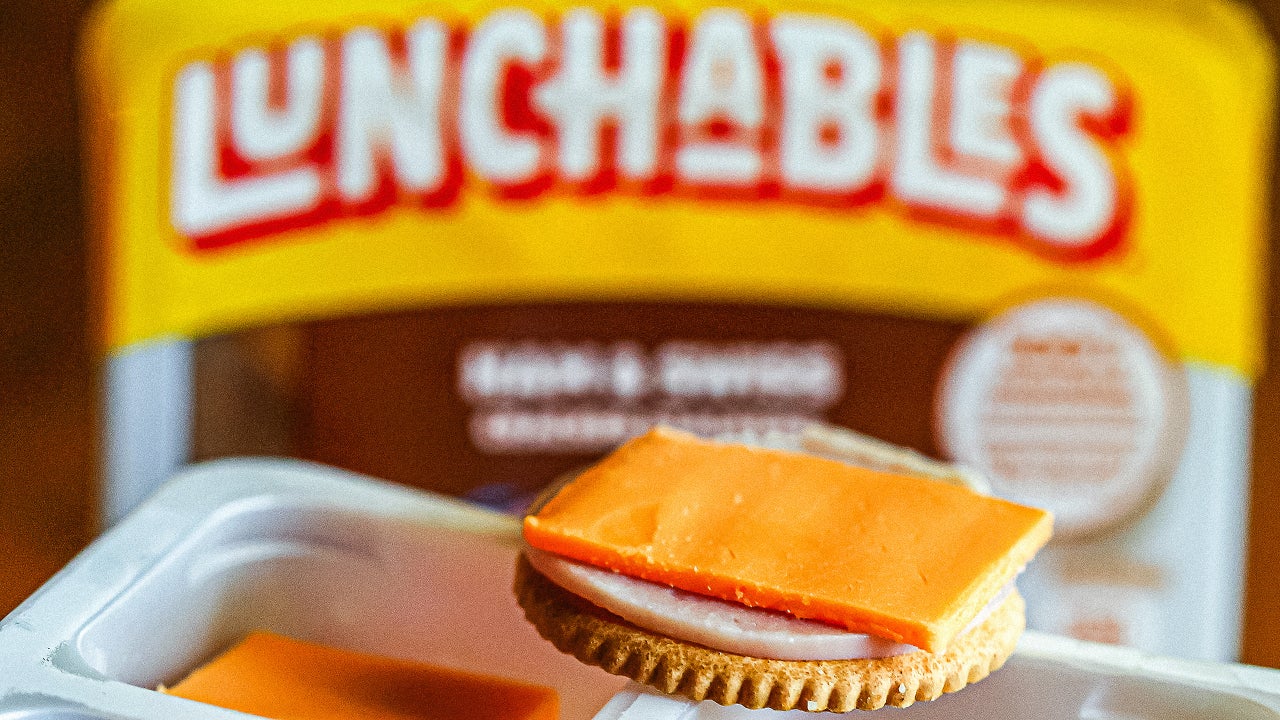
How Big Tobacco helped design Lunchables—and gave birth to the ultra-processed food industry
In the 1980s, Big Tobacco started playing a major role in America’s food industry, buying up companies like General Foods, Kraft, and Nabisco. And that role, according to a new study, included using research and development from the cigarette business to make ultra-processed foods, such as the enduringly popular Lunchables brand of snacks. Such foods, the study reveals, were engineered “for consumer pleasure and appeal” with help from cigarette-related research on flavor engineering, packaging developments, and more. The study was recently published in the American Journal of Public Health. It’s one article in an entire issue focused on ultra-processed foods, their connection to chronic diseases and addiction, and how tobacco companies essentially created “the modern ultra-processed foods industry.” Why Big Tobacco got into the food industry Laura Schmidt, a professor of medicine and health policy researcher at the University of California San Francisco, who authored the study, explored the topic by asking why Big Tobacco companies got into the food business in the first place. Tobacco giant Philip Morris, for example, bought General Foods in 1985 and acquired Kraft in 1988. (It was spun out in 2007.) This coincided with the rise of public health concerns, criticisms, and lawsuits against the tobacco industry. That expansion was more than just a way to diversify at a time when Big Tobacco’s business was facing scrutiny. “The reason they got into the food business was because they wanted to use tobacco R&D assets to make food,” Schmidt says. She outlines how through a case study of Lunchables, using internal documents made public from litigation of the tobacco industry. Lunchables were in pre-market development at General Foods when Philip Morris bought that company, and then were later released by Kraft. (The two food divisions merged in 1989.) Today, the brand is manufactured by Kraft Heinz. In a statement to Fast Company, Nicolas Amaya, president of No