Aligning with Global Standards to Transform Internal Audit
Why this matters: an international story with cross-border implications worth tracking.
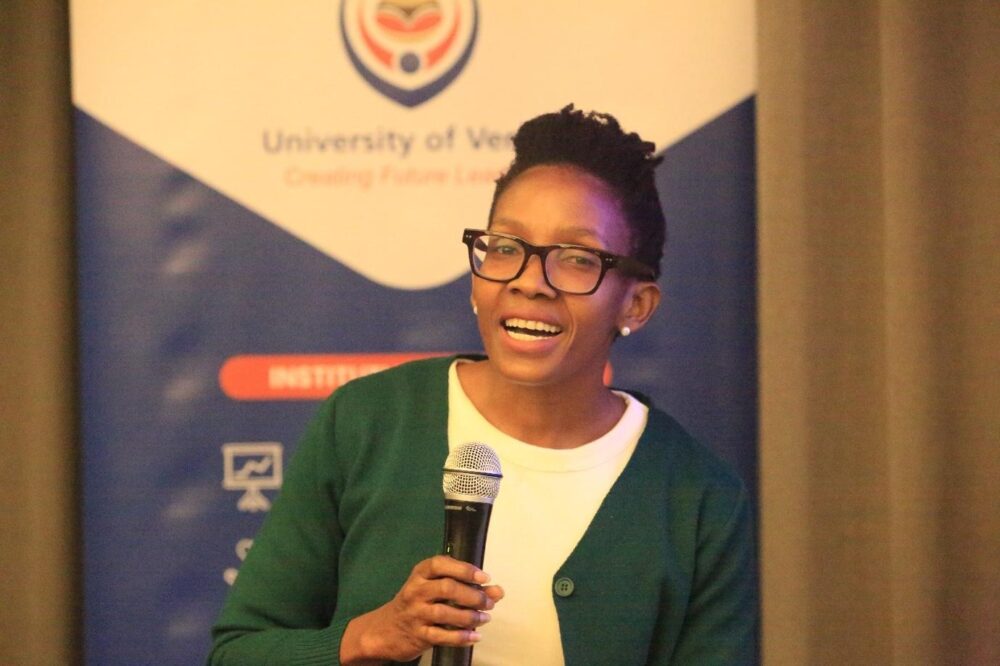
In a decisive move to strengthen governance, accountability, and institutional performance, the University of Venda (UNIVEN) convened a high-level Global Internal Audit Standards (GIAS) Workshop on 17 April 2026 at the Protea Fire and Ice Hotel in Pretoria. Bringing together members of the Audit Committee, Executive Management Committee, and Senior Management Committee, the workshop marked a critical step in aligning the University’s internal audit function with evolving global standards and best practices. The initiative was informed by a recent gap analysis, which highlighted the need to deepen stakeholders’ understanding of their roles in governance and internal auditing, and to enhance the institution’s readiness to implement the new standards effectively. Ms Zanele Nkosi, Chairperson of the Audit Committee, in her opening remarks, highlighted the transformation of internal audit into a strategic partner, essential to the university’s sustainability and value creation. She emphasised the need for a proactive, solution-driven approach that anticipates risks and external challenges while shaping the institutional environment. She noted that strengthening this role depends on collective support, collaboration, and a shared understanding among leadership and governance structures. Commending strong workshop participation, she encouraged alignment with global audit standards and active contribution to internal audit surveys to drive continuous improvement and enhance the function’s strategic impact. Facilitated by internal audit expert, Mr Marthin Grobler, the workshop unpacked the strategic importance of internal auditing as a cornerstone of good governance, emphasising its role not merely as a compliance function, but as a vital partner in enabling the University to create, protect, and sustain value. Participants engaged with critical concepts such as the Three Lines Model and combined assurance, exploring how gaps, overlaps, and blurred responsibilities can weake