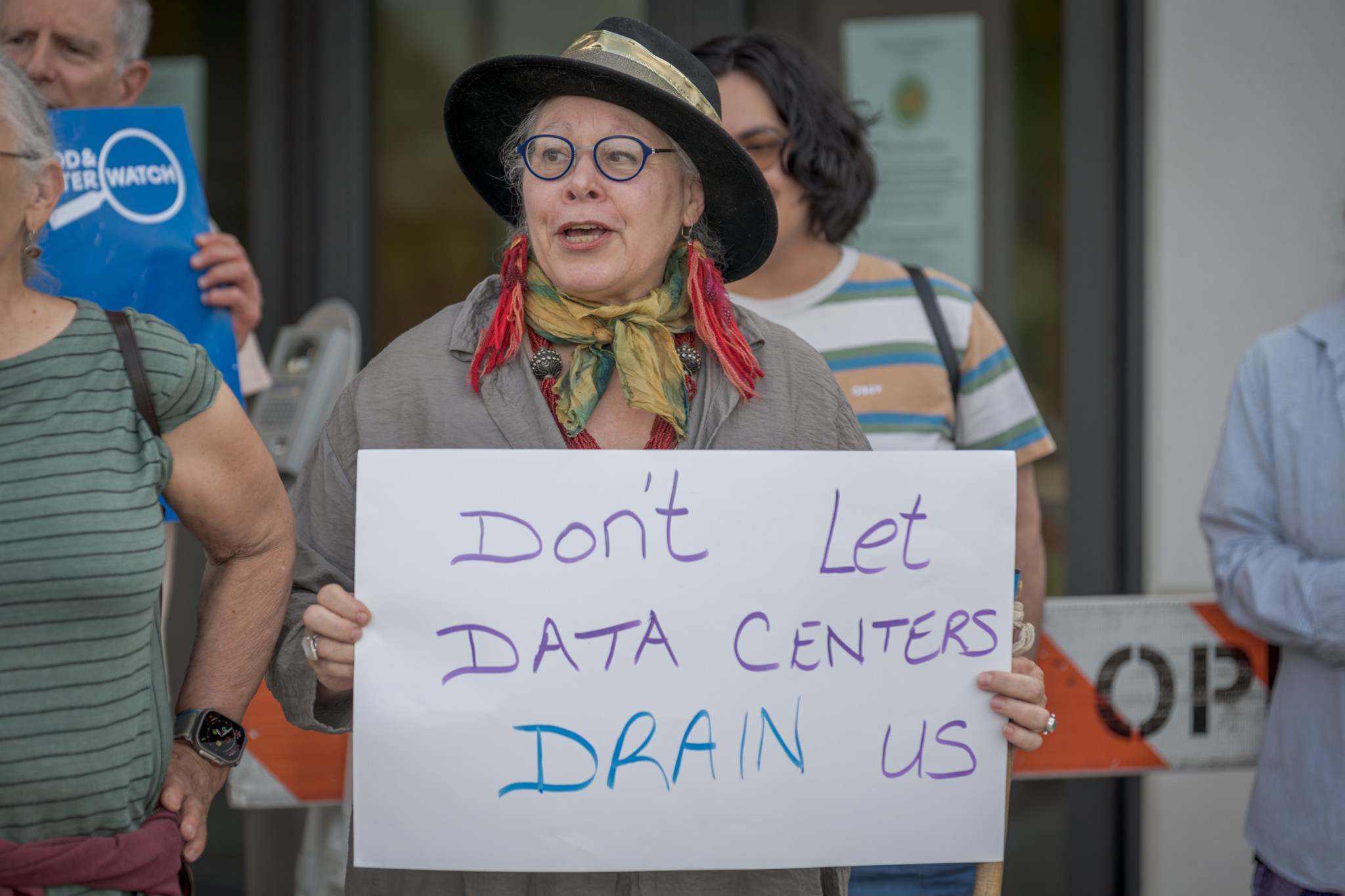
Harvard scholar: the data-center backlash is just getting started
As the race to build data centers across the United States accelerates, local governments worry that the tech industry mantra of “move fast and break things” means their communities are at risk of being broken. I’m a Harvard researcher studying the relationship between data centers and energy. I’ve closely monitored how local governments respond to proposals or even just concerns about the potential for data centers in their communities. What I’ve found is a complex story of community needs, political tensions and corporate power – all interacting with local, state and national democratic processes. Promises and potential Technology companies stay competitive by being ready to provide data and communications services even before customer demand rises. Data centers already power online communications, shopping and banking systems. Now, expanding demand for artificial intelligence has led to over 1,000 pending data center proposals across the country. Federal actions also drive development. The Trump administration has identified data center build-out as a strategic priority. The administration has promoted data center capacity as a measure of American strength and signaled that federal regulations on data centers may be eased. At the community level, technology companies claim that data centers bring jobs, economic revitalization, digital connectivity and economic growth to local communities. Not great neighbors So far, however, data centers’ benefits are overshadowed by more visible harms. Nearby residents experience higher air pollution and excess noise. Data processing also uses a lot of water to cool the buildings and their equipment. Local leaders, like these in Evanston, Wyo., are faced with questions, and potential opportunities, when data centers are proposed in their communities. Natalie Behring/Getty Images Simultaneously, electricity prices continue to outpace inflation, burdening families across the country. These trends reflect, in part, the costly infra