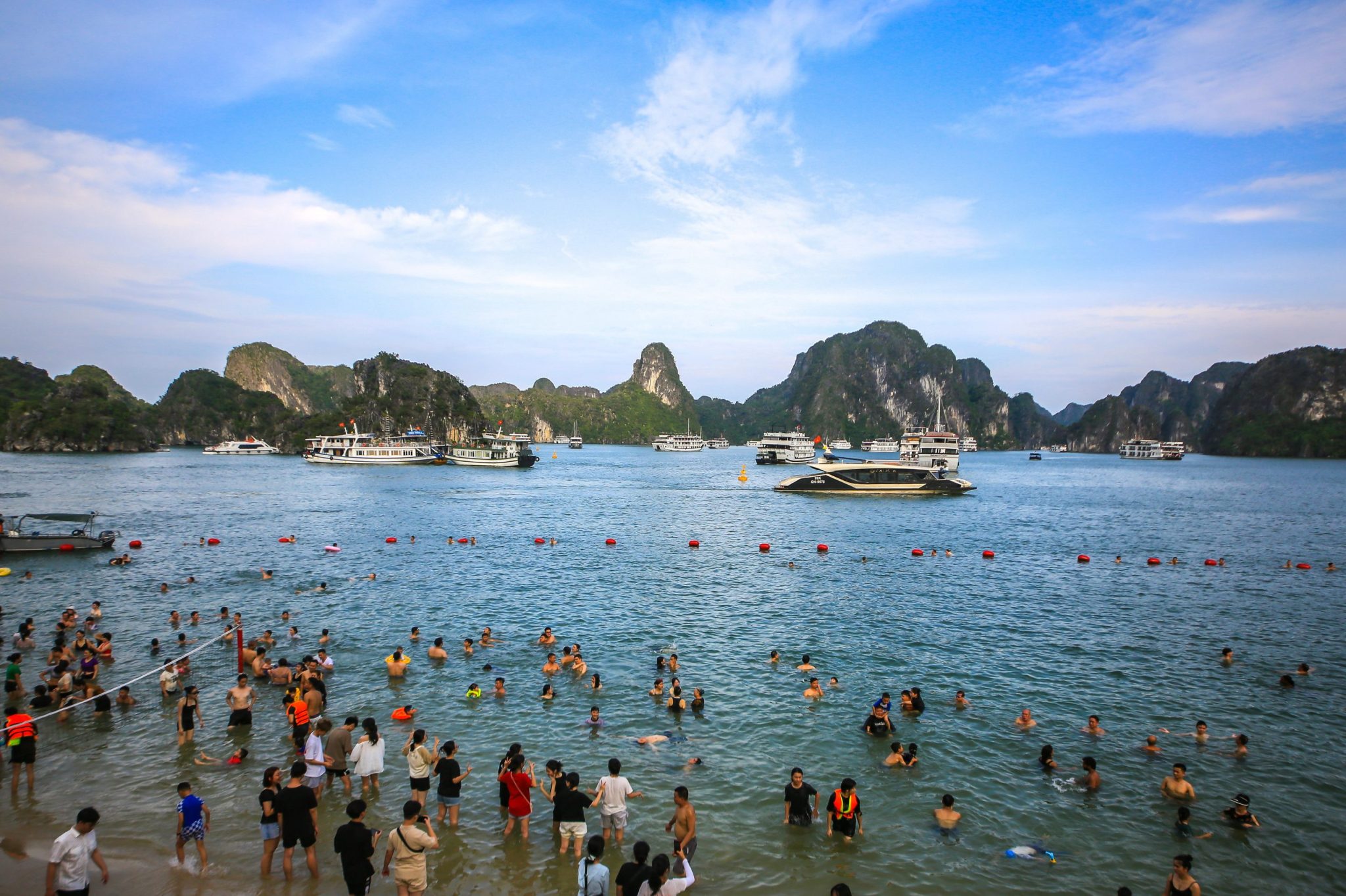
Vietnam is becoming the hottest tourist hotspot in Southeast Asia—and trying to avoid Thailand’s mistakes
Vietnam is fast becoming Southeast Asia’s hottest holiday destination. Just over 21 million people visited Vietnam in 2025, a 20% jump from the year before, according to government statistics. Last year, Vietnam surpassed Thailand as the most popular destination for Chinese tourists, drawing 5.3 million visitors, ahead of the 4.5 million headed to Thailand. The government now hopes to generate 1.1 quadrillion Vietnamese dong, or $41 billion, from tourism this year. “Vietnam’s location puts it in a prime position for tourism development, and its potential is bolstered by its cultural heritage,” Mai Van Chinh, one of the country’s deputy prime ministers, said at a tourism forum last September, praising the country’s “diverse cuisines, beautiful landscapes, and gracious people.” It’s not just the traditional hubs of Hanoi and Ho Chi Minh City that are popular. Travel to the island of Phu Quoc and the northwestern town of Sa Pa more than doubled in 2025, according to data from Klook, an Asian travel platform. “Tourists are seeking out nature-driven and culturally distinct destinations beyond the major cities,” says CS Soong, Klook’s vice president of corporate development. The conversation over Vietnam’s economic potential focuses on its manufacturing sector, exporting electronics, apparel, and other goods to markets all over the world. Yet tourism, which contributes almost 10% of GDP, shows the country can compete on the services side, too. “Vietnam is competing with Thailand and Malaysia to become the top destination in the region,” says Le Hong Hiep, a senior fellow at the ISEAS–Yusof Ishak Institute in Singapore. Though Southeast Asia is better known as a destination for backpackers seeking entertainment and lodging on the cheap, Vietnam might be ready for a different kind of traveler. “Backpackers do not spend much,” Le says. “The government is trying to attract tourists who can spend more and stay longer in the country.” That means business, luxury, and medical tr