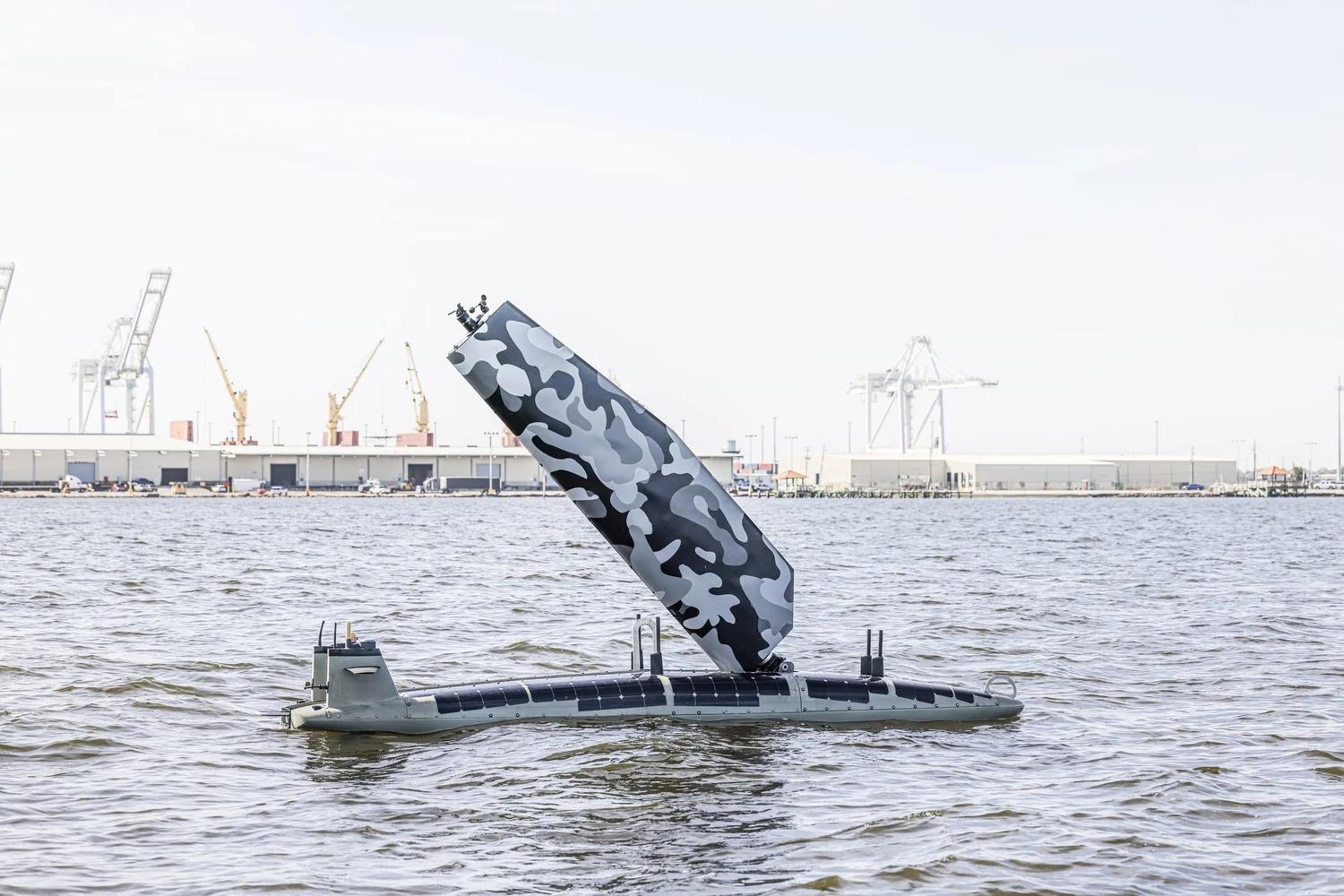
Philippines deploys US-made Triton naval drones in its western waters to scout for intruders
Why this matters: an international story with cross-border implications worth tracking.
MANILA, Philippines — The Philippine Navy is set to deploy four Triton autonomous underwater and surface drones as part of ongoing efforts to protect subsea cables and monitor incursions by Chinese vessels and maritime militia in disputed features within the West Philippine Sea.The U.S. Embassy in the Philippines announced this week the transfer of the AUSVs worth 754 million pesos ($13 million) and produced by American firm Ocean Aero to the sea forces to enhance capabilities “to detect and respond to maritime challenges and illegal maritime activities.”The transfer comes after the Armed Forces of the Philippines revealed that China discreetly deployed a 6x6 meter floating platform equipped with an antenna in late May at the southeastern portion of Scarborough Shoal, a fishing lagoon within the Philippines’ exclusive economic zone.Philippine officials claim the platform was being used to illegally gather Philippine maritime data and could serve as a prelude for China’s island-building activities. Philippine officials lodged diplomatic protests, and China removed the structure last week.Solar-powered Tritons are capable of autonomous navigation both on the surface and underwater and can support a diverse array of missions such as intelligence, surveillance, reconnaissance (ISR), anti-submarine warfare, maritime strike, and mine countermeasures.The drones can be fitted with video cameras, thermal imaging and sonars, and may be deployed from shore, vessels, or aircraft. It can dive down to 100 meters and remain underwater for 10 days. It can also conduct surface patrols for up to 30 days.In Ocean Aero’s headquarters in Gulfport, Mississippi, the AUSVs are mobilized to protect subsea cables from sabotage, and the company has pitched the AUSVs for U.S. Navy mine-clearing in the Strait of Hormuz.Officials told Defense News the AUSVs were shown to the Navy during the recent iteration of Exercise Balikatan and are among a series of systems and platforms the U.S. had planne