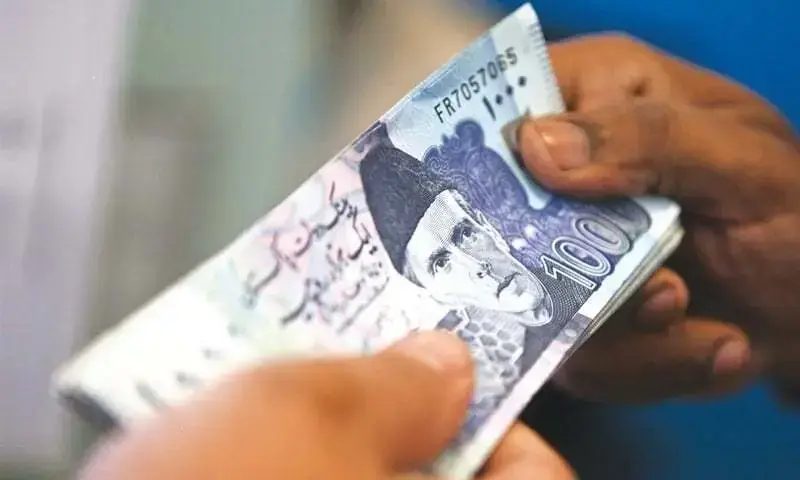
Industry leaders warn interest rate hike to hit exports, economic growth
Why this matters: local context for readers following news across Pakistan and the region.
KARACHI: Trade and industry leaders on Monday criticised the State Bank of Pakistan (SBP) for raising the interest rate by 100 basis points to 11.5 per cent, calling the move ill-timed and unfortunate. They argued that it came at a delicate stage when the country was recovering and stabilising amid the Middle East conflict. They noted that even when inflation was on the lower side, the policy rate remained elevated at 10.5pc. The industry had repeatedly urged the central bank to bring it down to single digits, in line with regional benchmarks, but these appeals were ignored. Offering a different view, Secretary General of the Overseas Investors Chambers of Commerce and Industry (OICCI), M. Abdul Aleem, told Dawn that the 100-bps hike was largely expected and necessary for the overall sustainability of the economy. OICCI backs move, cites sustainability over manufacturing strain While the OICCI is concerned about the increased financial pressure on the manufacturing and other key sectors, “we prioritise overall macroeconomic stability as the only sustainable path for the growth of the economy and for foreign investment”. “We expect accelerated structural reforms — particularly in the energy sector and in tax-base broadening — to offset these rising capital costs and protect fragile industrial growth. Overall, challenging times lie ahead,” Mr Aleem said. Federation of Pakistan Chambers of Commerce and Industry (FPCCI) President Atif Ikram Sheikh said the continued tightening of monetary policy would deal a crippling blow to the struggling industrial and export sectors, as Pakistan no longer needs contractionary, regressive monetary or fiscal policies. A high-interest-rate environment fundamentally contradicts the government’s stated goals of economic revitalisation, export growth and job creation — rendering Pakistani products uncompetitive on regional and international markets, he said. Industries simply cannot survive, let alone expand, under such an exorbitant cost