Nicholas Houghton: Engineering Crew Safety for NASA’s Artemis Missions
Why this matters: new research or scientific developments with potential real-world impact.
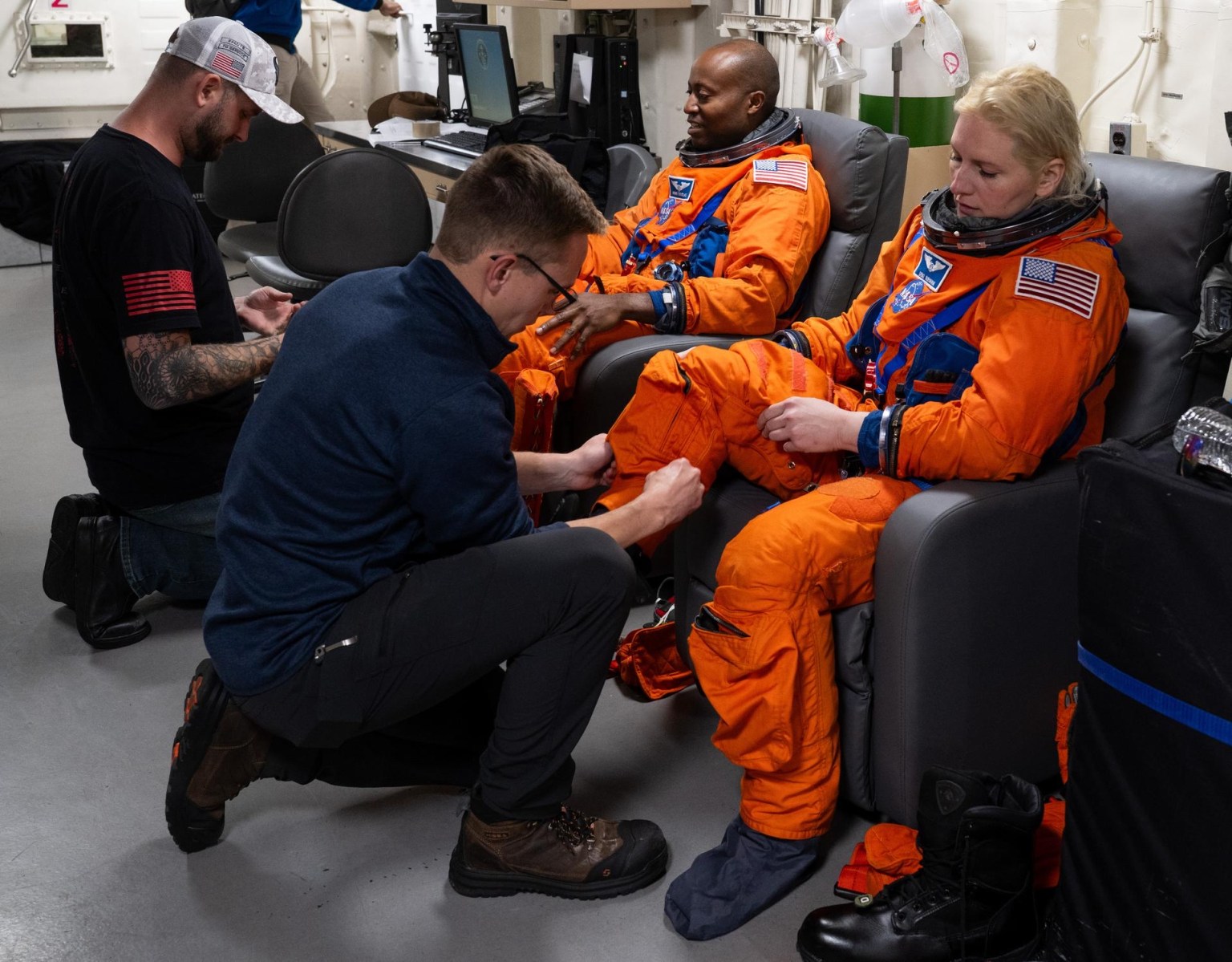
Nicholas Houghton always dreamed of working at NASA and one day becoming an astronaut. Today, he helps design systems that keep crews safe during missions aboard NASA’s Orion spacecraft, including the successful Artemis II mission around the Moon. Nicholas Houghton in NASA’s Orion Crew Survival System Spacesuit. I hope someday people look back at Artemis and marvel at the technological achievement and collective dedication that it took to carry out these missions, just like we do now for Apollo. Nicholas Houghton Orion Crew Survival Systems Engineer After joining NASA as a Pathways intern, Houghton later became a full-time engineer on the Orion Crew Survival Systems (OCSS) team at NASA’s Johnson Space Center in Houston. The OCSS team designs and certifies the orange pressure suits that were worn by astronauts inside Orion during Artemis II, along with the survival hardware integrated into each suit system. Houghton manages key pieces of flight hardware that keep crew members safe during contingency scenarios before launch, in flight, and after landing, including the Orion Crew Survival Kits, Suit-Worn Survival Suite, and Life Preserver Units. He guides each system from design through testing and final certification to ensure it performs as required in flight. Nicholas Houghton, left, and two other suited subjects participate in Human Vacuum Chamber Testing at NASA’s Johnson Space Center to help certify Orion’s environmental control and life support system (ECLSS) for Artemis II. The test lasts about 12 hours while fully suited. Like many complex engineering efforts at NASA, the work relies on close collaboration across disciplines. Houghton works alongside experts in electromagnetic interference, radiation