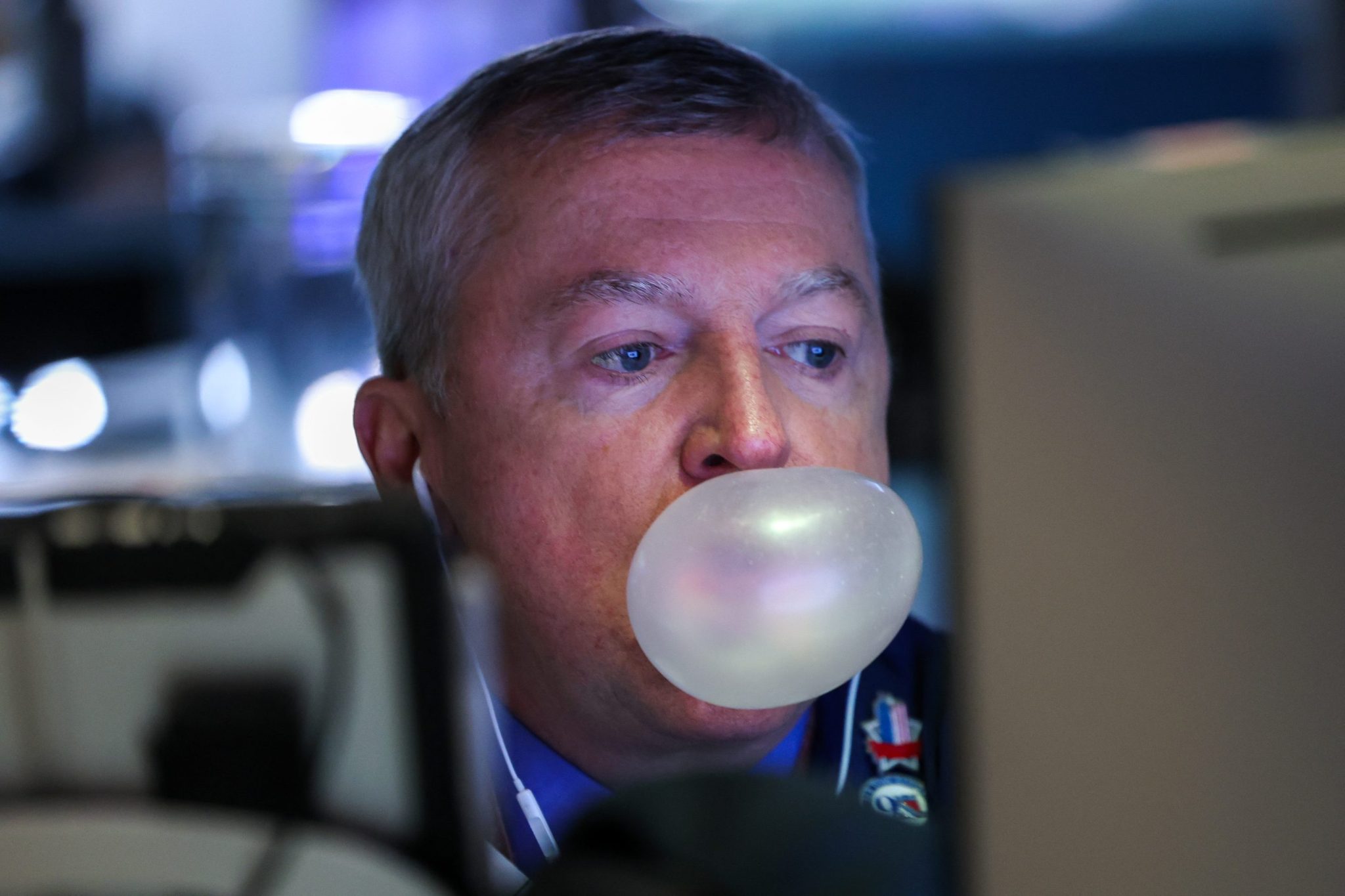
‘Yet another way in which 2026 is looking like 1999’: Top analyst fears bubble popping with investors and Wall Street out over their skis
The Nasdaq’s sudden lurch lower on Friday looked like a crack in a story that had seemed, until recently, almost bulletproof—the story that artificial intelligence is not merely a useful tool but a civilizational force, the kind of technological leap that justifies paying 1999 prices for 1999-style dreams. Tech stocks led the worst market sell‑off since October, with AI‑linked megacaps shedding hundreds of billions of dollars in value in a single session. One catalyst was a stronger‑than‑expected jobs report, rekindling fears of Federal Reserve rate hikes and spooking President Trump himself. Broadcom’s recent weak guidance was another as the same chipmakers and cloud giants that had powered a year‑long melt‑up—Nvidia and the hyperscalers—turned into the day’s biggest losers, with traders questioning whether the AI boom can keep justifying tech‑bubble valuation multiples without the promise of imminent rate cuts. But a handful of analysts and investors, along with JPMorgan CEO Jamie Dimon and Bridgewater Associates founder Ray Dalio, had been warning in the days and weeks before the screens turned red that something was looking off to them. ‘Yet another way in which 2026 is looking like 1999’ On June 3, two days before the market sell-off, Acadian Asset Management senior portfolio manager Owen Lamont posted on his Owenomics blog under the headline “A pessimistic take on optimistic growth forecasts.” He argued that the clearest sign of a bubble wasn’t necessarily price action, but the surge in the earnings expectations that justify it. He showed his math, too. Since 1985, he calculated, analysts have on average predicted about 13% annual earnings growth for S&P 500 companies, while the realized figure has been closer to 7%. Drawing on research by Pedro Bordalo, Nicola Gennaioli, Rafael La Porta, and Andrei Shleifer, he said that good earnings growth in the present induces “irrational exuberance” among investors, who can’t help projecting