The National Debt Is Raising Borrowing Costs for Everyone
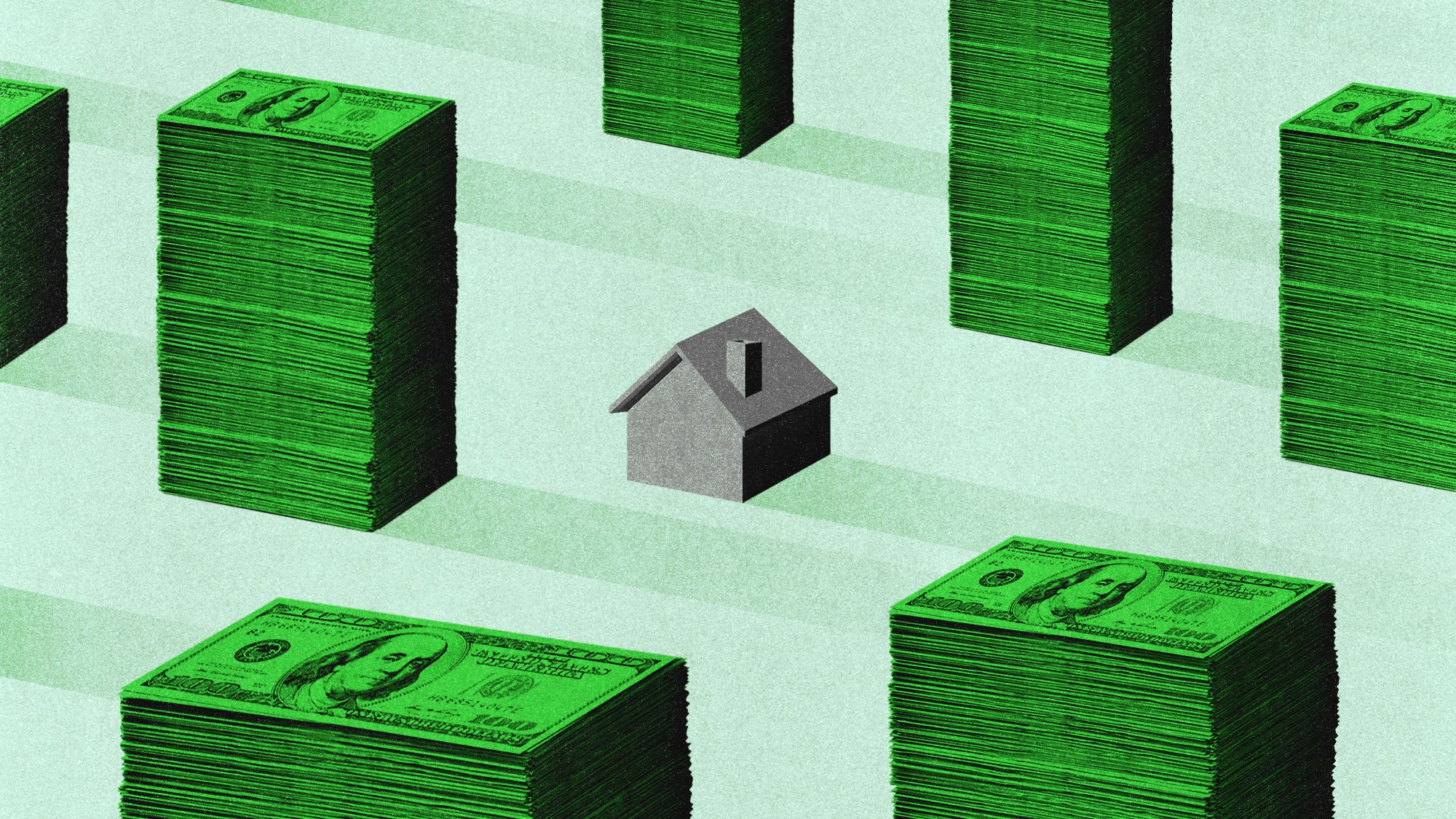
Fiscal hawks like to drum up interest in the national debt by making the astronomical numbers more tangible. The United States owes $31.6 trillion to public creditors, more than $290,000 for each household. You could spend $1 million every day for almost 86,000 years before having to borrow more. But no one really cares. Talking about how many times all of the dollars laid end to end would go to the moon and back (6,000, as it happens) is just not going to get people to think differently about the national debt.What should matter is that the consequences of this debt are not off in the future, but already here. The government’s deficits have saddled many American families with higher costs, largely from rising interest rates. The Budget Lab, the policy research center at Yale where I am the executive director, recently estimated that congressional-spending decisions since 2015 have raised Treasury yields by almost a full percentage point, which affects what American households pay to borrow. For someone taking out a 30-year mortgage at last year’s median home price, this rise in long-term interest rates has increased their borrowing costs by about $2,500 a year, or roughly $76,000 over the life of the loan. (The Budget Lab has built a tool to help users calculate their own extra mortgage costs.)The problem is not just for Americans who are lucky enough to buy a home. The bloated government budgets and waning federal revenues of the past decade are driving up costs across the board. Compared with a world in which these fiscal-policy changes did not take place, the annual borrowing costs on a typical auto loan are now up by about $120, and by about $770 on a typical small-business loan. Credit-card borrowing rates are also hovering near record highs.Although affordability has become a watchword for politicians who understand that rising prices are hurting American families, lawmakers seem to have forgotten that reducing federal deficits would help bring down prices. I