Meet a British businessman who doesn’t regret his Brexit vote. He says rejoining the EU would be ‘re-boarding the Titanic’ while giving up life vests
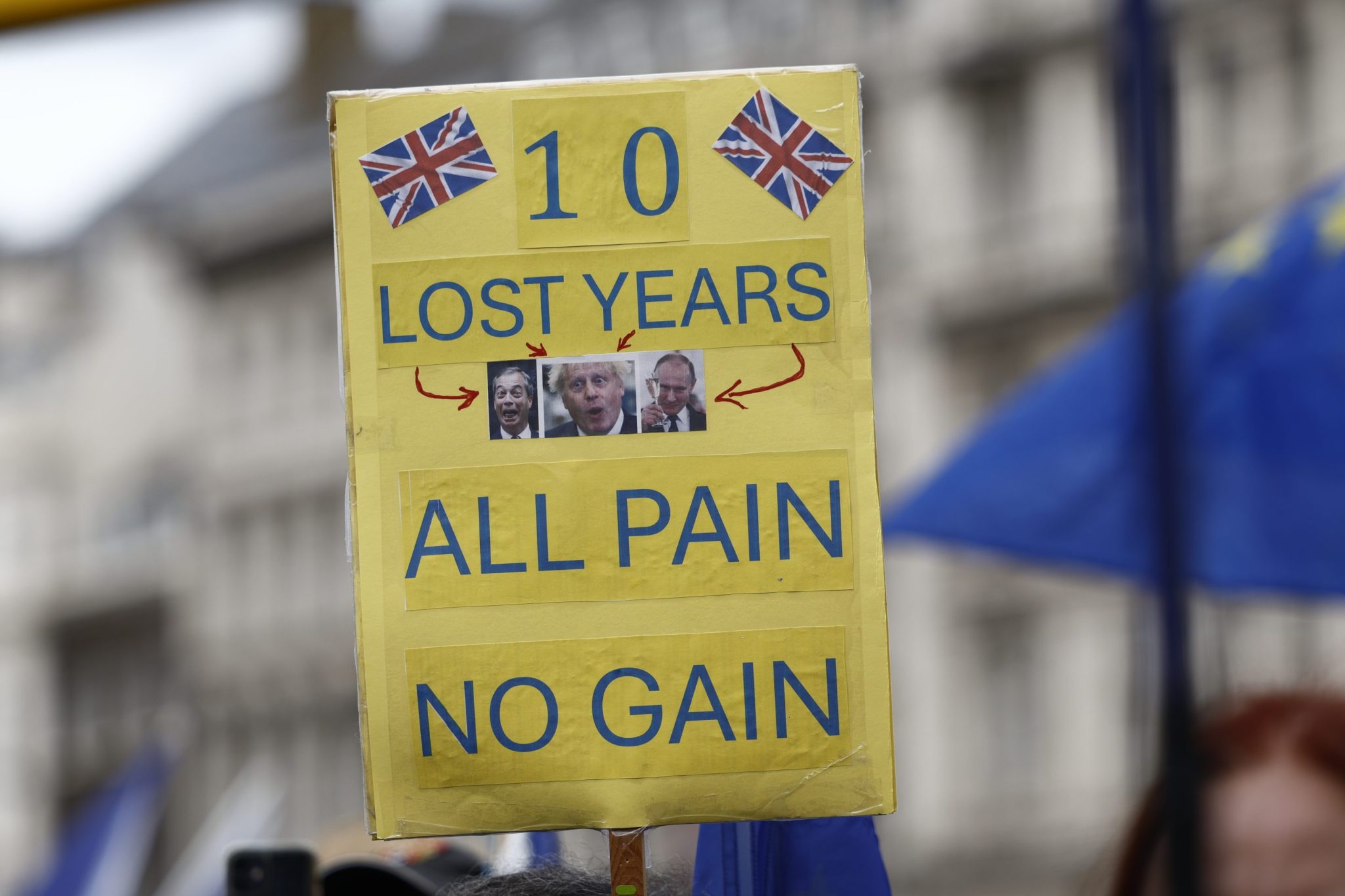
Simon Boyd’s firm makes prefabricated steel structures on the south coast of England and ships them to customers as far away as Ghana and Barbados. Mike Hawes represents Britain’s carmakers as the head of the Society of Motor Manufacturers and Traders. The business leaders were on different sides of the debate when Britain voted to leave the European Union in 2016. But 10 years later they are both frustrated by Brexit. A decade ago, backers promised that Brexit would be the key to a bright new future where, freed from the edicts of EU bureaucrats, Britain would regain control of its laws and its borders and the economy would boom. But the reality failed to live up to the hype as Britain struggled to adjust to life without unfettered access to the 27-nation free trade bloc and its market of 450 million people. Economic growth is anemic, taxes are high, public services are creaking and successive governments have been unable to stem the flow of migrants who wash up on the English Channel coast in inflatable boats. As a result, it’s not exactly a happy anniversary. “No, it’s not delivered everything that was said it would deliver on the tin, but it is delivering,” Boyd told The Associated Press. “It’s very sluggish. You only need to look at the statistics to see that.” Boyd, the managing director of REIDSteel, which employs about 130 people at a plant in Christchurch, England, still stands behind his decision to support Brexit, but blames lackluster results on politicians who weren’t committed to delivering. Britain has also experienced unexpected challenges over the past 10 years, from the COVID-19 pandemic to the wars in Ukraine and the Middle East, Boyd said. Economists see fundamental issues The Brexit vote quickly increased costs for businesses as they prepared for an uncertain future during years of negotiation over the U.K.’s new relationship with the EU. Then, when Britain finally left the bloc on Jan. 31, 2020, new rules governing trade in goods and serv