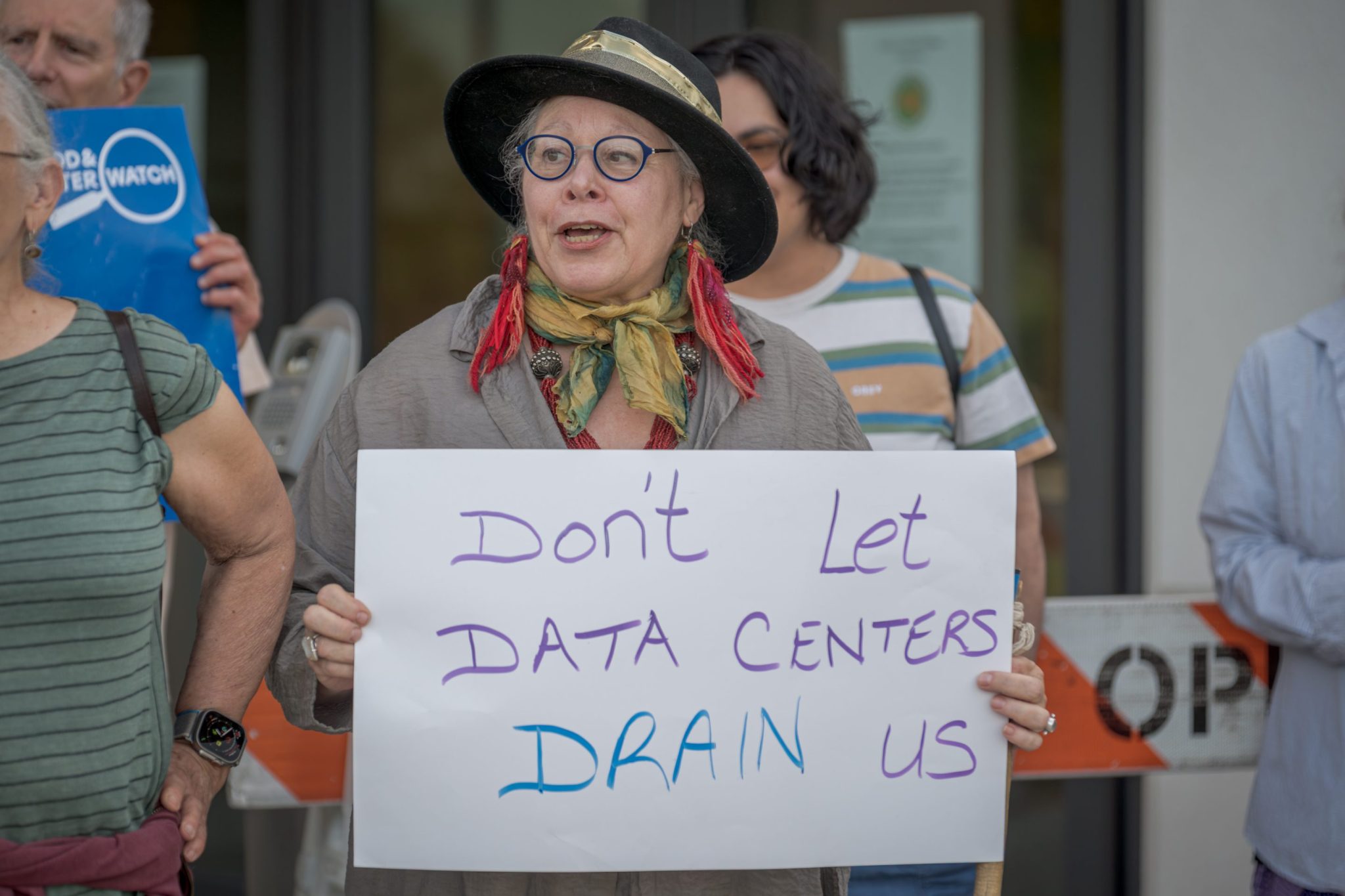
Data center hate is snowballing, and construction setbacks in the first three months of 2026 have already exceeded last year’s, report finds
Earlier this year, Natelli Investments, a large-scale development firm, withdrew its annexation and rezoning applications for a proposed data center in Wake County, NC. The campus was projected to be about 190 acres, with six buildings all about 70-feet tall. The developer cited zoning ordinance changes that pushed back the construction of the proposed 250-megawatt facility, but the scrapped plans also followed community protests, petitions, and participation in public meetings over concerns about the data center’s water use, air quality impacts, and increased costs. “When they make infrastructure improvements, who does that cost go to? It doesn’t go to the developer,” resident Lorraine McAvoy told local media last year. “It goes to the people, the consumers of the utility.” Stories about cancelled or postponed data center projects are only becoming more commonplace, and new research shows just how pervasive the opposite to AI infrastructure expansion has become. A report published this month from research firm Data Center Watch found the scale of data center opposition in the first three months of 2026 matches the scale of opposition in all of 2025. At least 75 data center projects worth more than $130 billion have been delayed or cancelled in the first three months of the year. Active opposition groups ballooned from 396 by the end of last year to 833 by the end of March 2026, spanning across 49 states. About a dozen states have introduced data center construction moratoriums, including New York, which recently passed legislation putting a one-year pause on large data center permits. Others, however, in Maine and Oklahoma, have failed. “Opposition to data centers—it’s now part of a mainstream conversation,” Miquel Vila, lead researcher at Data Center Watch, told Fortune. “It’s not anymore only the communities, not only anymore the neighbors that are being affected by a specific project. Now, this is part of the general narrative, general discourse, of