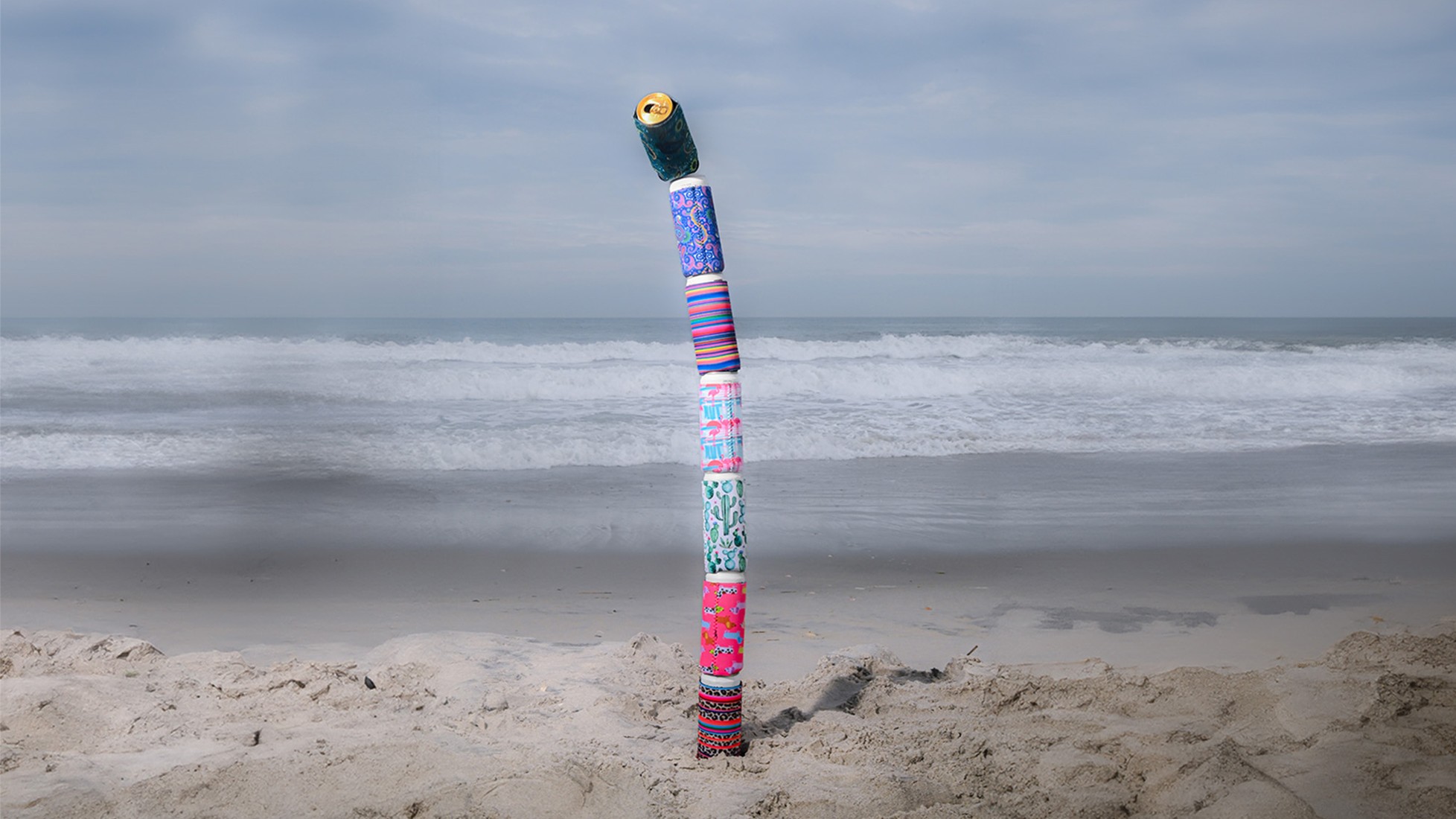
Binge Drinking Has Never Been Easier
Until recently, cocktails were a rarity at baseball stadiums. Beer was far easier to grab on the go, and getting rowdy fans liquored up was in no one’s best interest. Liquor was limited, sometimes exclusively to air-conditioned suites where cosmopolitans could be sipped far from the masses. And yet, on Memorial Day weekend, I found myself squeezed into the stands at Wrigley Field drinking a mai tai, next to a stranger drinking a margarita.My seatmate and I were having Cutwaters, a line of canned cocktails from Anheuser-Busch. The stadium’s beer stand offered canned Long Island iced teas, canned palomas, even canned espresso martinis. Alcohol companies have been trying to make the idea of portable cocktails stick for more than a century, and they have finally succeeded. In 2025, Americans consumed nearly 11 billion servings of ready-to-drink cocktails, according to IWSR, a data firm that tracks trends in the alcohol industry. Depending on your state, you can now buy Cutwaters at CVS, Walmart, and Trader Joe’s. A four-pack, which contains about six to eight shots’ worth of liquor, will run you $12 or so.The road to canned-cocktail ubiquity was paved by so-called malternatives: bubbly, fruity, portable drinks that are technically made from a component of beer but taste like nothing of the sort. Whereas early beer alternatives such as Coors Zima never really took off, products such as White Claw found mass appeal in the late 2010s and early 2020s, thanks in part to their low alcohol content; at 5 percent, they seemed like the perfect drink for an American populace that was facing down the reality that drinking is not good for your health. But the new breed of prepackaged cocktails represents a strange inversion. Cutwater, BuzzBallz, and BeatBox—three of the most popular brands—sell sweet, fruity flavors that clock in at 7 to 15 percent alcohol. (Cutwater also sells standard cocktail flavors, including Bloody Mary and “gin Collins.”) Even White Claw is getting in on the