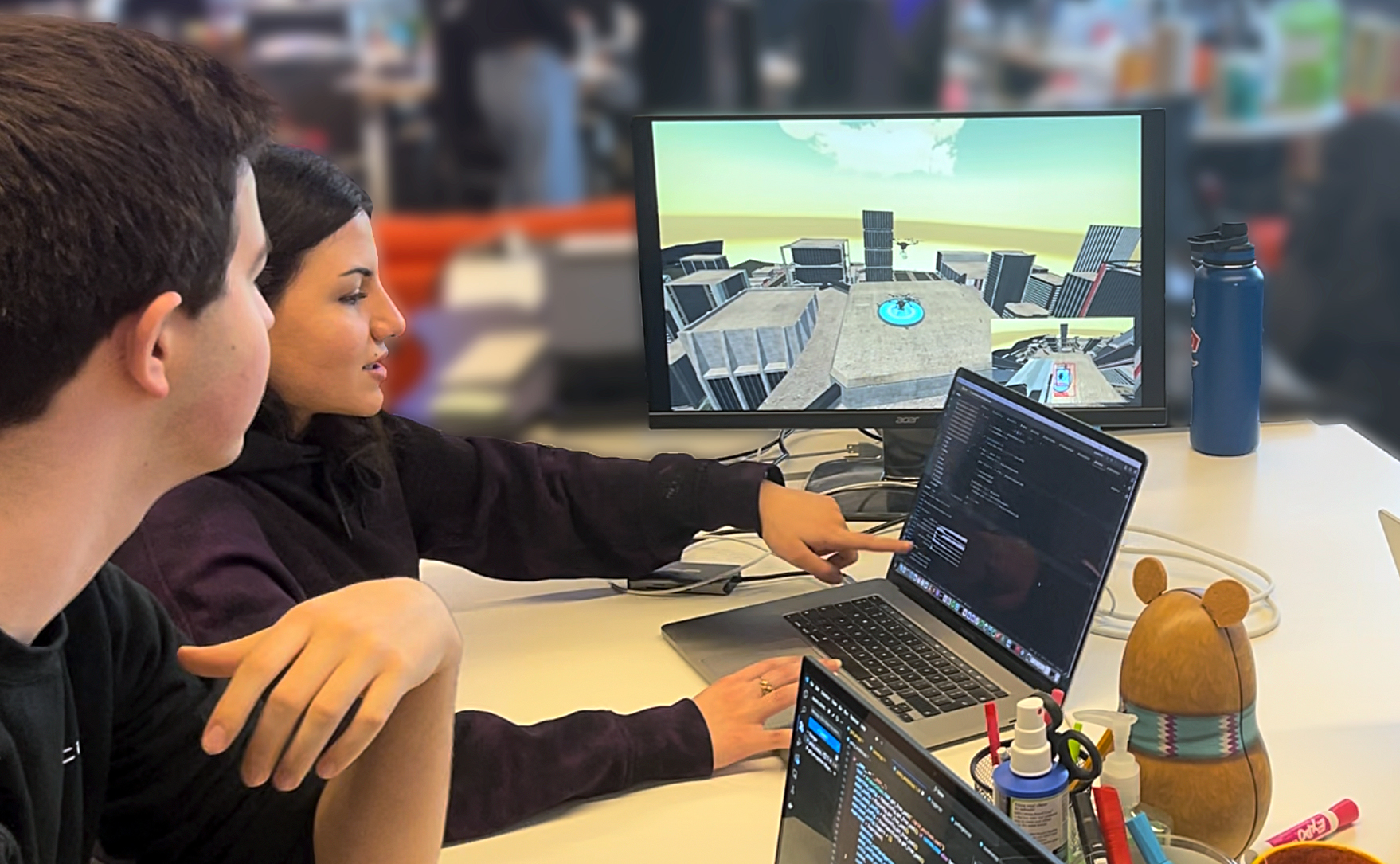
Cornell Students Aid NASA with Drone Safety in Sky
Why this matters: new research or scientific developments with potential real-world impact.
Their work is the result of a NASA grant that is part of the agency’s University Student Research Challenge.Cornell University / Mehrnaz Sabet. A team of Cornell University students are turning heads within industry and the federal government with the results of their research into creating a national air transportation management system in which thousands of drones could safely operate together. NASA is sponsoring their work through the University Student Research Challenge (USRC), which provides grants to college students interested in helping the agency realize its aeronautical research goals. “Looking at new traffic management systems for drones is not new,” said Mehrnaz Sabet, a doctoral student in the field of information science who serves as principal investigator on the grant and leads the Cornell team. “In fact, NASA has led that effort for years.” Now, through USRC, NASA is giving Sabet and her team the chance to offer up innovative approaches to drone safety by managing their movements in the air, taking advantage of their young minds and fresh ideas. The ultimate benefit of Cornell’s research in this area is the full realization of advanced air mobility, an area of industry focus that includes everything from urban flying taxis, more robust disaster response aircraft, and hot fresh pizza delivered right to your door. The work also underscores the value NASA places on maturing cutting-edge technologies and helping to develop its future workforce through initiatives like USRC. “Sabet and her team have demonstrated versatile skills involving software, algorithms, hardware, sensors development, laboratory tests, simulations, and actual flight tests – a