Hantavirus outbreak tests post-Covid health communications playbook
Why this matters: local context for readers following news across Pakistan and the region.
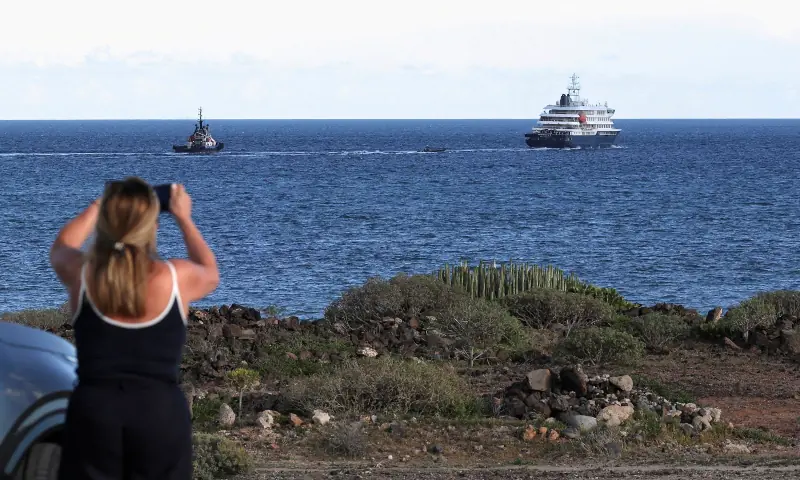
A rodent-borne virus with a scary name. A mid-ocean cruise ship in quarantine. Several people dead and more falling sick. It is no wonder that an outbreak of the Andes strain of hantavirus on a luxury liner in the Atlantic has revived some Covid-era trauma and panic online. That has presented a dilemma to health officials: how to communicate quickly and clearly about a virus which is not new and unlikely to cause a pandemic, but where knowledge gaps remain — without inadvertently fomenting fear. “Hantavirus thread incoming,” posted the health department of Illinois state in the US earlier this week about a risk-free case unrelated to the MV Hondius cruise ship outbreak. “But you have to promise to read this whole thread before panic-texting your group chat. Deal?” In interviews with Reuters, half a dozen health officials said they were trying to learn from mistakes around Covid, providing information on hantavirus with more empathy while addressing uncertainties and tackling falsehoods. “We spend half of our time discussing how we will communicate,” said Gianfranco Spiteri, emergencies lead at the EU’s European Centre for Disease Prevention and Control. During Covid, many governments were slow to react or in denial, public messaging was sometimes confusing and contradictory, restrictions and vaccine rollouts were applied differently around the world, and misinformation and politicisation proliferated. That helped fuel modern mistrust of institutions. For example, faith in public health institutions declined in 20 of 27 EU countries between 2020 and 2022, one study showed. Juggling the communications Spiteri and others at the forefront of the hantavirus response spoke about the need to balance explanations of why it is a serious global health event with reassurances that risks to the public are low, and honesty over the open questions about a virus that has rarely spread among humans before. “There are people who say we are overdoing it, and on the other extreme, tha